


Social, Behavioral Scientists Eligible to Apply for NSF S-STEM Grants
Solicitations are now being sought for the National Science Foundation’s Scholarships in Science, Technology, Engineering, and Mathematics program, and in an unheralded […]


David Canter considers whether ‘all-purpose’ police forces a no longer fit for purpose.

David Canter considers some implications of ChatGPT and what it tells us about real intelligence, general, artificial or otherwise.
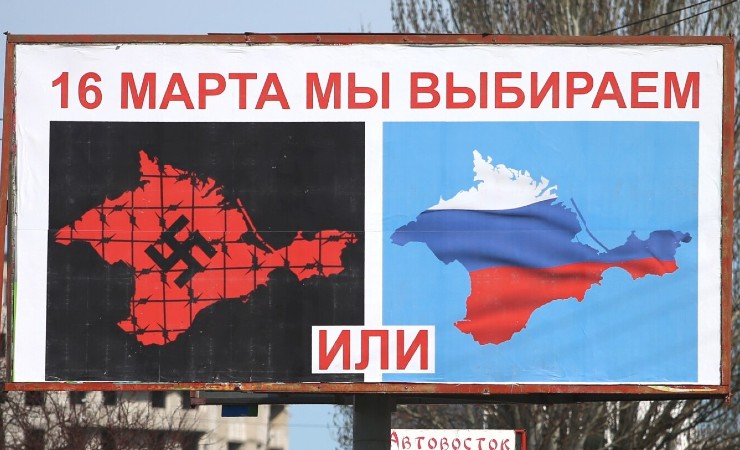
David Canter considers the strange phenomena of Russians believing Putin’s propaganda.
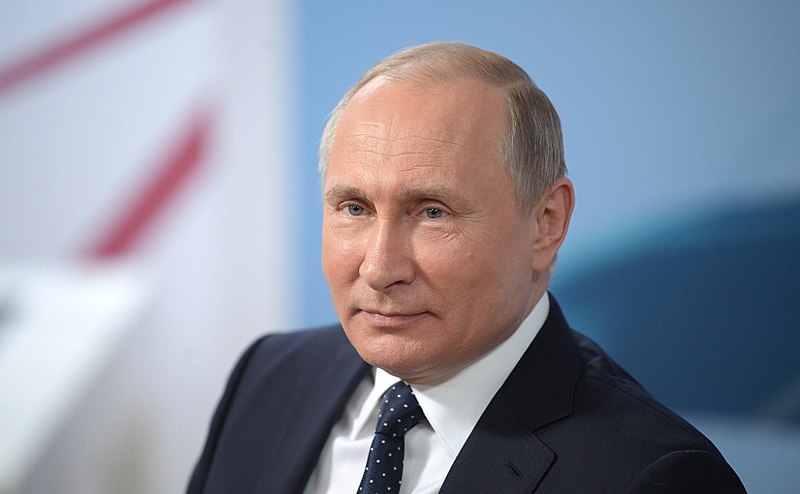
David Canter considers the sorts of psychological processes that may be shaping Vladimir Putin’s actions.
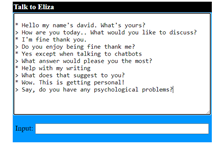
David Canter follows his concern that psychologists are losing contact with people by considering how computers are presented as replacements for human ‘intelligence’. This ignores the importance of in situ person to person contact, which has been shown by the COVID pandemic to be so crucial for people.

David Canter discusses the alienation between people that is being generated by a combination of fears of interpersonal contact and the power of the internet. Is a new world emerging in which isolated avatars replace social interaction?

My absence from these pages has been a produce of many forces. Paradoxically, pandemic-related lockdown has made access through the internet to […]
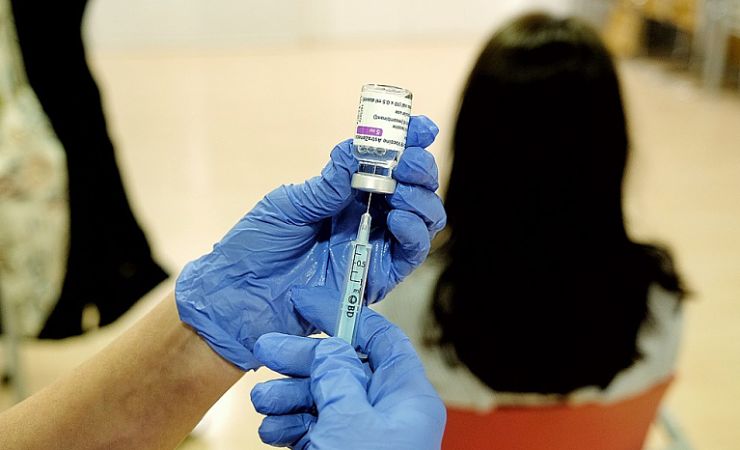
David Canter considers how it is that people judge vaccination related risks so bizarrely.
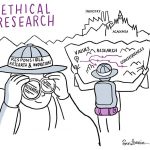
To feel able to contribute to climate action, researchers say they need to know what actions to take, how their institutions will support them and space in their workloads to do it. A longitudinal research project project covering 31 villages in rural South Africa has led to groundbreaking research in many fields, including genomics, HIV/Aids, cardiovascular conditions and stroke, cognition and aging. Drawing on the findings of a workshop on making translational research design principles the norm for European research, Gabi Lombardo, Jonathan Deer, Anne-Charlotte Fauvel, Vicky Gardner and Lan Murdock discuss the characteristics of translational research, ways of supporting cross disciplinary collaboration, and the challenges and opportunities of adopting translational principles in the social sciences and humanities. By carefully interrogating the system of economic incentives underlying innovations and how technologies are monetized in practice, we can generate a better understanding of the risks, both economic and technological, nurtured by a market’s structure. You’ve likely heard the hype around artificial intelligence, or AI, but do you find ChatGPT genuinely useful in your professional life? A free course offered by Sage Campus could change all th Euan Adie, founder of Altmetric and Overton and currently Overton’s managing director, answers questions about the outsized impact that SBS makes on policy and his work creating tools to connect the scholarly and policy worlds.
EXPLORE
Impact

Survey Suggests University Researchers Feel Powerless to Take Climate Change Action
READ MORE

Three Decades of Rural Health Research and a Bumper Crop of Insights from South Africa
READ MORE

Using Translational Research as a Model for Long-Term Impact
READ MORE
Innovation

To Better Forecast AI, We Need to Learn Where Its Money Is Pointing
READ MORE

Free Online Course Reveals The Art of ChatGPT Interactions
READ MORE

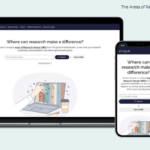
Why Social Science? Because It Makes an Outsized Impact on Policy
READ MORE