 Ethics
 Book Bans and Censorship Are a Threat to Our Universities. Librarians Can Help
When I think about book bans, I consider the subject through a variety of lenses. I have taught English in a post-communist country, Slovakia. I have also been a history teacher. For the past 19 years I have been an academic librarian, 18 of them as an administrator.
My concern over book bans is about not only the books that are being censored, but also related to government overreach. Democratic governments should not tell their citizens what they must do or think. My concerns increase dramatically when extended to universities where the concepts of having freedom of thought and freedom of expression to explore a variety of ideas is fundamental to our mission.
When governments attempt to insert themselves into our daily lives and control our thoughts and belief systems, odd perversions can occur. In Slovakia, the textbook one of my colleagues was directed to teach from was published in the mid-1980s and was filled with pro-communist propaganda. One dictation that students were directed to recite concerned May Day celebrations in the U.S. and described how millions of Americans took to the streets annually to protest lack of work, unfair pay, and a variety of other untruths. He found a different textbook to use for his classes.
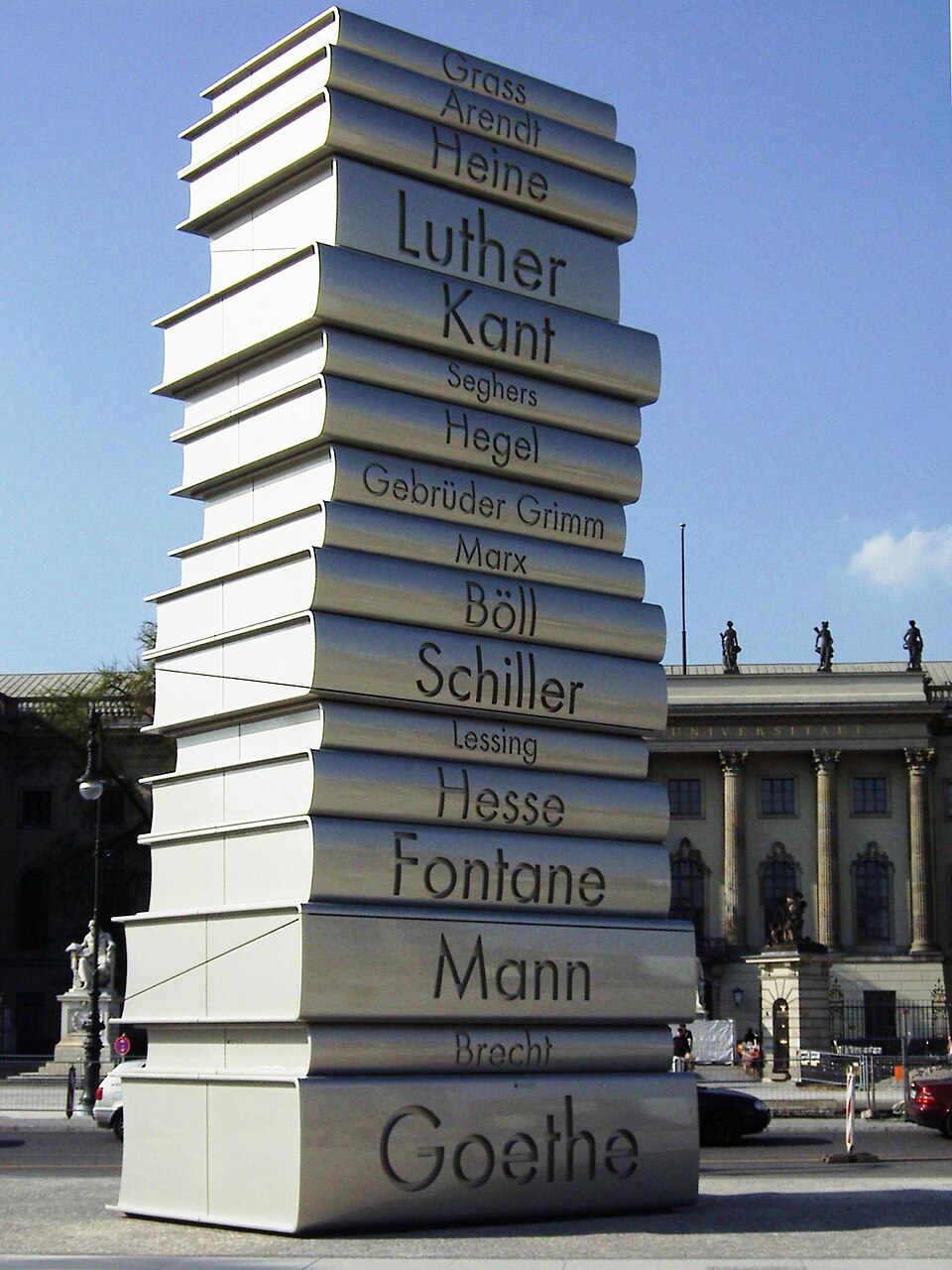
As a history teacher, I taught about the book burnings undertaken by the Nazis during the World War II era. The Nazis, of course, did not stop with just books. Modern art was viewed as degenerate and cultural organizations were frequently banned and replaced with state-sponsored Nazi associations. While visiting Germany on a fellowship, I was able to see the book burning memorial and sunken library at Bebelplatz in Berlin, which provides a visual reminder of the damage that authoritarian governments can do when they try to control the minds of their citizens.
As a librarian, I believe that the best way to deal with the current climate is through an open dialog with our campus communities. Over the past two decades my library has hosted dozens of programs on a wide variety of topics in which we hope to expose students and faculty to ideas and concepts that they might not have been particularly familiar with. It is important to me, though, that these events not be confrontational in any way. No one responds well to attempts to bully them into a different point of view.
However, if a topic is presented in a calm, rational way that shows another group’s perspective, there is a much greater chance that someone with an opposing viewpoint might develop a degree of empathy.
Librarians are truly under fire at this moment in our history. However, we also have a tremendous opportunity to be the protectors of books and the guardians of knowledge and diversity of thought. We can do this through creative programming that consistently promotes a wide variety of ideas. At my library, we host a very active Banned Books Week, with different events each day that promote the freedom to read. Librarians should engage with university administrators through various committees that they are on, as well as with the university’s government relations office. Finally, librarians, through state and national organizations such as the American Library Association, can become involved in legislative affairs through intellectual freedom committees and advocate for the concepts of freedom to read and freedom of expression to our legislators. All of these suggestions will take a thick skin, diplomatic skills, and a great deal of patience and understanding, but they are well worth pursuing.