Public Health and American Exceptionalism: Part II Raw Milk
‘Blessed are the cheesemakers’ – but not, it seems, in the US. Some years ago, I was at a conference in Madison, WI, capital of a state often known as “‘”America’s Dairyland.” Rising early with jet lag on a Saturday morning, I found myself at the farmers’ market in front of the state capitol. Among the booths a few were selling artisan cheese. They were not doing brisk business and were very happy to chat about why American cheese was generally bland and generic. Unlike UK and European supermarkets, big retailers sold very few varieties that really did not taste of very much. One of the big obstacles to better cheese, they said, was the pasteurization mandates imposed to suit Big Food. Mega-companies could produce highly standardized and engineered cheese with a long shelf life. The same regulations placed severe burdens on small producers trying to create niche products and introduce more diversity. They could make cheese that matched the best in Europe, especially with the rich dairy heritage of Wisconsin but state and federal regulation prevented them from doing so.
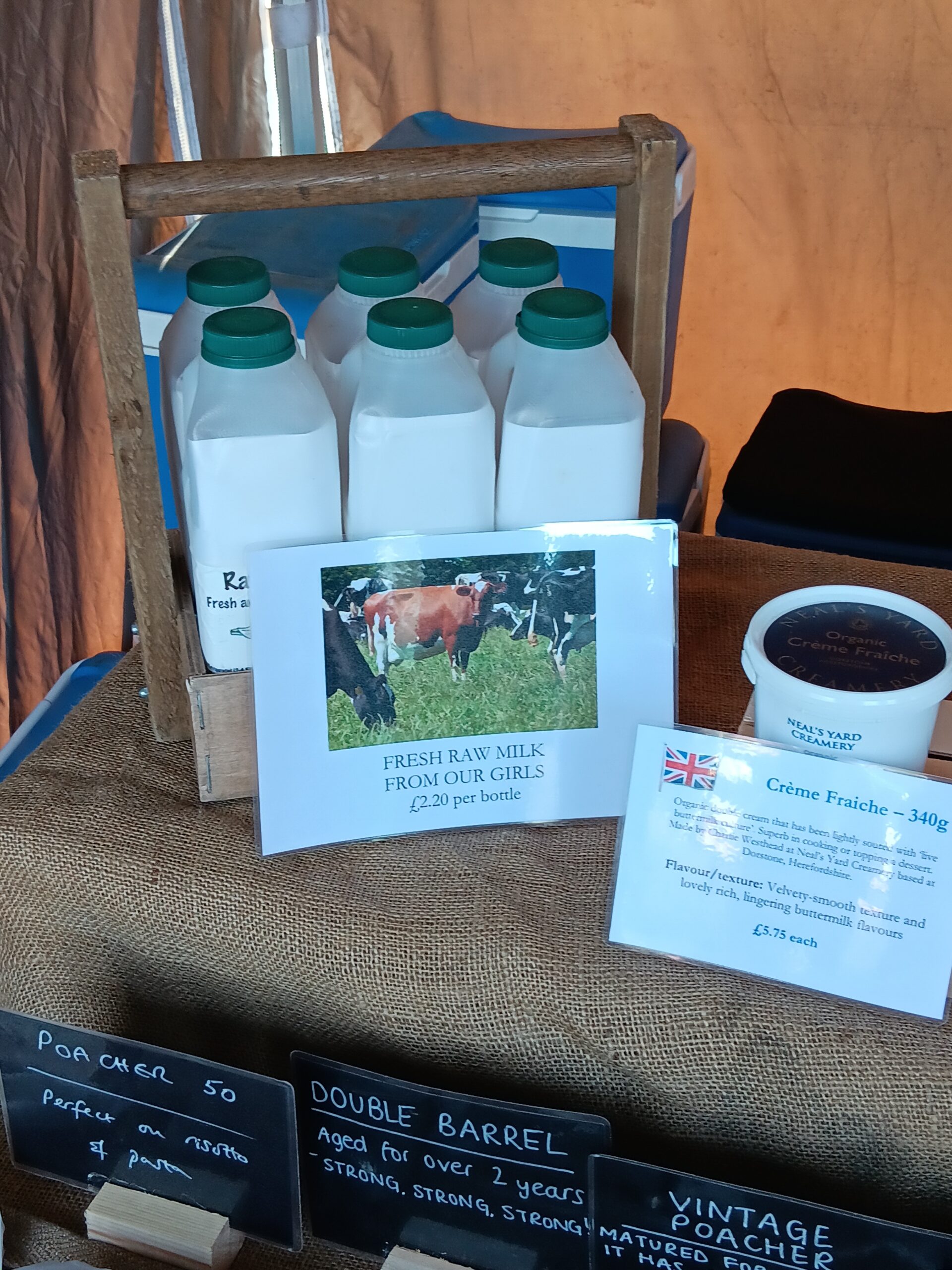
A more relaxed approach to raw, unpasteurized, milk is another topic that has provoked a great deal of noise from critics of the current DHHS regime. To read some of them, it would seem that any easing of the requirements for the pasteurization of milk entering the US food system would lead to mass infection and death. We have not noticed this in the UK or Europe. While the European Commission attempted to mandate pasteurization in the early 1990s, the scale of opposition was so great that they backed down and left the matter to member states. Most permit the sale of raw milk under regulated conditions and with appropriate health warnings for pregnant women and people who are immunosuppressed or otherwise particularly vulnerable to infection.
French and Italian opposition was particularly intense. In both countries, classic cheeses are made with raw milk because pasteurization destroys enzymes that are key to the flavour. The subsequent ageing process tends to destroy harmful bacteria by creating an acid environment in which they cannot sustain themselves. This has been reinforced by European regulations that have imposed a stricter approach to hygiene. When I first visited France in the early 1960s, unwrapped cheese was on open sale in village markets. Now it is almost invariably pre-packed or at least in a glass cabinet. My children still vividly recall visiting a, very smelly, local cheese factory in Normandy in the 1980s, where they could lean over the workers processing the materials. Planning a visit to the same factory for my grandchildren, I note that visitors are now fully screened off from the production lines – and the smells. The glazed walkways are functionally equivalent to those installed at, say, the Ben and Jerry ice-cream factory in Vermont.
On this side of the Atlantic, a different approach to risk emphasizes informing individual choice and allowing consumers to decide their own risk appetite. In practice, much cheese is actually made with pasteurized milk because of the requirements of supermarket supply chains. The factory in Normandy does this while producing a cheese with locally protected naming rights but this does not prevent other producers selling an unpasteurized version under the same name. That accounts for roughly 10 per cent of the market. Here in the UK, the famous Stilton cheese, whose production is confined to an area close to where I live, has pasteurization written into its protected definition. A local entrepreneur has, however, successfully created a raw milk version, which has to be sold under a slightly different name but which is much closer to the flavor that originally enthused travelers stopping at the Bell Inn in Stilton. This version requires a rigorous approach to hygiene and much shorter supply chains.
The US has adopted a rather different approach in remaining much less concerned with hygiene in parts of the production process and relying on pasteurization to kill off any bacteria that have been picked up by milk along the way. It is the same principle as washing chickens in chlorine at the end of the line rather than raising them under clean conditions from the start. However, it comes with a cost in flavor and diversity. It also seems to rely on state paternalism rather than individual risk assessment. As the artisans I met in Madison asked, though, was this regulation really in the interests of public health or in the desire of Big Food and Big Retail to suppress competition?
As I have stressed in these commentaries, different countries are entitled to take different positions on the balance between state intervention and individual responsibility. It is hard to see epidemics of salmonella or listeria sweeping across the US if a relaxation of regulations on pasteurization were accompanied by high standards of production hygiene and appropriate consumer warnings. This would be an alternative direction for regulation to adopt that would be consistent with other developed countries. Americans might also be intrigued to discover just what their cheesemakers could offer them in terms of taste and texture!




























































































sad