Canada’s SSHRC Names 2025 Impact Winners
One researcher studies how war affects children, another took a literal worm’s eye view to examine rural development, while two others scrutinized how wildfire evacuations play out in First Nations communities. These are among the recipients of the 2025 Impact Awards given by Canada’s Social Science and Humanities Research Council, or SSHRC.
Last month, the Honourable Mélanie Joly, minister of industry and minister responsible for Canada Economic Development for Quebec Regions, announced the winners of the council’s highest honor. The five Impact Awards – Gold Medal, Talent, Insight, Connection, and Partnership — recognize Canadian researchers and their achievements, which includes research training, knowledge mobilization and outreach activities funded partially or entirely by SSHRC.
For each award, a multidisciplinary jury of distinguished individuals from academia, the private, not-for-profit and public sectors, from Canada and abroad, evaluate nominations made by eligible institutions.
In addition to the honor, the Gold Medal winner receives CAN $100,000 for future research while other winners receive $50,000.
The winners are:

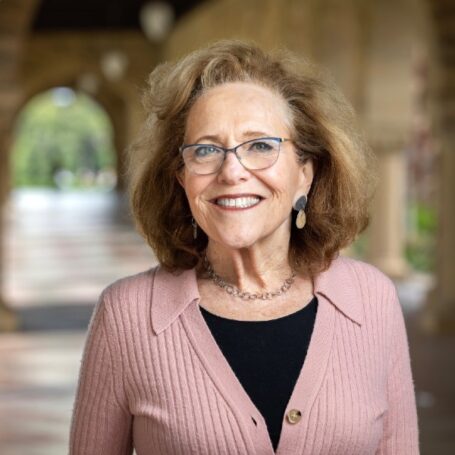
Gold Medal | Myriam Denov, who trained in criminology and now is a Tier 1 Canada Research Chair in Children, Families, and Armed Conflict at McGill University, researched the effects of war on children in Asia, Africa and the Americas for the last 25 years. Through her work, she is advancing our understanding of gender, violence, trauma, mental health and the intergenerational impacts war has on families. She has been a leading and influential voice for ensuring practitioners, governments and the United Nations better understand, respond to and prevent the gross human rights violations of children in war. The Gold Medal goes to an individual whose sustained leadership, dedication and original thinking advance knowledge and inform policies and programs internationally.
Talent Award | Joshua Steckley, a Banting postdoctoral fellow at Carleton University from Carleton University, researches environmental politics and rural development. His work explores the complex relationship between biotechnology and the labor market, exposing the ethical tensions in industries aiming to profit from engineering new life. Work that earned him the sobriquet “the worm guy” is detailed in his book, The Nightcrawlers: A Story of Worms, Cows, and Cash in the Underground Bait Industry. The Talent Award recognizes the outstanding academic achievement of a SSHRC doctoral scholarship or fellowship holder, or postdoctoral fellowship holder.
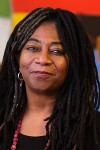
Insight Award | Kamari Maxine Clarke, a distinguished professor at the Centre for Criminology & Sociolegal Studies and the Centre for Diaspora & Transnational Studies at the University of Toronto, conducts groundbreaking ethnographic work with artificial intelligence and new geospatial tools to document violence in a range of war-torn regions in the Global South.in Africa. Her research showcases the strengths and challenges of using Big Data and digital tools in human rights law and advocacy, and has helped establish a new field—the anthropology of geospatial technologies—with interdisciplinary relevance across sociolegal studies, anthropology, international law and science and technology studies. The Insight Award honors an individual or team whose project has made significant contributions to the knowledge and understanding of people, societies and the world.

Connection Award | Tara McGee, an associate dean from the University of Alberta, and Amy Cardinal Christianson, a senior fire adviser from the Indigenous Leadership Initiative, co-lead the First Nations Wildfire Evacuation Partnership, producing accessible research and recommendations on wildfire evacuations as well as mitigation for communities and agencies. Their book, First Nations Wildfire Evacuations: A guide for communities and external agencies, provides guidance on the effects of wildfire evacuations from a community perspective, particularly important given that nearly 42 percent of wildfire evacuations affect Indigenous communities. The Connection Award recognizes initiatives that foster research knowledge exchange to generate intellectual, cultural, social, or economic impacts.

Partnership Award | Jason Edward Lewis, a professor of computation arts from Concordia University, was the primary investigator and director of the Initiative for Indigenous Futures, a partnership between scholars, creators, technologists, and policy-makers working to envision Indigenous futures and guide societal progress. The initiative was a seven-year collaboration between universities, arts institutions, community organizations and industry partners across five provinces and territories that focused teaching young people the technical skills to express themselves with cutting-edge technology. The Partnership Award recognizes a formal partnership, which, through mutual cooperation and shared intellectual leadership and resources, has demonstrated impacts and influence within or beyond the social sciences and humanities research community.