You Might Be Feeling Tired on Lockdown. Here’s Why.
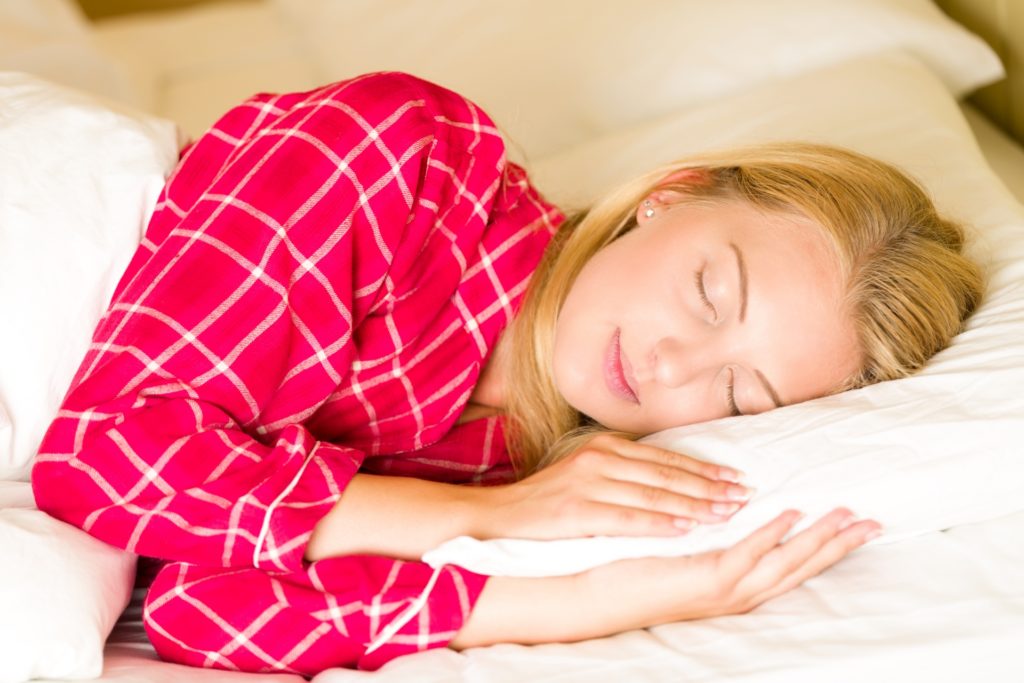
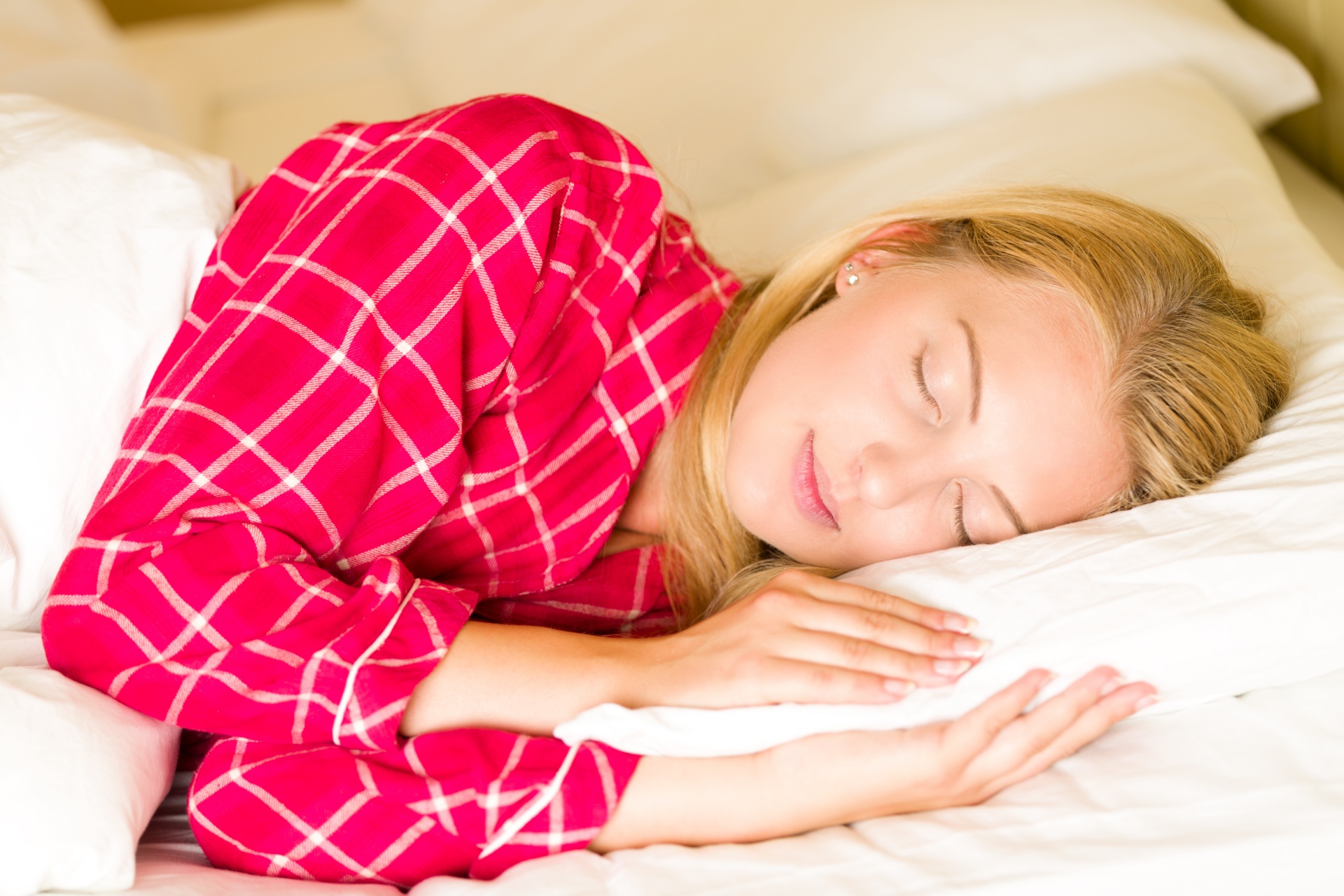
A lot of people have been posting on social media saying they have been feeling tired earlier than usual while on lockdown. Normally able to stay up into the small hours, they are hitting the pillow at 10 o’clock now. Many are wondering how this can be when we are all doing less.
The feelings of fatigue that you are experiencing are more likely to be related to the mental workload associated with COVID-19 rather than the physical burden. Fatigue can have both physical and non-physical causes. After we have completed a 5km run we deserve a rest, or after an illness we can feel run down and tired for a few weeks.
But research has also shown that tiredness can be caused by psychological states, such as stress and anxiety. In the current situation, it could even be the monotony of the situation that causes us to feel tired. Therefore, dealing with the psychological strain associated with Coronavirus could be wearing us out. So how do we go about getting our energy back?
The phases of adjustment
When we look at major changes, such as students starting university or people moving to a new country, a period of adaptation and transition is needed. This takes time and comes in phases.
The first week of adapting involves disengaging from former ways of living and working, and establishing new interactions. These are usually achieved by the fourth or fifth day, after which life begins to become more settled and predictable.
People in the first few weeks of lockdown may feel low and could be tearful. This is a normal adaptation stage. Please don’t worry too much but be reassured that this will pass for most people and next week you will feel better. Transition to a new environment can be helped by writing a reflective journal. It can be helpful to note down your thoughts and feelings. You can then review your progress and see how you adjust.
Full functional adaptation to a new way of life will happen after about three months. However, there is one period to be aware of that can occur around three weeks after the start, when a person can succumb abruptly to a bout of melancholy and a loss of morale. The worry in this case may be that the lockdown situation has now become permanent. But once this phase has passed these feelings of despondency tend not to return.
Prioritising structure
The next lesson on how to keep your energy up comes from observing people in survival situations. To avoid a drift into a state of apathy and feeling low and unmotivated, it is important to establish a clear structure to your day. Structure allows us to gain some control over our lives. It helps prevent a buildup of “empty” time that could make you very aware of confinement, and cause a growing sense of “drift”. This can make people feel withdrawn and apathetic, sleep badly and neglect their personal hygiene.
One extreme case from the survival world shows the benefits of structure when we are suddenly faced with time to fill. In 1915, when Sir Ernest Shackleton’s ship Endurance became trapped in the Antarctic ice, he imposed strict routines on his crew. He was well aware of a previous expedition ship, the RV Belgica, which had become trapped over winter in the Antarctic ice in 1898. The captain did not establish any routine and as a result the crew suffered from low morale, especially after the death of the ship’s cat, Nansen.

Wikimedia
Shackleton insisted on strict meal times and ordered everyone to gather in the officers’ mess after dinner to have an enforced period of socialisation. These scheduled activities prevented a social monotony that can occur when a small group of people are confined together for significant periods.
So although it might feel good to have the odd morning lie-in, it is better for your energy levels to set up your day with a clear structure and make time for social activities, even if they need to be undertaken online.
Another non-physical cause of fatigue is anxiety. The pandemic has made people confused and uncertain, and given some a sense of trepidation. All these feelings can lead to poor sleep quality, which in turn can make people more tired and anxious.

To break this cycle, exercise is a useful tool. Going for a walk or doing an online exercise class can make you feel physically tired but in the longer-term it will reduce feelings of fatigue as your sleep quality improves.
Planning ahead and setting goals is now both possible and necessary. Aim for a set future date for release from the lockdown but be prepared to reset that date as necessary. Being optimistic about the future and having things to look forward to can also help reduce anxiety and reduce fatigue.






























































































#/media/File:Endurance3.jpg)