House Appropriations Panel Aims to Increase NSF Budget
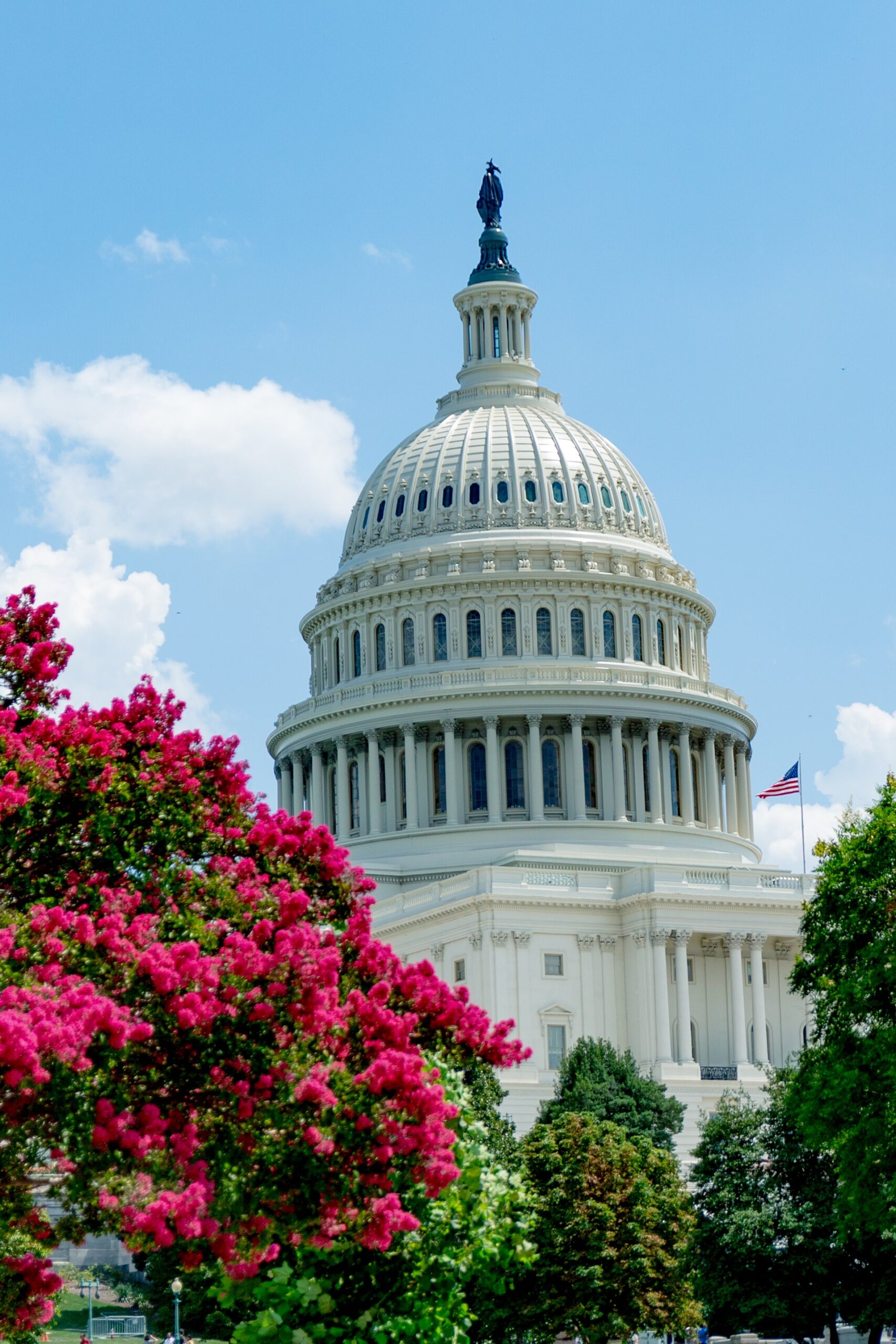
This week the Appropriations Committee of the U.S. House of Representatives approved the budget bill that includes funding for the National Science Foundation. The Commerce, Justice, Science Appropriations Act (CJS) proposes increasing funding for the NSF — which is the largest source of research funding for university social and behavioral science in the United States – by $270 million above the current year’s appropriation. This 3.3 percent increase represents a $635 million swing from the budget submitted by the White House, which called for cutting the NSF’s budget by $365 million.
In raw numbers, the House bill allocates $8.55 billion to the NSF. Some $6.97 billion of that specifically is tagged for research grants and related costs, which is in turn $230 million more than this fiscal year. The full legislation, which covers multiple arms of the federal government such as the departments of Commerce and Justice, calls for spending $71.5 billion, which is down by $1.7 billion from this year.
Also important to the social and behavioral sciences is language in a report which accompanies the bill, language which the Consortium of Social Science associations argues is a “a continued show of growing appreciation for the social and behavioral sciences within the Congress”:
The Committee supports [NSF’s Social, Behavioral and Economic Science Directorate (SBE)] and recognizes the fundamental importance of its research for advancing our understanding of human behavior and its application to a wide range of human systems, including public health, national defense and security, education and learning, and the integration of human and machine. SBE funds over half of our nation’s university-based social and behavioral science research but remains the smallest of NSF directorates. The Committee believes this research provides an evidence-based understanding of the human condition, resulting in more-informed policymaking and better informed spending on a full range of national issues. The committee believes SBE-supported research makes the US unique among other nations and recommends no less than the fiscal year 2020 levels for SBE activities.”
According to the U.S. Constitution, spending bills must originate in the House of Representatives, and those bills originate in the Appropriations Committee and must be approved by the full House. The Senate will also prepare a CJS bill and the final versions of the House and Senate bills must be reconciled before being sent to the president for signature. The White House-proposed budgets are advisory, and proposals from the Trump Administration have been taken more as theatre than serious spending plans. The CJS bill is one of 12 such omnibus funding bills that make up the entire U.S. government budget.
The Coalition of Social Science Associations, in its 13-page analysis (PDF here) of appropriations bills that impact federally funded science and data collection, writes that “the outlook for final FY 2021 spending bills is still very much up in the air as lawmakers continue to grapple with pandemic relief negotiations and as the November elections approach. In addition, the House bills—which were written by the Democrats—include several funding and policy provisions that will be non-starters for the Republican-controlled Senate.”
Another hindrance are spending caps passed in 2019, which are still in place for these ‘regular order” bills despite the huge outlays made in dealing with the coronavirus.
There are other parts of the CJS bill which impact social science directly.
- The bill allocates $1.68 billion for the Bureau of the Census, which is slightly more than the White House asked for and $1.7 billion below last year’s allocation, reflecting the hope that the decennial Census will be completed on schedule. The bill report notes this, Acknowledging the Census “has experienced unprecedented delays due to the novel coronavirus pandemic and will continue portions of its operations into the first quarter of fiscal year 2021.”
- The Bureau of Justice Statistics is allocated $45 million, an increase of $2 million, and the National Institute of Justice would receive $43.5 million. While that’s an increase of $7.5 million above FY 2020, it actually only brings the institute’s funding back to 2018 levels. Reflecting concerns raised by Black Lives Matter, the institute is given specific guidance to study excessive force and a lack of transparency in law enforcement.
- The Bureau of Economic Analysis is slated to receive $111.9 million, an increase of $3.4 million.
- The White House’s own Office of Science and Technology Policy would get $5.5 million, and is tasked with continuing efforts to opening public access to federal funded research.