
Could Distributed Peer Review Better Decide Grant Funding?
The landscape of academic grant funding is notoriously competitive and plagued by lengthy, bureaucratic processes, exacerbated by difficulties in finding willing reviewers. Distributed […]
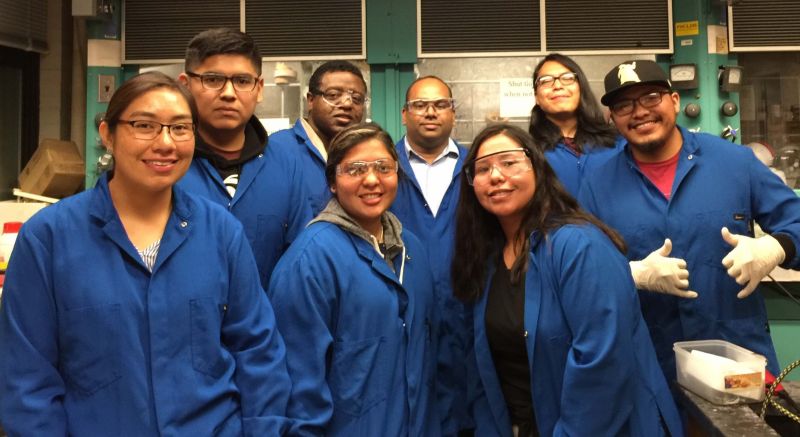
The U.S. National Science Foundation has many programs designed to support researchers at minority-serving institutions and broaden participation of outstanding researchers from across a diverse group of regions, institutions and demographic groups. Here’s some tips on accessing those options.

In an open letter, 63 Australian Research Council laureate fellows complain vigorously to the minister and to the chief executive of the ARC about a recent instance of political interference in the funding of basic research.
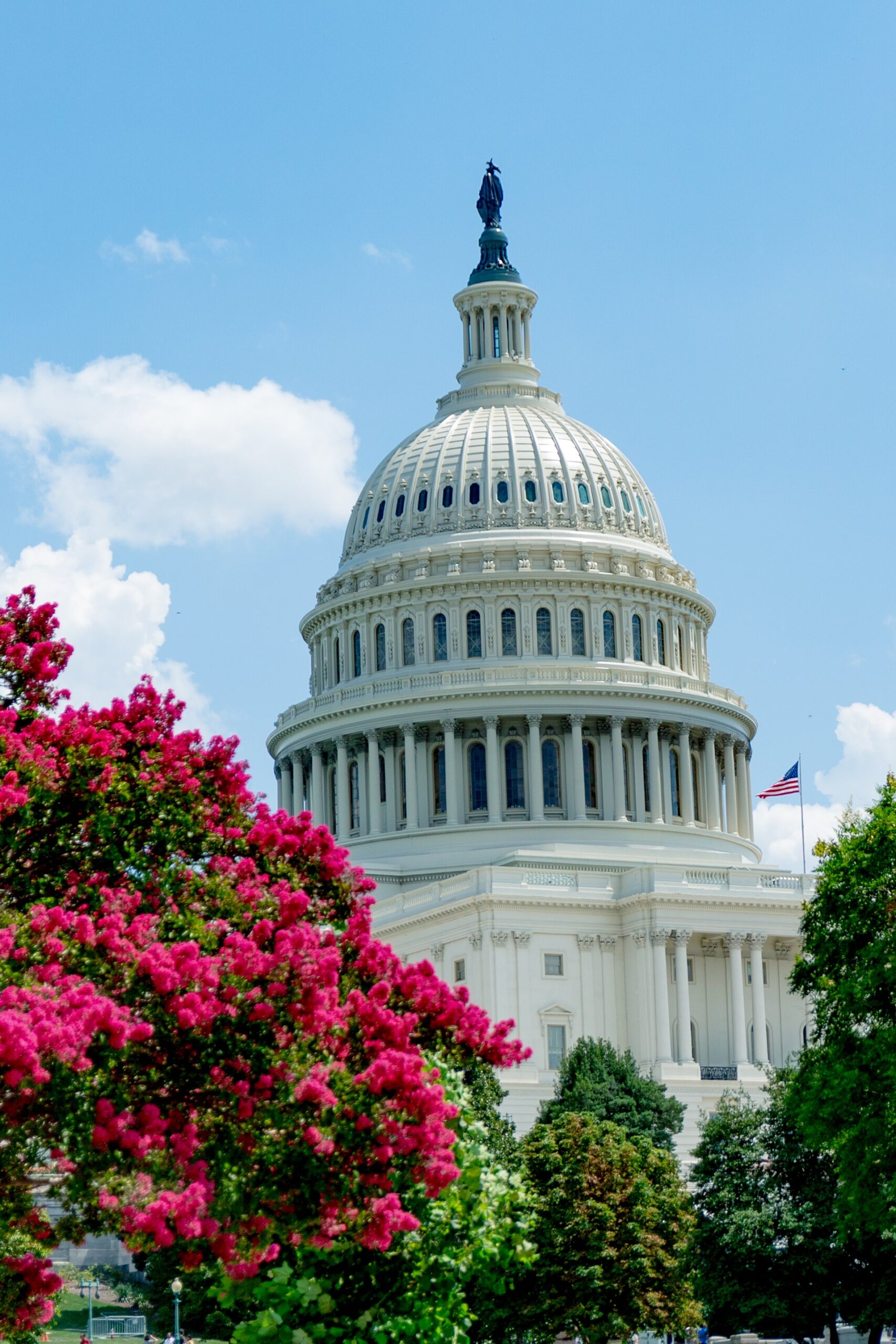
This week the Appropriations Committee of the U.S. House of Representatives approved the budget bill that includes funding for the National Science Foundation. The Commerce, Justice, Science Appropriations Act (CJS) proposes increasing funding for the NSF — which is the largest source of research funding for university social and behavioral science in the United States – by $270 million above the current year’s appropriation.

Funders from private industry — which represent two-thirds of funding in medical research, for example — can go great lengths to suppress the publication of findings which appear unfavorable. How can academic freedom be protected with this monumental funding shift?

Basic research can be easy to mock as pointless and wasteful of resources. But it’s very often the foundation for future innovation – even in ways the original scientists couldn’t have imagined.


Four Americans working in the social and behavioral sciences are among the 20 people named MacArthur Fellows this year. Recipients may be […] Euan Adie, the founder of Altmetric and later of Overton, discusses the reasons the led to Overton’s focus on showing researchers how […] Here’s a couple of quick questions for you. What is the smallest of the eight discipline-based directorates at the United States’ National […] Developers of AI data centers have a public trust problem. According to multiple surveys, a majority of Americans say they would oppose […] I was adding some final flourishes on the topic of ‘iatrocracy’ to my forthcoming book with Natewindé Sawadogo – Sickness and Social […] How is AI changing the shape and space of higher education? Critical thinking continues to rank highly among key skills and attributes […]
EXPLORE
Impact
Four From Social Science World Receive 2026 MacArthur Fellowships
READ MORE
Quick Insight: Euan Adie on Getting Academics Credit for Their Impact
READ MORE

NSF’s Embattled SBE Directorate Shown as Agency’s Policy Heavyweight
READ MORE
Innovation

What We Miss When We Study Public Trust with Surveys Alone
READ MORE

AI and ‘Iatrocracy’ – A Cautionary Tale
READ MORE

The Critical Student: How GenAI Reshapes Critical Skills and Higher Education’s Role Preparing Students For It
READ MORE