Karenza Moore on Dance Culture
LISTEN TO KARENZA MOORE NOW!
The culture of dance clubs has a way of popping up in policy debates around the world. In September, for example, the closure of London’s Fabric nightclub – called “one of the most influential and internationally renowned electronic music venues on the planet” by a major newspaper half that planet away – created a huge debate. In Los Angeles in July, the deaths of three people at the Hard Summer Music Festival — on the heels of more than two dozen drug-related deaths at raves across the U.S. Southwest in the past decade — saw enormous (but unsuccessful) efforts to ban the electronic dance music festivals.
Dance culture, then, isn’t just frippery. It’s about sound policy.
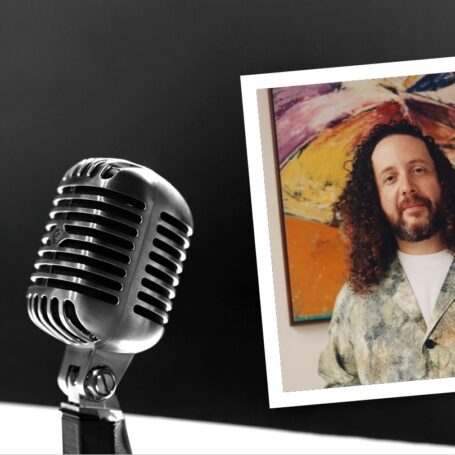
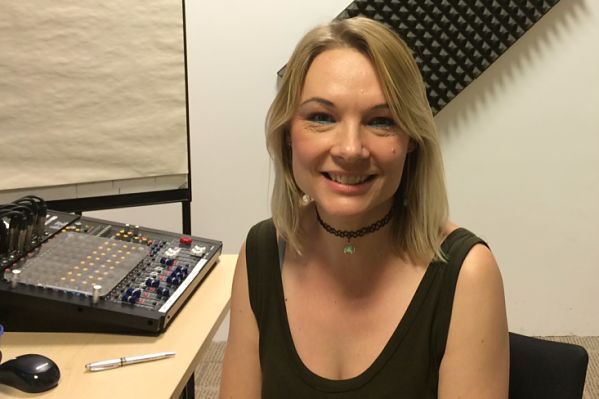
That’s no surprise to Karenza Moore, the guest of the latest Social Science Bites podcast. Moore, a lecturer in sociology at Lancaster University, has for more than a decade studied and written about the dance clubs, the music they play, and the drug use she says the culture has “hidden in plain sight.” Her interests are purely academic; Moore describes herself as a “participant observer” with at least 20 years standing on the dance floor.
In conversation with David Edmonds, Moore makes no bones about the prevalence of drugs in the club scene – even if alcohol is the most used drug in the post-rave era. MDMA, whether known as ecstasy , E, Molly, is used as a matter of routine, which she says “needs to be acknowledged.” Her sociological ethnography of the scene and its drug use sees her reject purely prosecution-oriented responses to that acknowledgement. Drawing from what she calls ‘critical drug studies,’ sees, Moore suggests that violence attributed to the clubs is linked to the underground drug trade, not the more-or-less open drug use. “Prohibition causes more harm than good,” Moore tells Edmonds, by placing a matter of public health in the hands of people who have no regulation to abide by.
In the podcast, Moore also talks about the mechanics of interviewing club-goers – seems many have a desire to overshare their exploits – and how long ‘participant observers’ can keep observing in a culture that’s generally reckoned to focus on youth.
At Lancaster, Moore runs the aptly named Club Research as a hub for research on all the drugs, legal, illicit and novel, in the scene, as well the various subcultures and the larger “night-time economy.” A lot of that work appears at her blog, http://www.clubresearch.org/, and is covered in her contributions as co-author to the 2013 book from SAGE publishing, Key Concepts in Drugs and Society.
To directly download this podcast, right click HERE and ‘Save As.’
***
Social Science Bites is made in association with SAGE Publishing. For a complete listing of past Social Science Bites podcasts, click HERE. You can follow Bites on Twitter @socialscibites and David Edmonds @DavidEdmonds100.