
Could Distributed Peer Review Better Decide Grant Funding?
The landscape of academic grant funding is notoriously competitive and plagued by lengthy, bureaucratic processes, exacerbated by difficulties in finding willing reviewers. Distributed […]


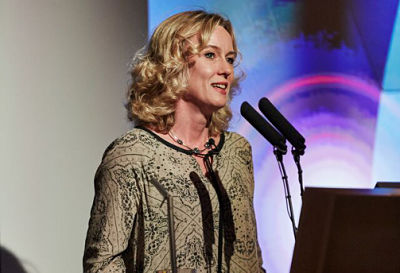
Economist Heidi Williams and urban sociologist Matthew Desmond were among 24 academics and artists winning prestigious MacArthur grants today.
With a third of the seats on the 24-member National Science Board opening next spring, the panel that oversees the U.S. National […]
America’s own ‘nudge unit’ celebrates its first birthday with a report outlining the low-cost ways that applied social and behavioral research is improving government services, saving money and raising revenue.

Two decades ago two curious scientists from very different fields wondered how many people live at various altitudes. Aided by federal funding, their inquiries have helped in area ranging from disaster preparedness to cancer research to fresher snack foods. Now the duo have been honored with a Golden Goose Award.
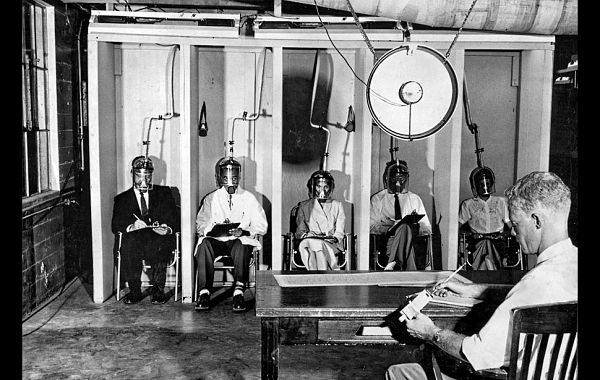
Four years in the making, a proposed version of the federal ‘Common Rule’ for research on human subjects includes a full suite of social and behavioral science-influenced directives that past versions of the rule lacked.
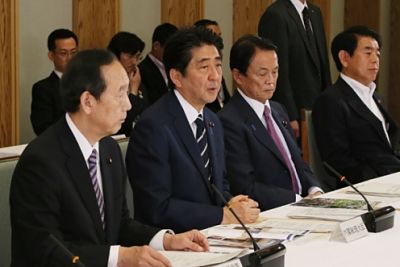
Citing an aging population and concerns about economic competitiveness, Japan’s education ministry offers a drastic solution for the national universities: Get rid of social science and humanities departments, and do it now.
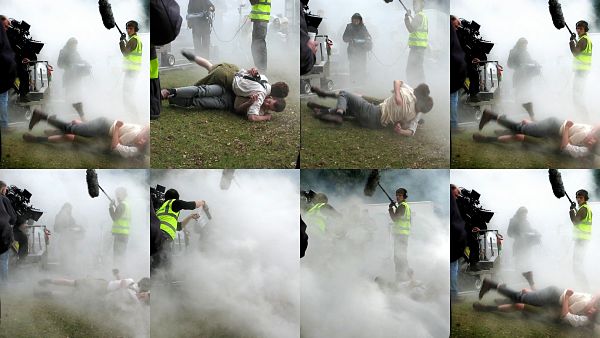
The medium of film itself opens doors to audiences that otherwise would never come across academic research, as the forces behind the online project RUFUS STONE’ will attest.

While the initial splash made by ‘The Metric Tide,’ an independent review on the role of metrics in research assessment, has died down since its release last month, the underlying critique continues to make waves.
Jürgen Habermas, a globally known social theorist whose explorations of democracy, validity and communication have gained new prominence in the current moment, […] People often see science as a world apart: cool, rational and untouched by persuasion or performance. In this view, scientists simply discover […] “Research impact” means different things to different people. Some refer broadly to how science changes behaviors, beliefs, or practices outside academic institutions. […] David Canter considers informal places where people socialize, suggesting they’re an arena ChatGPT and other LLMs can’no’t replicate. As someone who lives […] It’s become cliche since Clive Humbly coined it in 2006, but data is indeed the new oil. It’s a mantra repeated by […] In September 2025, The Guardian reported about a lawyer in Australia having faced sanctions due to false citations. These citations were not […]
EXPLORE
Impact

Jürgen Habermas, 1929-2026: Exponent of the Public Sphere
READ MORE

Scientists Should Keep in Mind It’s Called the ‘Marketplace of Ideas’ for a Reason
READ MORE

Survey Finds Social Scientists Feel Unsupported in Seeking Societal Impact
READ MORE
Innovation

Reaching Parts to Which AI Has No Access
READ MORE

Andrea Medina-Smith on Making Research Data More FAIR
READ MORE

A Status Check on Hallucinated Case Law Incidents
READ MORE