
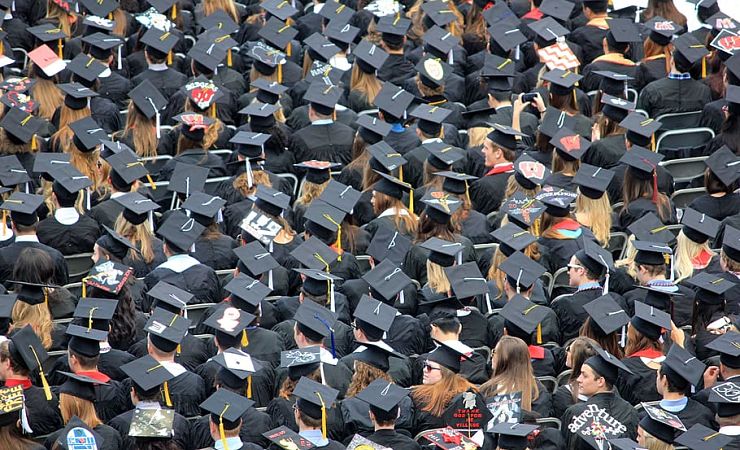

Could Distributed Peer Review Better Decide Grant Funding?
The landscape of academic grant funding is notoriously competitive and plagued by lengthy, bureaucratic processes, exacerbated by difficulties in finding willing reviewers. Distributed […]
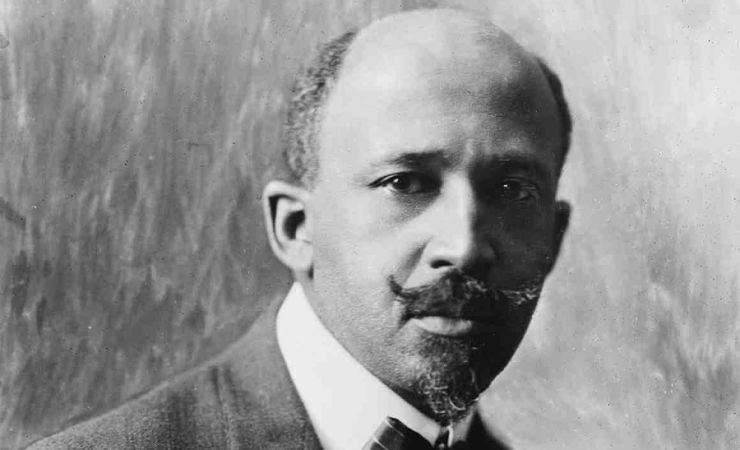
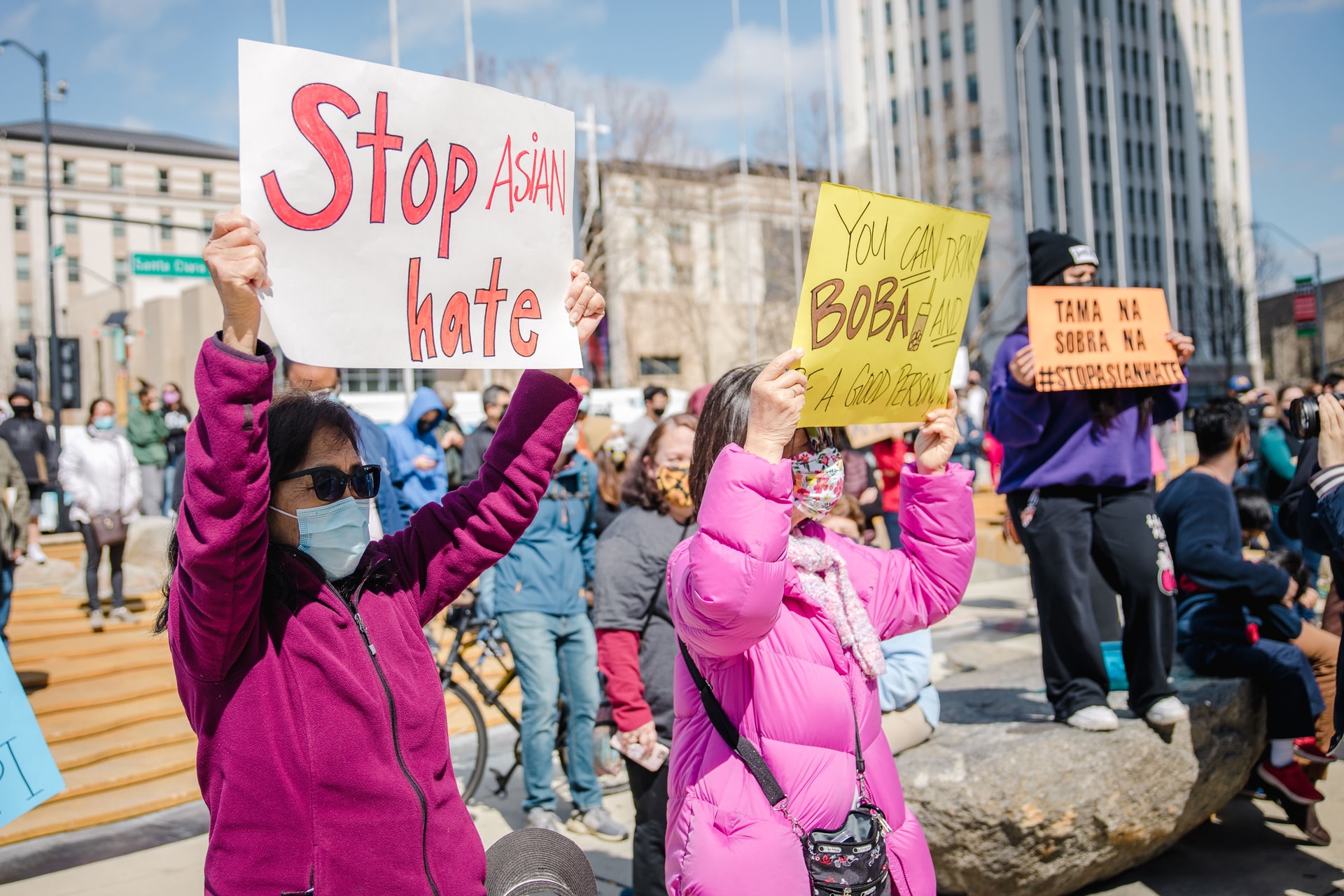
In an attempt to uncover and highlight anti-racist research in the social sciences, SAGE Publishing (the parent of Social Science Space) sent […]

The opening days of the administration of Joe Biden as U.S. president have continued two themes of the last administration: using impeachment […]
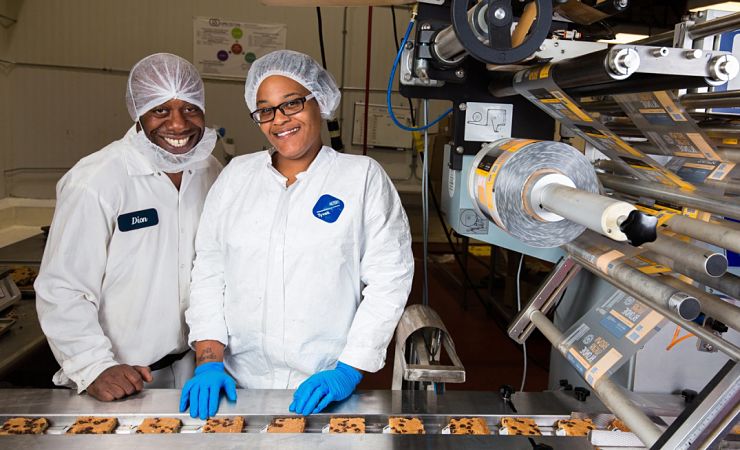
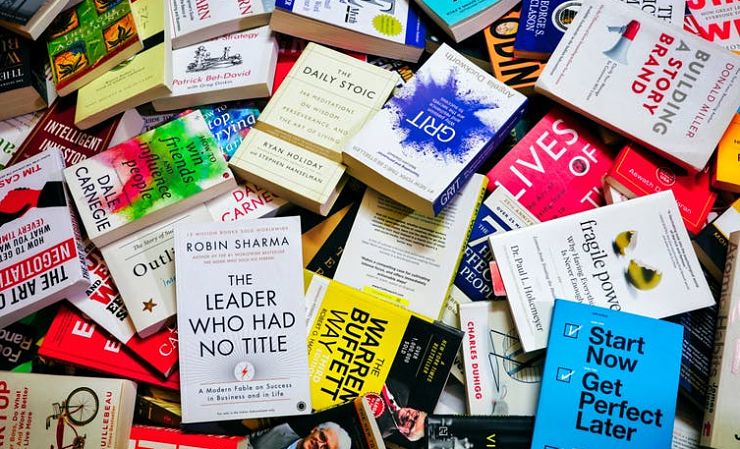
According to the author of the book ‘Principles of Management,’ we have to mind the management practices that make and potentially break our world even if, and especially if they seem so mundane and ‘normal.’
Table of Contents Author Biographies Contributors Acknowledgements Section A: Setting the scene The need for a social identity analysis of COVID-19 A […]
In December, the Consortium of Social Science Associations, an umbrella organization that has served as a united voice in Washington, D.C. for […]
Free webinar: Having conversations about race in the classroom Professor of criminal justice Stephanie A. Jirard offers suggestions on how to approach […]
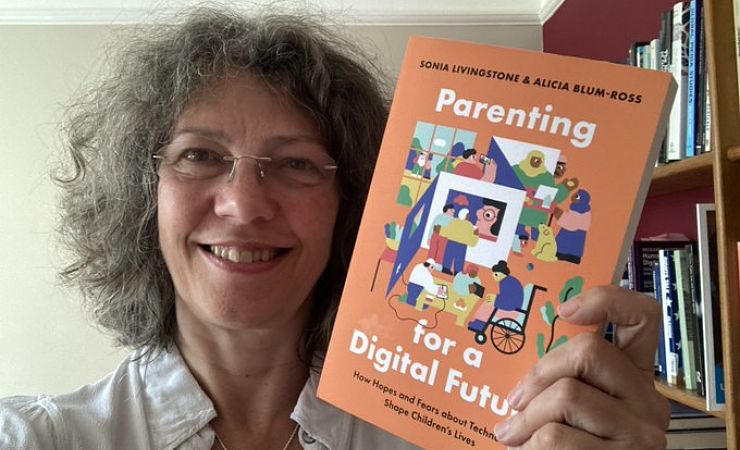
In this Q&A conducted by the LSE Impact blog, social psychologist Sonia Livingstone outlines the ways that the pandemic has transformed the process of promoting a book. She discusses the heightened importance of social media and the opportunities that digital technologies have afforded for reaching new audiences and adapting conventional formats.
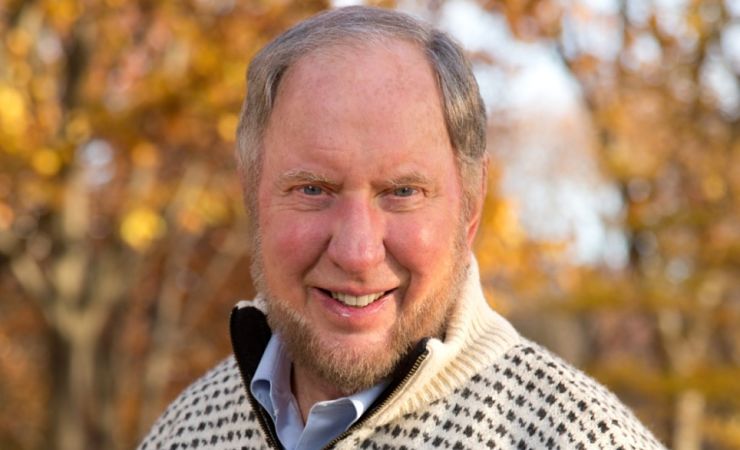
Political scientist Robert Putnam, whose book Bowling Alone achieved a popular and policy prominence that most social scientists can only dream of, will discuss his latest book, The Upswing: How America Came Together a Century Ago and How We Can Do It Again, co-written by Shaylyn Romney Garrett, in a virtual launch on November 5.
Jürgen Habermas, a globally known social theorist whose explorations of democracy, validity and communication have gained new prominence in the current moment, […] People often see science as a world apart: cool, rational and untouched by persuasion or performance. In this view, scientists simply discover […] “Research impact” means different things to different people. Some refer broadly to how science changes behaviors, beliefs, or practices outside academic institutions. […] David Canter considers informal places where people socialize, suggesting they’re an arena ChatGPT and other LLMs can’no’t replicate. As someone who lives […] It’s become cliche since Clive Humbly coined it in 2006, but data is indeed the new oil. It’s a mantra repeated by […] In September 2025, The Guardian reported about a lawyer in Australia having faced sanctions due to false citations. These citations were not […]
EXPLORE
Impact

Jürgen Habermas, 1929-2026: Exponent of the Public Sphere
READ MORE

Scientists Should Keep in Mind It’s Called the ‘Marketplace of Ideas’ for a Reason
READ MORE

Survey Finds Social Scientists Feel Unsupported in Seeking Societal Impact
READ MORE
Innovation

Reaching Parts to Which AI Has No Access
READ MORE

Andrea Medina-Smith on Making Research Data More FAIR
READ MORE

A Status Check on Hallucinated Case Law Incidents
READ MORE