



Could Distributed Peer Review Better Decide Grant Funding?
The landscape of academic grant funding is notoriously competitive and plagued by lengthy, bureaucratic processes, exacerbated by difficulties in finding willing reviewers. Distributed […]

Counties with large universities depend heavily on student responses to the decennial census, because the census counts determine the levels of federal funding communities receive. And if those students are counted as being there …?

Social science, argues Michael Taster of the LSE Impact blog, has an important role to play, by directly contributing to policy surrounding COVID-19 and its impacts, but also by acting as a critical friend, which raises the urgent question: how can this wealth of knowledge and expertise best be communicated?

The same technologies that people once blamed for tearing society apart might be our best chance of staying together during the COVID-19 outbreak, says Stanford’s Jamil Zaki.
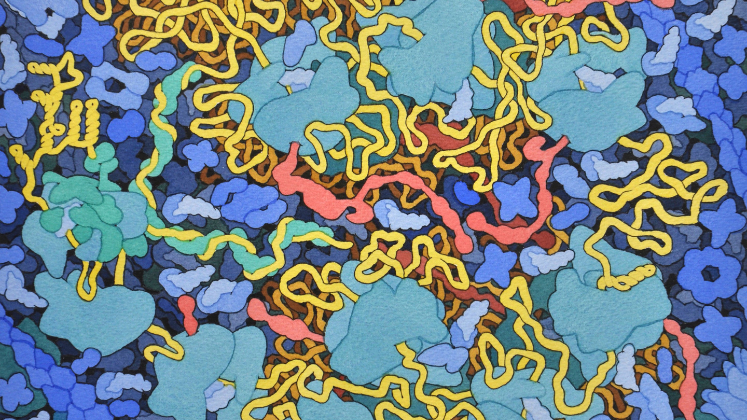
The ways in which epidemics interact with human society suggest that much can be learned from previous epidemics. Drawing on the historical response to the AIDS epidemic of the 1980s, Donald Nicolson describes four parallels between the responses to these outbreaks and suggests what lessons can be learned by public health authorities responding to COVID-19.

Crises rarely see human decision-making operating at its best. Politicians and policymakers have to make important decisions in unfamiliar circumstances, with vast gaps in the available information, and all in the full glare of public scrutiny. The psychology of decision making doesn’t just tell us a lot about the potential pitfalls in our own thinking – it alerts us to ways in which some of the world’s governments may go astray.
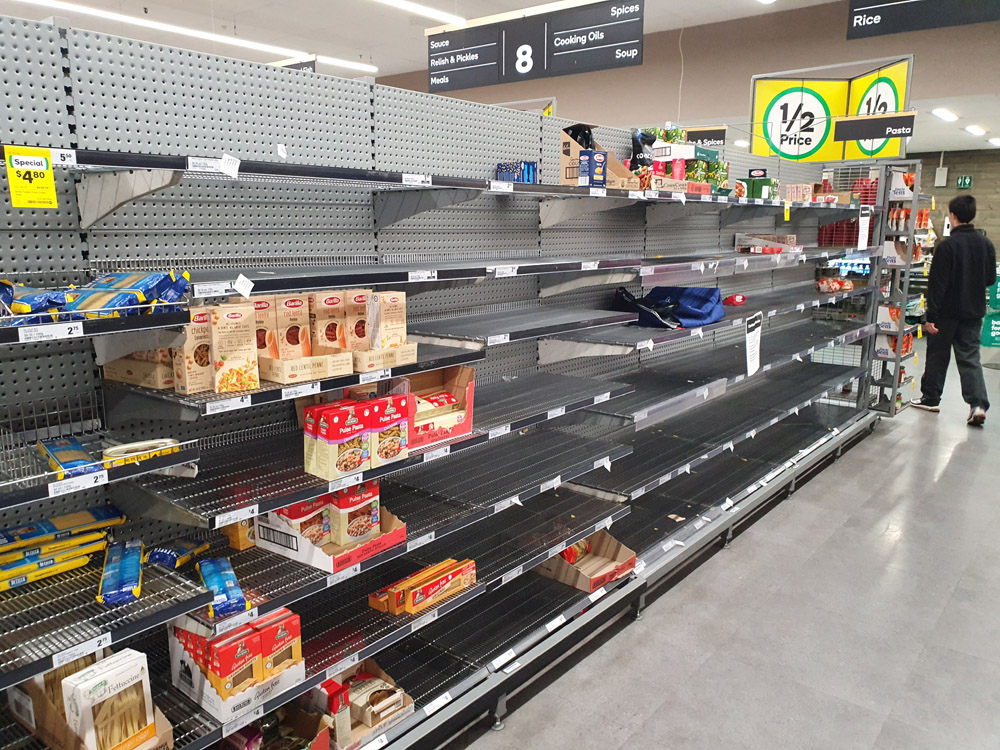
David Canter considers what panic really is and why its main cause is … telling people not to panic.
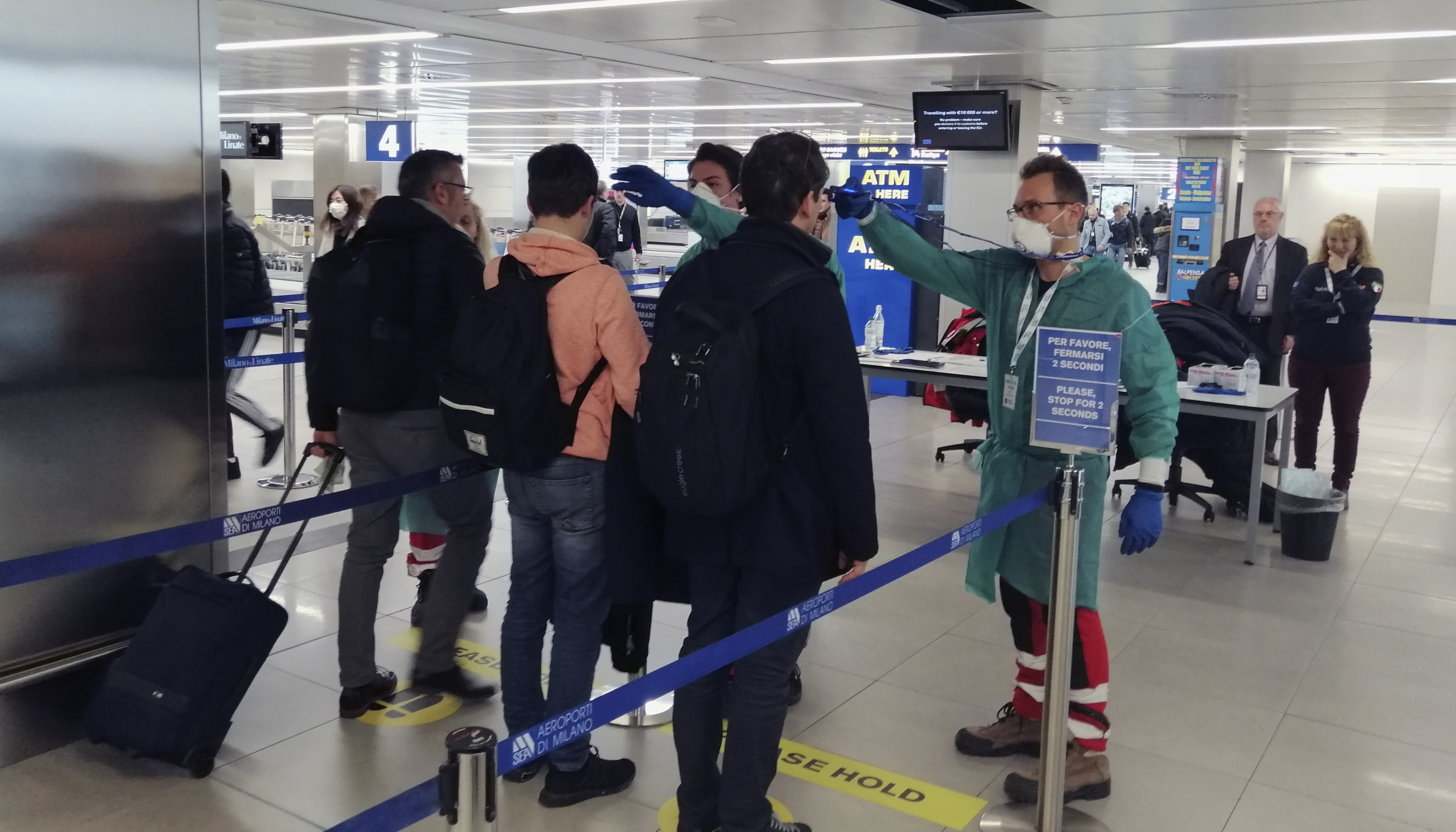
The Italian government’s decision to expand its lockdown from two small areas of the north to encompass the entire country is a sign of its increasing desperation to control the spread of novel coronavirus. The number of positive cases by the evening of March 9 stood at at least 7,000 with more than 400 people having lost their lives. This has even been described as Italy’s “darkest hour” by Giuseppe Conte, the country’s prime minister.
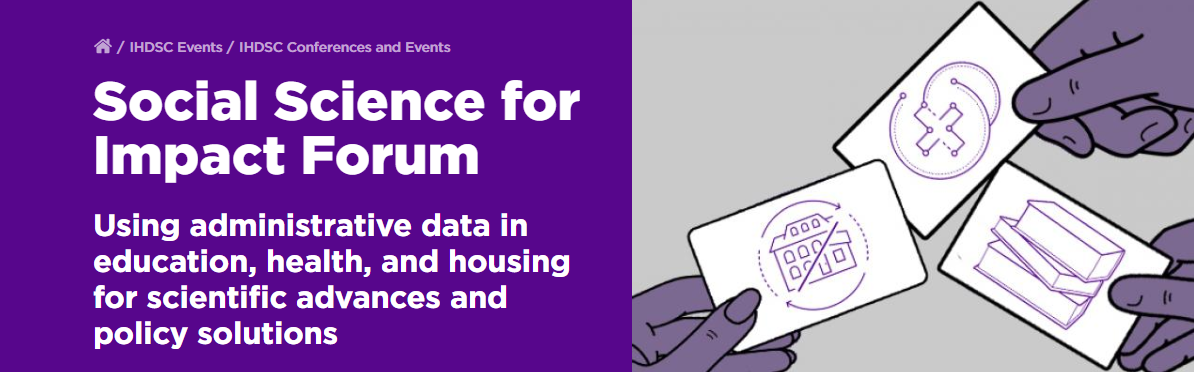
Each year, NYU researchers analyze New York State Medicaid, New York City Department of Education, and New York City subsidized housing data to discover new patterns of family experiences and outcomes and inform new approaches to fighting poverty, reducing inequality, and expanding opportunity in our communities.


Jürgen Habermas, a globally known social theorist whose explorations of democracy, validity and communication have gained new prominence in the current moment, […] People often see science as a world apart: cool, rational and untouched by persuasion or performance. In this view, scientists simply discover […] “Research impact” means different things to different people. Some refer broadly to how science changes behaviors, beliefs, or practices outside academic institutions. […] David Canter considers informal places where people socialize, suggesting they’re an arena ChatGPT and other LLMs can’no’t replicate. As someone who lives […] It’s become cliche since Clive Humbly coined it in 2006, but data is indeed the new oil. It’s a mantra repeated by […] In September 2025, The Guardian reported about a lawyer in Australia having faced sanctions due to false citations. These citations were not […]
EXPLORE
Impact

Jürgen Habermas, 1929-2026: Exponent of the Public Sphere
READ MORE

Scientists Should Keep in Mind It’s Called the ‘Marketplace of Ideas’ for a Reason
READ MORE

Survey Finds Social Scientists Feel Unsupported in Seeking Societal Impact
READ MORE
Innovation

Reaching Parts to Which AI Has No Access
READ MORE

Andrea Medina-Smith on Making Research Data More FAIR
READ MORE

A Status Check on Hallucinated Case Law Incidents
READ MORE