

Could Distributed Peer Review Better Decide Grant Funding?
The landscape of academic grant funding is notoriously competitive and plagued by lengthy, bureaucratic processes, exacerbated by difficulties in finding willing reviewers. Distributed […]
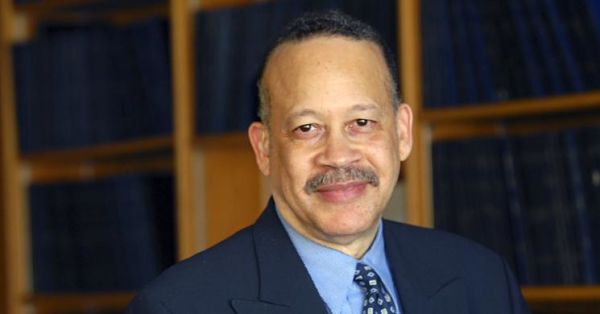
The Urban Affairs Association will present this year’s Marilyn J. Gittell Activist Scholar Award to Samuel Myers Jr., an economist who has pioneered methods that prove the pervasiveness of inequality.
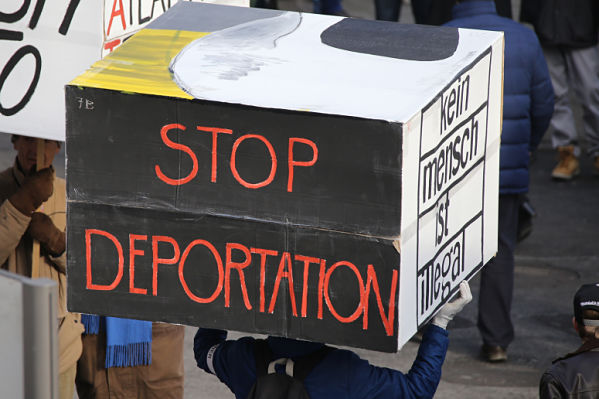
In the wake of recent divisive political campaigns, argues Caoimhe Ryan in this essay, it is vital that we not lose sight of important examples of inclusion and support.
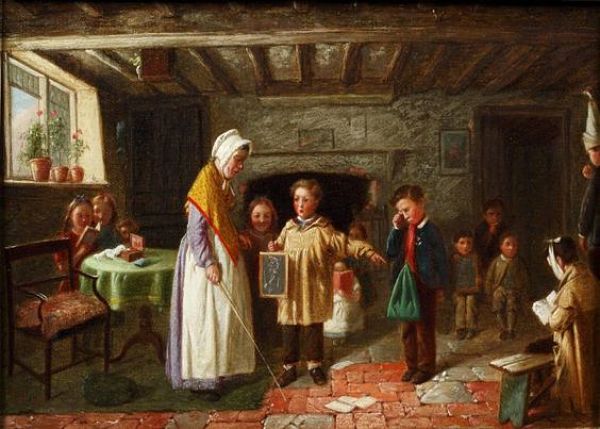
Are we paying enough attention to ostensible philanthropy that influences what goes on in British schools? We should, argues Ruth Puttick in this essay.
Howard Silver looks at two distinguished individuals who have toiled for long periods of time in an area that receives attention only from those who understand the importance of data and statistics to the well-being of a democratic state
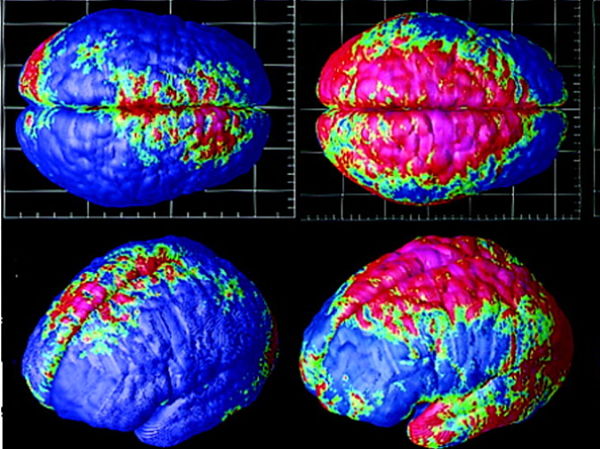
David Pollard here argues that it would benefit society — and science — to seriously study the adolescent brain.
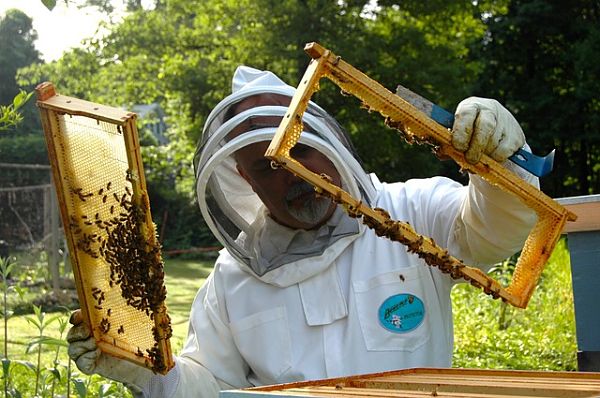
In developing wise policy, we ignore local environmental knowledge at our peril, writes Siobhan Maderson in her essay about the interaction of bees, beekeepers, and government.
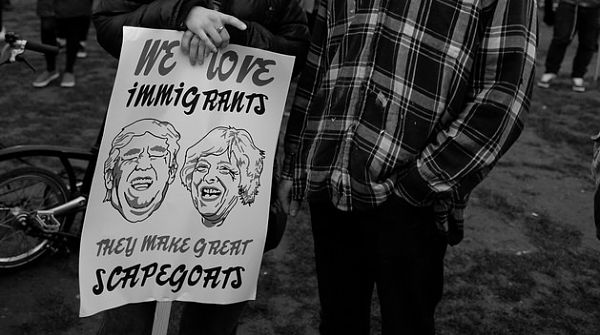
Concepts of mobility, citizenship and belonging are morphing in a time of widespread immigration. In this essay, Vanessa Hughes uses the case of a specific London resident to explore these themes.
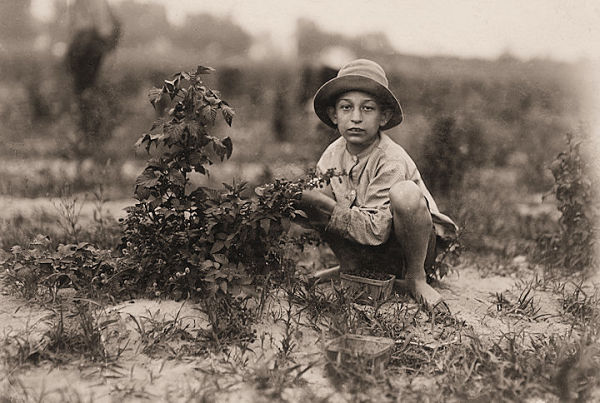
In this short-listed essay from a competition sponsored by the ESRC, Sophie Hedges notes that norms about child labor are by no means universal.


Jürgen Habermas, a globally known social theorist whose explorations of democracy, validity and communication have gained new prominence in the current moment, […] People often see science as a world apart: cool, rational and untouched by persuasion or performance. In this view, scientists simply discover […] “Research impact” means different things to different people. Some refer broadly to how science changes behaviors, beliefs, or practices outside academic institutions. […] David Canter considers informal places where people socialize, suggesting they’re an arena ChatGPT and other LLMs can’no’t replicate. As someone who lives […] It’s become cliche since Clive Humbly coined it in 2006, but data is indeed the new oil. It’s a mantra repeated by […] In September 2025, The Guardian reported about a lawyer in Australia having faced sanctions due to false citations. These citations were not […]
EXPLORE
Impact

Jürgen Habermas, 1929-2026: Exponent of the Public Sphere
READ MORE

Scientists Should Keep in Mind It’s Called the ‘Marketplace of Ideas’ for a Reason
READ MORE

Survey Finds Social Scientists Feel Unsupported in Seeking Societal Impact
READ MORE
Innovation

Reaching Parts to Which AI Has No Access
READ MORE

Andrea Medina-Smith on Making Research Data More FAIR
READ MORE

A Status Check on Hallucinated Case Law Incidents
READ MORE