

Could Distributed Peer Review Better Decide Grant Funding?
The landscape of academic grant funding is notoriously competitive and plagued by lengthy, bureaucratic processes, exacerbated by difficulties in finding willing reviewers. Distributed […]
Academic freedom is widely championed as the foundation of a good university. It is seen as vital in speaking “truth to power” – […]
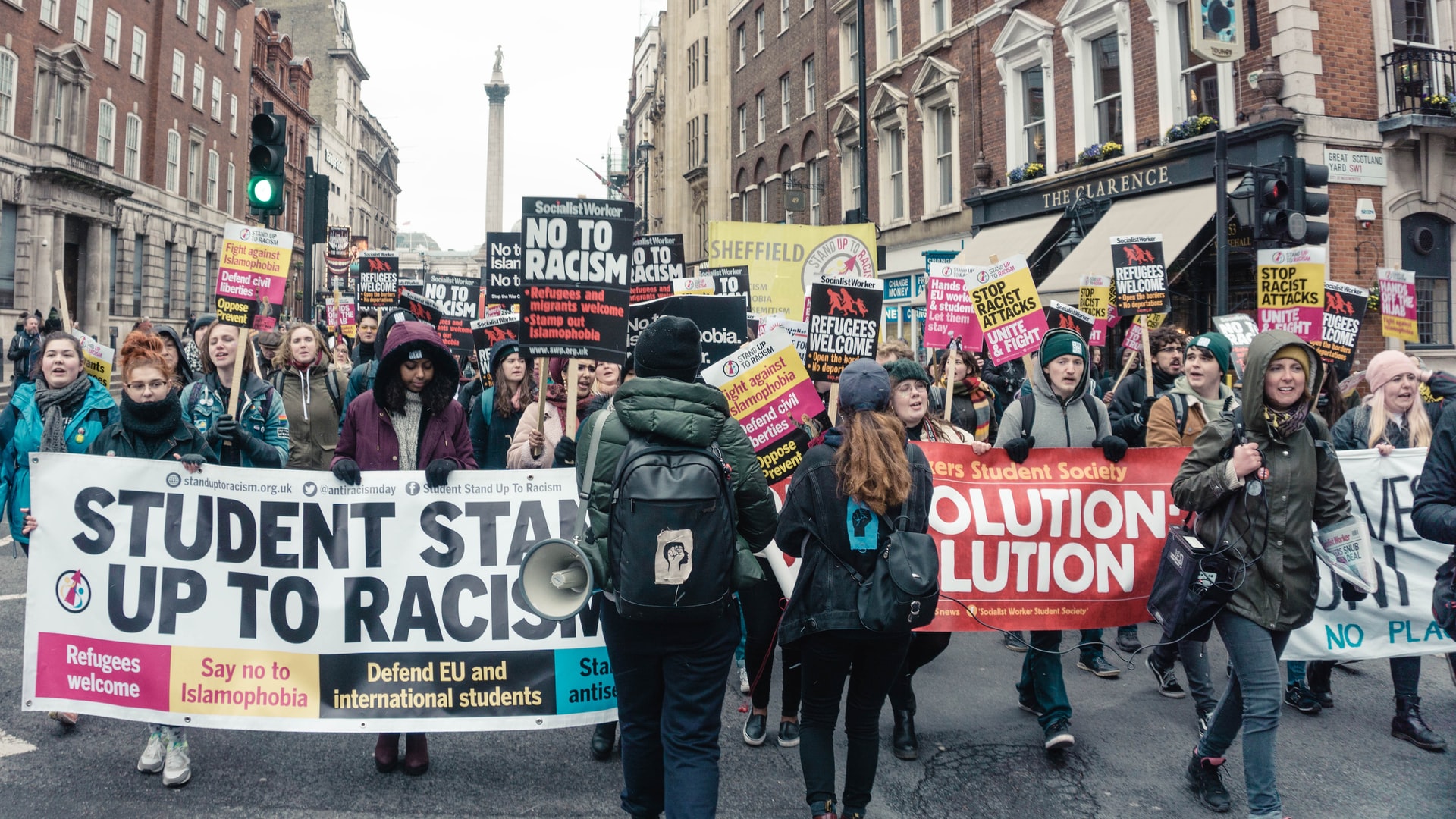
Should student social media posts be punishable, even if they are made off-campus?

The times they are a-changin’ for higher education. Or so say a growing number of commentators. They see COVID-19 disruptions as a […]
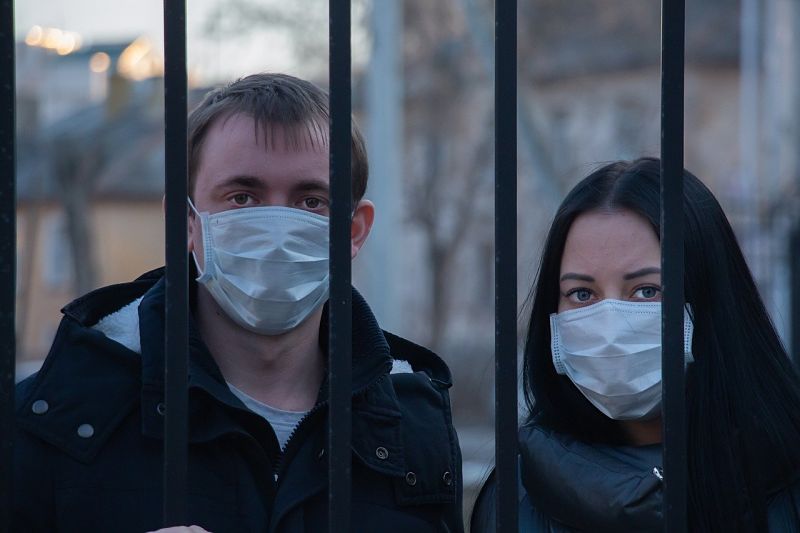
To better understand the breadth and depth of the pandemic’s impact on American lives, Kyla Thomas and her peers worked with colleagues at the USC Dornsife Center for Economic and Social Research to develop an index of “pandemic misery.”
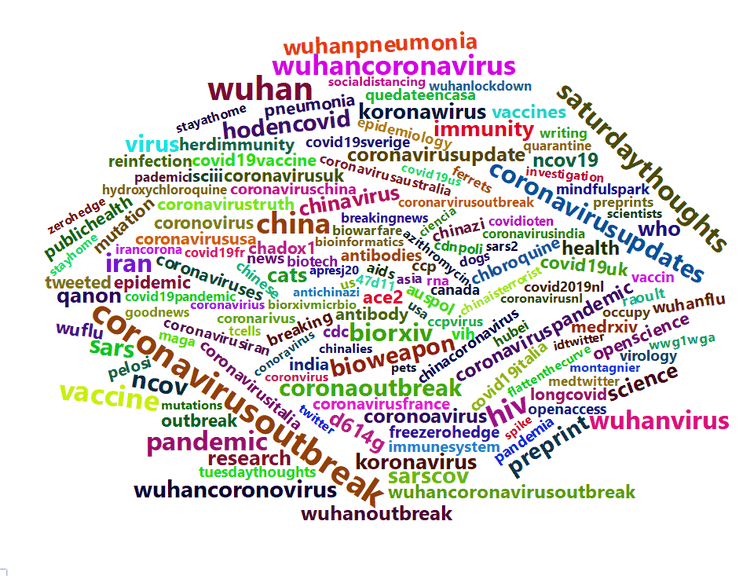
New research suggests that the pandemic has resulted in scientists increasingly using preprints to release findings, and that these papers are read more frequently.
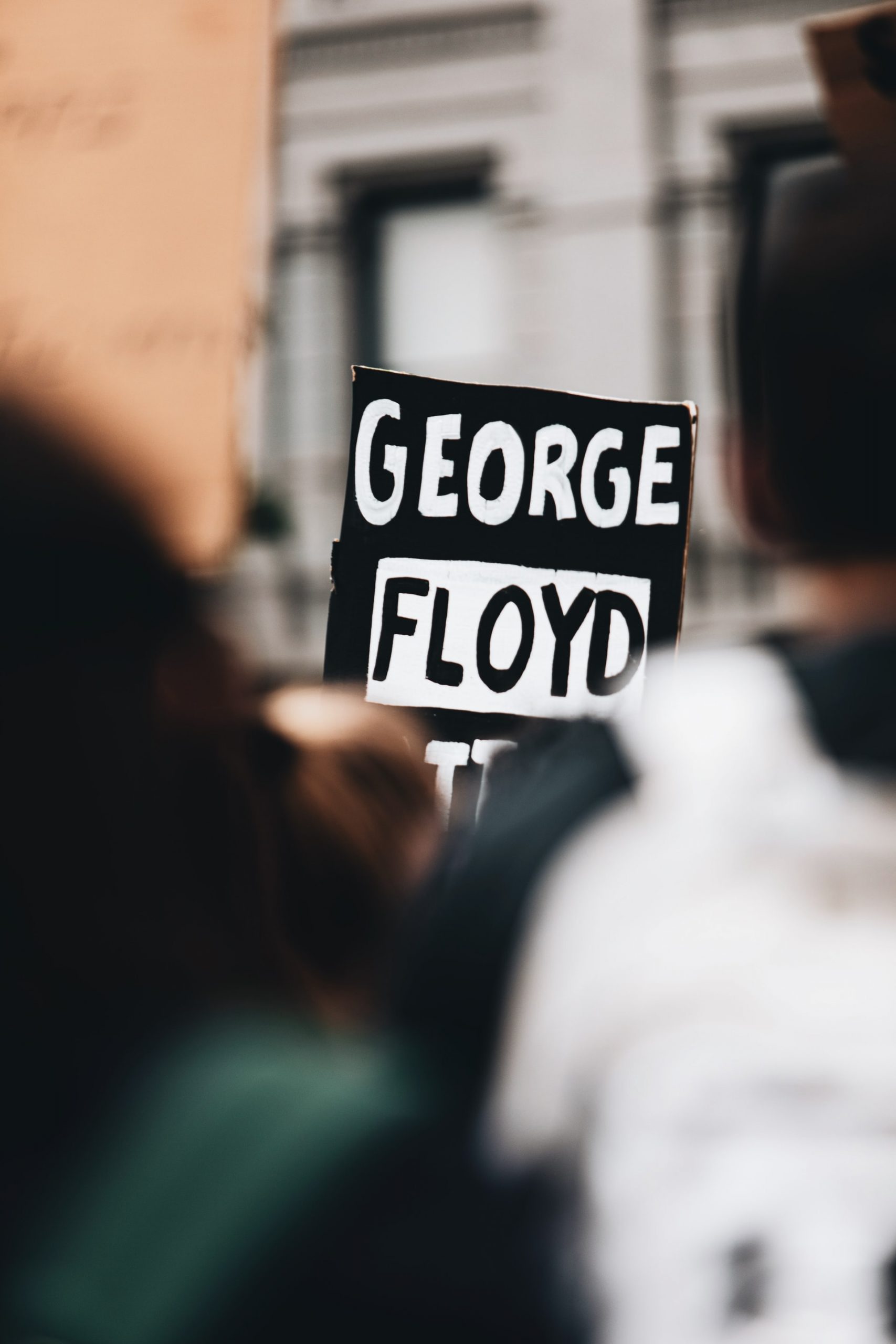
The guilty verdict in the trial of Derek Chauvin for the killing of George Floyd signposts a defining moment beyond policing. Finding Chauvin guilty on all counts should have consequences for policing in the United States, the trial-by-jury system and, crucially, race and justice.

Research from Loren Falkenberg and Elizabeth Cannon shows universities must “future proof” themselves, which happens when an institutional strategy is focused on the future while mitigating the impact of unforeseen events.
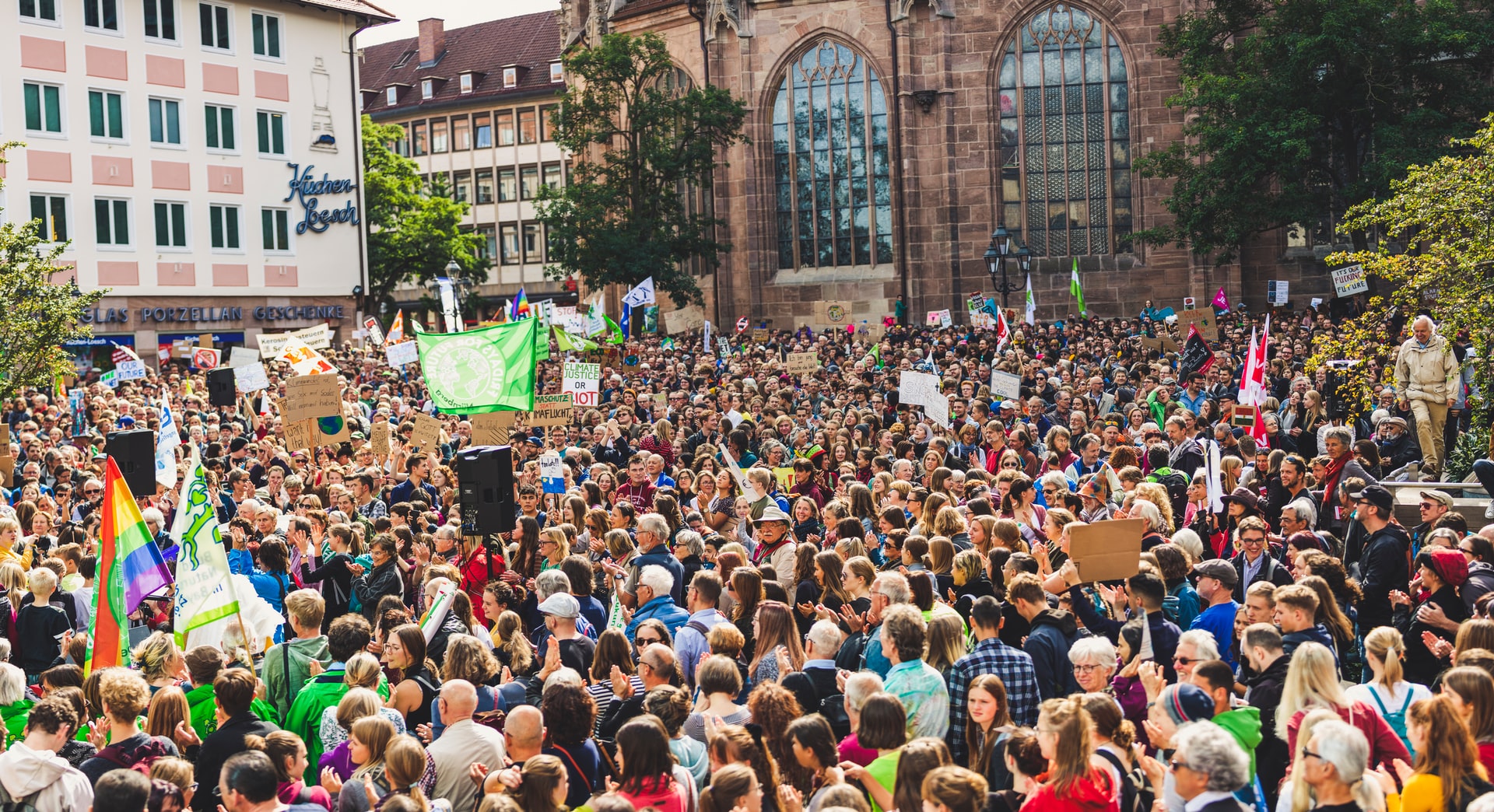
New research shows that states that require civics courses do not necessarily have better test scores, more youth voting or young people volunteering at higher rates than other states

Jürgen Habermas, a globally known social theorist whose explorations of democracy, validity and communication have gained new prominence in the current moment, […] People often see science as a world apart: cool, rational and untouched by persuasion or performance. In this view, scientists simply discover […] “Research impact” means different things to different people. Some refer broadly to how science changes behaviors, beliefs, or practices outside academic institutions. […] David Canter considers informal places where people socialize, suggesting they’re an arena ChatGPT and other LLMs can’no’t replicate. As someone who lives […] It’s become cliche since Clive Humbly coined it in 2006, but data is indeed the new oil. It’s a mantra repeated by […] In September 2025, The Guardian reported about a lawyer in Australia having faced sanctions due to false citations. These citations were not […]
EXPLORE
Impact

Jürgen Habermas, 1929-2026: Exponent of the Public Sphere
READ MORE

Scientists Should Keep in Mind It’s Called the ‘Marketplace of Ideas’ for a Reason
READ MORE

Survey Finds Social Scientists Feel Unsupported in Seeking Societal Impact
READ MORE
Innovation

Reaching Parts to Which AI Has No Access
READ MORE

Andrea Medina-Smith on Making Research Data More FAIR
READ MORE

A Status Check on Hallucinated Case Law Incidents
READ MORE