

Could Distributed Peer Review Better Decide Grant Funding?
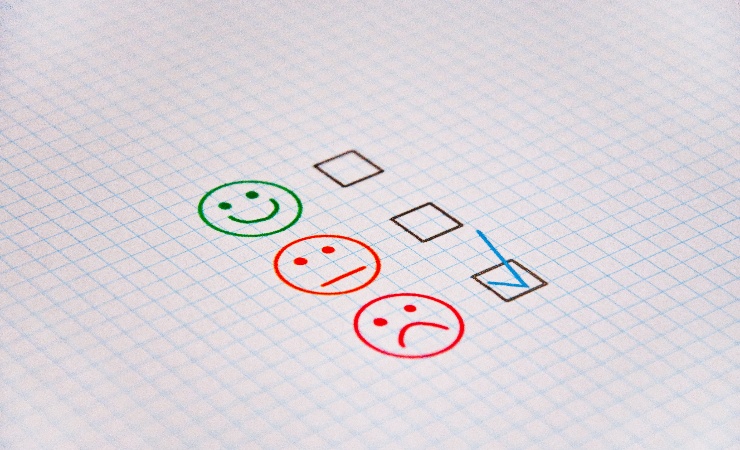
The landscape of academic grant funding is notoriously competitive and plagued by lengthy, bureaucratic processes, exacerbated by difficulties in finding willing reviewers. Distributed […]

William Poole takes an alternative approach to the usual ‘how-to’ blog format for academic writing. An avid reader of conclusions, with an aversion to writing them, the author presents an altogether inconclusive reflection on the form and function of the conclusion.
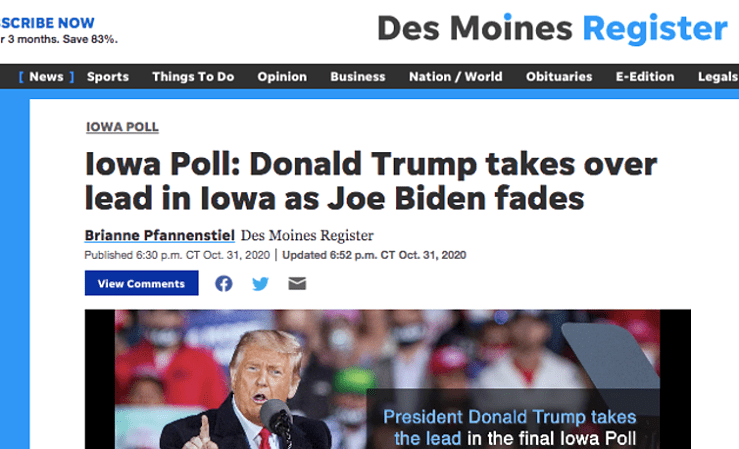
W. Joseph Campbell is an authority on the history of presidential polling, and in that story, as well as his recent book, “Lost in a Gallup: Polling Failure in Presidential Elections,” he details just how polls and pollsters – and those who put their faith in them – have misread public opinion when it comes to elections.

When Americans vote this fall, the candidates on their ballots will not reflect the diversity of the United States. Despite recent gains, […]

When will the United States, and frankly the world, be able to cast a dispassionate eye on the U.S. elections results and […]
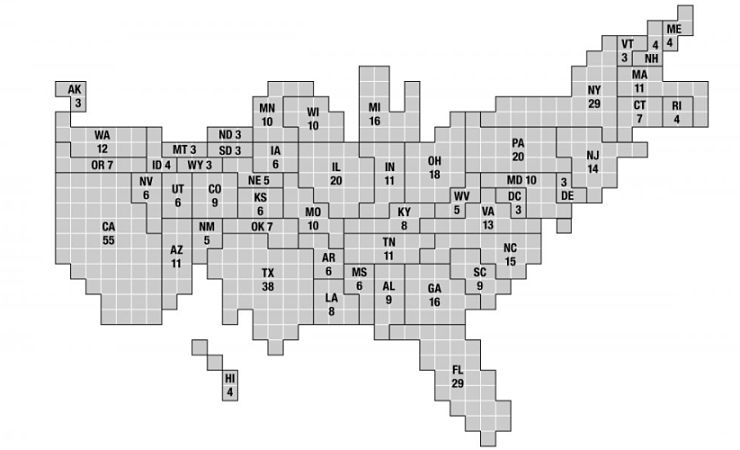
Political scientist Joshua Holzer identifies a number of proven electoral strategies used elsewhere that could replace the United States’ Electoral College.
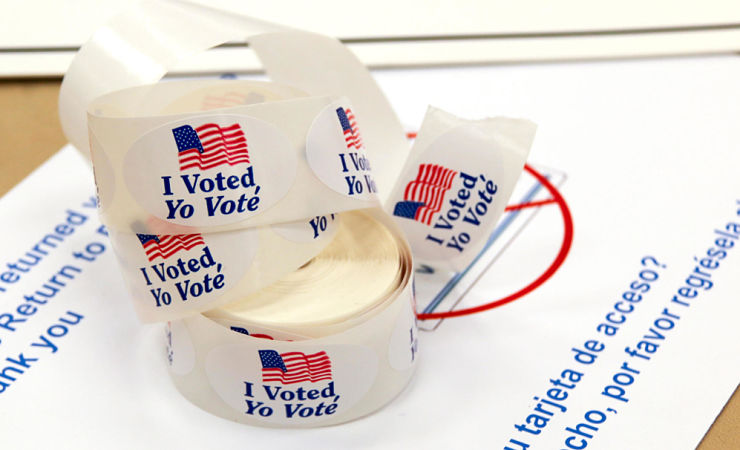
Whomever they vote for, says Cary Wu, Americans who are trusting are more likely to have either cast their ballots already or will on election day than Americans who do not trust easily.
Social sciences, humanities and the arts can help us in our endeavors, which is why we, along with the British Academy and others, have recently launched SHAPE: Social sciences, Humanities and the Arts for People and the Economy
If differing groups could be brought together cooperatively – not competitively – in a manner endorsed by both groups and where each side met on an equal footing, perhaps we could, as Salma Mousa puts it in this Social Science Bites podcast, “unlock tolerance on both sides and reduce prejudice.”
People often see science as a world apart: cool, rational and untouched by persuasion or performance. In this view, scientists simply discover […] “Research impact” means different things to different people. Some refer broadly to how science changes behaviors, beliefs, or practices outside academic institutions. […] One researcher studies how war affects children, another took a literal worm’s eye view to examine rural development, while two others scrutinized […] David Canter considers informal places where people socialize, suggesting they’re an arena ChatGPT and other LLMs can’no’t replicate. As someone who lives […] It’s become cliche since Clive Humbly coined it in 2006, but data is indeed the new oil. It’s a mantra repeated by […] In September 2025, The Guardian reported about a lawyer in Australia having faced sanctions due to false citations. These citations were not […]
EXPLORE
Impact

Scientists Should Keep in Mind It’s Called the ‘Marketplace of Ideas’ for a Reason
READ MORE

Survey Finds Social Scientists Feel Unsupported in Seeking Societal Impact
READ MORE
Canada’s SSHRC Names 2025 Impact Winners
READ MORE
Innovation

Reaching Parts to Which AI Has No Access
READ MORE

Andrea Medina-Smith on Making Research Data More FAIR
READ MORE

A Status Check on Hallucinated Case Law Incidents
READ MORE