
Could Distributed Peer Review Better Decide Grant Funding?
The landscape of academic grant funding is notoriously competitive and plagued by lengthy, bureaucratic processes, exacerbated by difficulties in finding willing reviewers. Distributed […]
The National Science Foundation has announced the Directorate for Social, Behavioral and Economic Sciences (SBE) Postdoctoral Research Fellowships. This initiative seeks to encourage early career independence by supporting individuals’ research or training goals. Proposals must address scientific questions within the SBE’s scope, either in fundamental research in the SBE sciences or broadening participation in the SBE sciences.
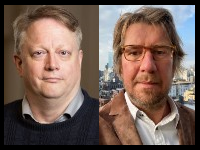
Social psychologists David Dunning of the University of Michigan and Justin Kruger of New York University, whose research captured the public imagination by suggesting that unskilled people often overrate their own abilities, have received the 2023 University of Louisville Grawemeyer Award in Psychology.
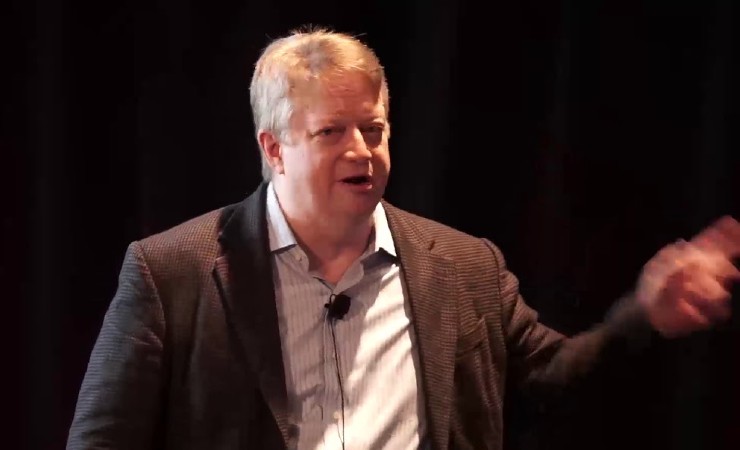
The Dunning-Kruger Effect, explains David Dunning, comes when “people who are incompetent or unskilled or not expert in a field lack expertise to recognize that they lack expertise. So they come to conclusions, decisions, opinions that they think are just fine when they’re, well, wrong.”
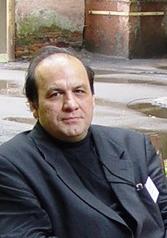
Nasser Fakouhi is professor of Anthropology at the University of Tehran. In a 2016 interview with Social Science Space, he reflected on the origins and development of social science in Iran and how political repression has impacted academic freedom.
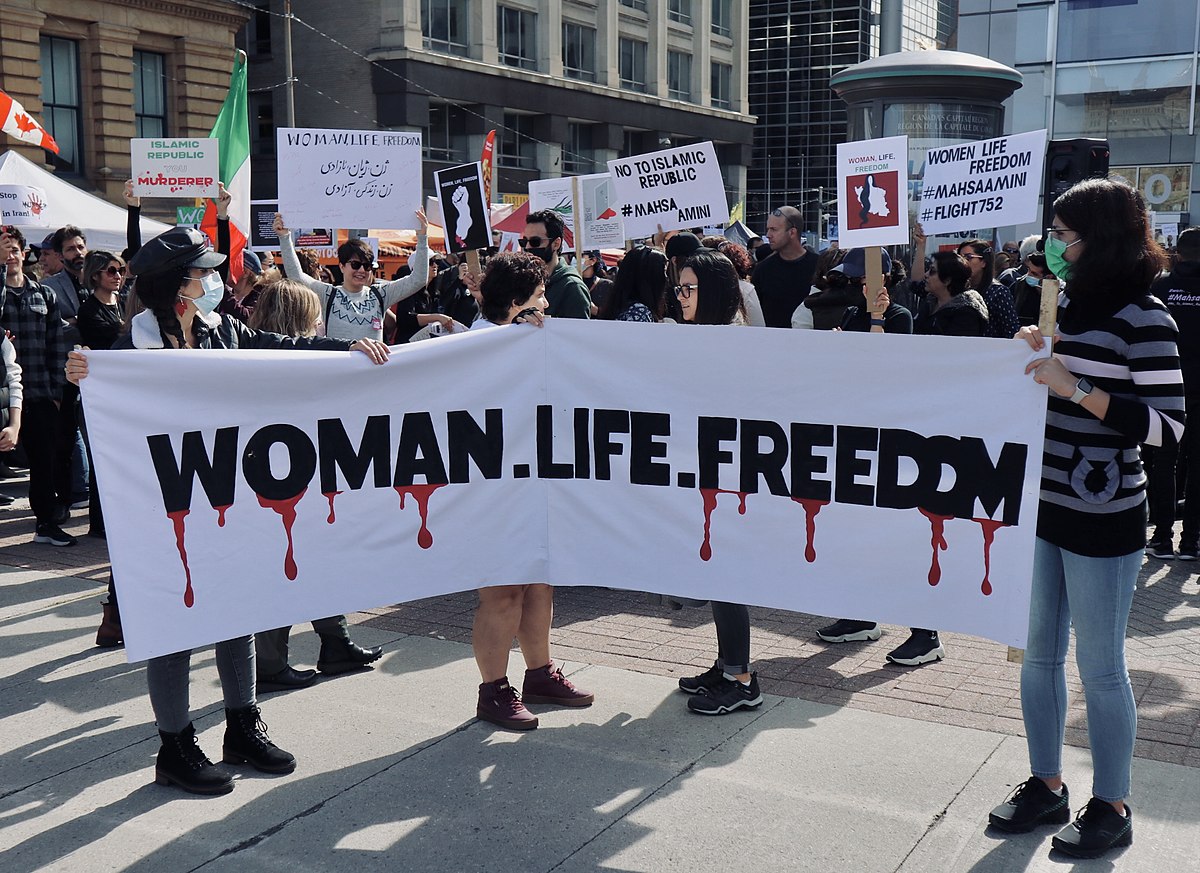
Images of unveiled Iranian women and adolescent girls standing atop police cars or flipping off the ayatollah’s picture have become signature demonstrations of dissent in the past few months of protest in Iran.
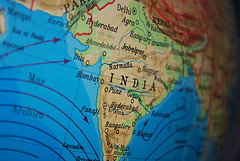
India presents a rich context for research on work and employment, epitomizing the paradox of being the world’s fifth-biggest economy but one where 92.4 percent of the workforce is informal – insecure, unprotected, poor – and women and disadvantaged groups most vulnerable.
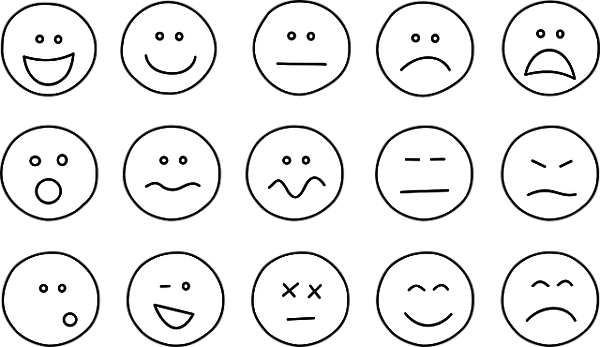
The authors explored whether there are universal sound patterns in profanity. So we designed a series of studies involving speakers of different languages and found surprising patterns in how swear words sound across the world.
The National Science Foundation’s Build and Broaden program aims to support research and research capacity at minority-serving institutions in the United States.
People often see science as a world apart: cool, rational and untouched by persuasion or performance. In this view, scientists simply discover […] “Research impact” means different things to different people. Some refer broadly to how science changes behaviors, beliefs, or practices outside academic institutions. […] One researcher studies how war affects children, another took a literal worm’s eye view to examine rural development, while two others scrutinized […] David Canter considers informal places where people socialize, suggesting they’re an arena ChatGPT and other LLMs can’no’t replicate. As someone who lives […] It’s become cliche since Clive Humbly coined it in 2006, but data is indeed the new oil. It’s a mantra repeated by […] In September 2025, The Guardian reported about a lawyer in Australia having faced sanctions due to false citations. These citations were not […]
EXPLORE
Impact

Scientists Should Keep in Mind It’s Called the ‘Marketplace of Ideas’ for a Reason
READ MORE

Survey Finds Social Scientists Feel Unsupported in Seeking Societal Impact
READ MORE
Canada’s SSHRC Names 2025 Impact Winners
READ MORE
Innovation

Reaching Parts to Which AI Has No Access
READ MORE

Andrea Medina-Smith on Making Research Data More FAIR
READ MORE

A Status Check on Hallucinated Case Law Incidents
READ MORE