Ioanna Palaiologou on Play
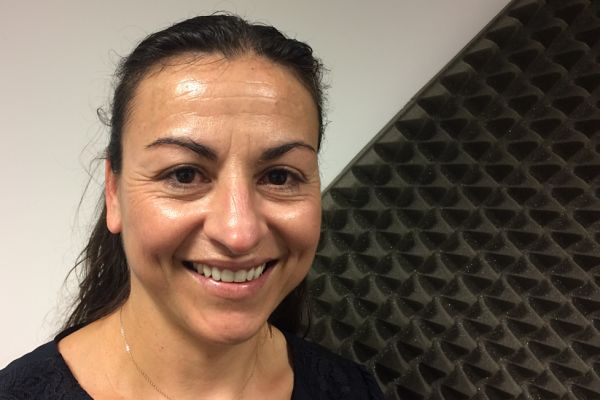
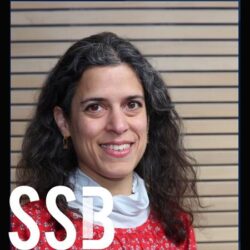
Amid all the hand-wringing about kids and the damage smartphones are doing them, child psychologist Ioanna Palaiologou is upbeat. “I don’t think,” she says, “we should worry as much as the media is making it. … If the elements are there, it’s another toy for them.”
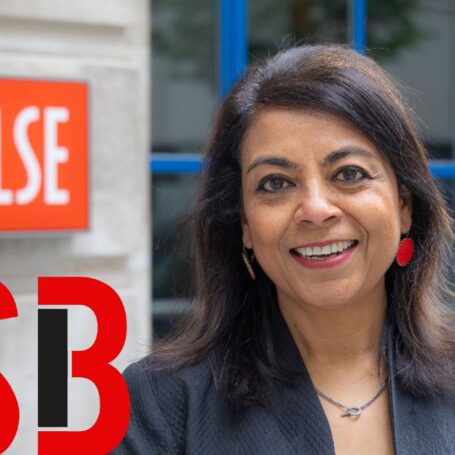
Palaiologou, an associate at the Institute of Education, University College London’s Centre for Leadership in Learning, has the background to make a judgment in that regard. Among other things, she’s an expert on children and play, as she explains in this Social Science Bites podcast.
Play, she explains, is innate – “we are mammals, and mammals do play” – necessary and ultimately informal, she tells interviewer Dave Edmonds. That doesn’t meant there won’t be rules, but that the wellspring of play in bottom-up, from children, and not top-down, from adults. “Play cannot be initiated by adults. It can be supported by adults, it can be facilitated by adults, but cannot be initiated by adults, in my view. Play can only be initiated by children.”
This doesn’t mean play is anarchy, or even that all play is the same. Palaiologou has identified five types of play — physical, with objects, symbolic (such as drawing), pretending/dramatic, and games with rules – and adults may have a role. But that role is not dominant: “Instruction is fine, but we actually need play to interact with the environment and to make sense of the world with our own senses, our own minds, and to internalize that.”
In the discussion, Palaiologou and Edmonds also talk about cultural differences in play and how it is a vital part of children’s emotional development. All work and no play, it seems, does more than make Jack a dull boy.
Palaiologou has spent more than two decades studying education and early childhood in the United Kingdom and is a chartered psychologist of the British Psychological Society and is the treasurer (and past chair) or the British Educational Studies Association. She is the co-director of Canterbury Educational Services where she is head of children’s services.
She’s published widely on early childhood, including authoring last year’s third edition of Child Observation: A Guide for Early Childhood and editing Early Years Foundation Stage: Theory and Practice and Doing Research in Education: Theory and Practice (the latter with David Needham and Trevor Male).
To download an MP3 of this podcast, right-click HERE and save.
***
For a complete listing of past Social Science Bites podcasts, click HERE. You can follow Bites on Twitter @socialscibites and David Edmonds @DavidEdmonds100.