Understanding The Most Widely Used Occupational Therapy Measure
The greatest value of research is the positive impact it has on society. Academically driven insights and discoveries influence and inform policy, practice and public life. This is the first in a series of blog posts looking at seminal academic articles from a collection — SAGE Inspire — curated by SAGE Publishing’s journal editors, who based their nominations on the content’s real-world impact.
An assessment of the real-world impact of …
“The Canadian Occupational Performance Measure: An Outcome Measure for Occupational Therapy”
by Mary Law, Sue Baptiste, MaryAnn McColl, Anne Opzoomer, Helene Polatajko, and Nancy Pollock
The Canadian Association of Occupational Therapists, in collaboration with Health and Welfare Canada have developed and published a conceptual model for occupational therapy, the Occupational Performance model. This paper describes the development of an outcome measure, the Canadian Occupational Performance Measure (COPM), which is designed to be used with these guidelines for client-centred clinical practice. The COPM is an outcome measure designed for use by occupational therapists to assess client outcomes in the areas of self-care, productivity and leisure. Using a semi-structured interview, the COPM is a five-step process which measures individual, client-identified problem areas in daily function. Two scores, for performance and satisfaction with performance are obtained.
Canadian Journal of Occupational Therapy, Volume 57, Issue 2 (April 1990)
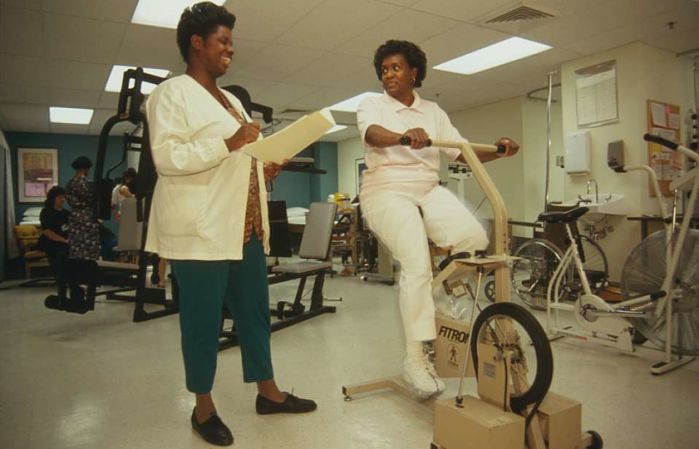
The Canadian Journal of Occupational Therapy played a key role in launching the Canadian Occupational Performance Measure, or COPM, which has become an assessment with major real-world impact. The article, “The Canadian Occupational Performance Measure: An Outcome Measure for Occupational Therapy” by Mary Law, Sue Baptiste, MaryAnn McColl, Anne Opzoomer, Helene Polatajko, and Nancy Pollock, first presented this important measure.
COPM, designed to assist and facilitate client-centered clinical practice, was created by a group of occupational therapy academics and practitioners. Noticing how other available assessments did not take certain factors into consideration, such as environmental and role dynamics, the OT community felt it was time to develop a new tool.
Since its inception, more than 40 countries across healthcare professions now use the measure, and as such is the most widely used occupational therapy measure in the world. The article has received 490 citations according to CrossRef and has been cited, according to Google Scholar, 843 times.
The foundation of this measure relies on the client playing a key role in the therapeutic process, where the therapist and the individual – sometimes the caregiver, as well – work together to outline goals, facilitate treatment and assess the outcome(s). Areas of focus can range from bathing, feeding, mobility, managing finances, holding a job, recreation activities, socialization and more. One of the main considerations is the client’s expectations and appreciation of his or her performance, which is one of the reasons why this measure is so popular.
The COPM was developed as a tool to support clients’ engagement in their therapy and as a measure that is easy to administer with straightforward, clear formatting guidelines. Please read the article here and visit the website for additional information.
Acknowledgments
Thank you to Jane Davis, Julie Lapointe, and Helene Polatajko for their input.