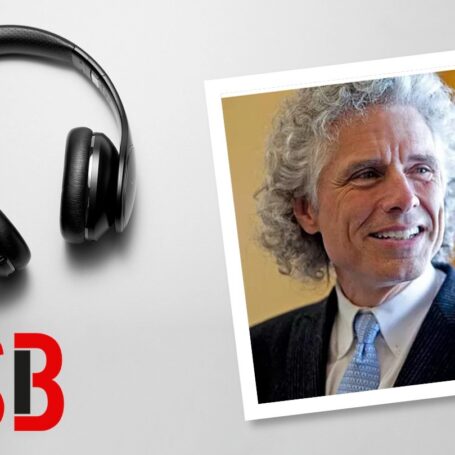
Video: Polarization During COVID-19
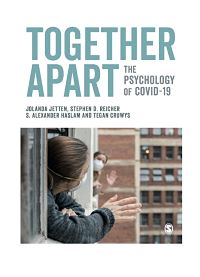
What might be one of the most severe effects of the pandemic. According to two psychologists who contributed to the book Together Apart: The Psychology of COVID-19, for societies already damaged by rampant us-versus-them conflicts, a polarized response to the disease could serve as a “tipping point” for even greater deficits in solidarity.
In this video, one of the editors of the book, Jolanda Jetten, professor of social psychology and Australian Laureate Fellow at the University of Queensland, questions two postdoctoral research fellows at the University of Queensland, Hema Preya Selvanathan and Charlie Crimston, who wrote the chapter on polarization that appears in Together Apart.
The discussion opens with a definition of polarization, which Crimston described as conflicts within a society over moral standards and values and what precedence to give them. Polarization arises over “what best represents what it means to be ‘one of us.’” The divisions that result are so potent, she continues, because of how central moral values are to how we define ourselves.
Crimston notes that while the coronavirus and COVID-19 are not moral issues, around the world they quickly took on that cast and so saw polarization surround the response to the disease or even its underlying reality.
Selvanathan then addresses how polarization played out in the framing of different leadership responses – and how that hampered addressing the very real biological and social threats the disease poses. “People are now dealing with the virus through the lens of their political identities and not at a more general level that we should do this together for the sake of everyone, and so that make the threat worse.”
Near what we now know to be the lengthy saga of the COVID-19 pandemic, four psychologists collaborating remotely put together the edited volume Together Apart in record time for SAGE Publishing (which released the entire book for free download on Social Science Space in May).
Those authors – Jetten; Stephen Reicher, Wardlaw Professor of Psychology at the University of St. Andrews; S. Alexander Haslam, professor of psychology and Australian Laureate Fellow at the University of Queensland; and Tegan Cruwys, senior research fellow at the Australian National University – were working at warp speed for a serious academic endeavor.
Now, in the dawn of 2021, they are revisiting their work and that of their contributors in a series of seven videos in which they talk with the academics who wrote edited volume’s various chapters
Further videos in the series will appear on Wednesdays for the next four weeks.
The series so far:
Social influence during COVID-19 | Alex Haslam, Nik Steffens, Matthew Hornsey and Frank Mols
Improving the Response to COVID-19 | Jolanda Jetten and Jack Dovidio