We Asked for Impactful Social Science. The World Responded
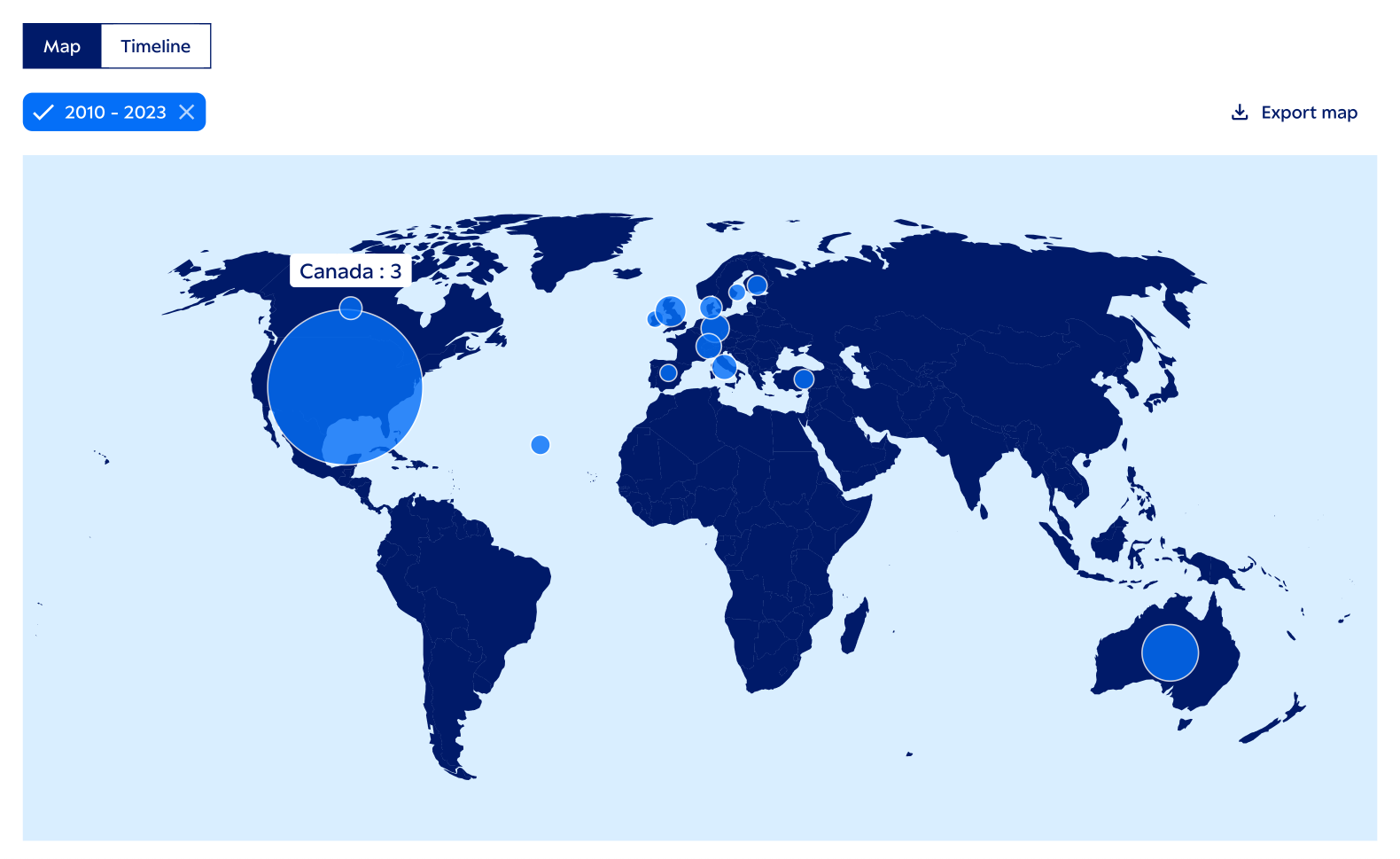
Our debut writing contest for impactful social and behavioral research drew entries from around the globe, both institutionally and where fieldwork occurred. With entries ranging from Albania to New Zealand, we saw no lack of desire from practicing researchers to share the exciting news that their work matters in “real life.”
The contest asked researchers to explain, in between 500 to 1,000 words, how their work has made a difference in a way that the public or policymakers could appreciate. (Contestants could also have entered in audio or video formats, but only one clearly non-writing project, a PowerPoint, came in.) Entries were judged on four criteria: the research itself, its impact, its wider applicability, and the writing skill shown in the article. The contest is part of a larger initiative by SAGE Publishing, the parent of Social Science Space, to demonstrate, measure and promote impact in and around social science.
Winners receive a cash prize and Social Science Space will publish their articles.
Four articles received the top prize, two of them focusing on education research. One of those, by Cheryl Durwin and Dina Moore of Southern Connecticut State University, looked at using ‘dialogic reading’ to improve literacy among preschoolers from poor households, while Lynn Thigpen, director of The Wisdom Project, examined ending illiteracy among adults in Cambodia.
Two other winners looked at groups that could be considered outsiders. Based on research in Austria, Maria Kreuzer of the International University of Monaco, Hans Mühlbacher, research director at IUM, and Sylvia von Wallpach at the Copenhagen Business School looked at how receiving countries can make immigrants feel they ‘belong’ sooner, while two doctors with Britain’s NHS (National Health Service) Trust, Ian Male and William Farr, examined how to better assess children who may have autism.
We also are giving two awards of merit, one to Sokol Lleshi of University of New York – Tirana discussing polarized societies, and the other to Luiz Valério P. Trindade, a graduate of the University of Southampton , on how humor often is used hurtfully in Brazilian social media.