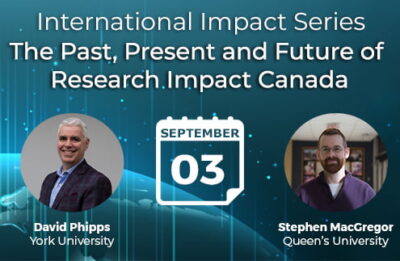


Could Distributed Peer Review Better Decide Grant Funding?
The landscape of academic grant funding is notoriously competitive and plagued by lengthy, bureaucratic processes, exacerbated by difficulties in finding willing reviewers. Distributed […]

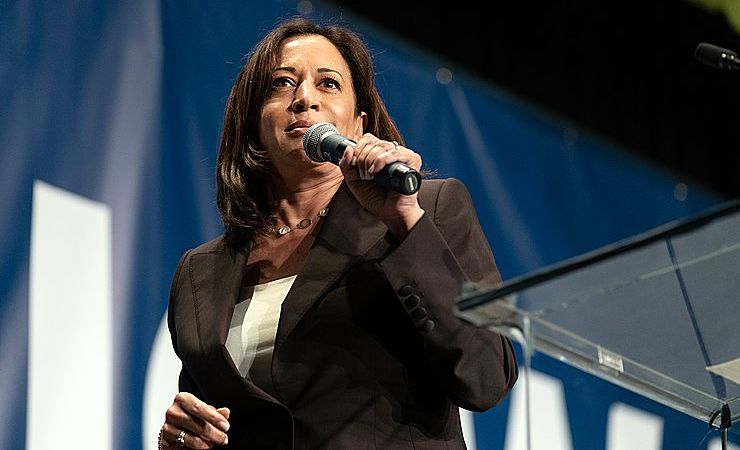
A free chapter from ‘Why Don’t Women Rule the World? Understanding Women’s Civic and Political Choices’ explores political ambition among women – a key talking point since the selection of Kamala Harris as a vice presidential candidate.

Will the recent wave of youth activism in protesting racial injustice translate into higher turnout rates in the 2020 U.S. presidential election? […]
While hopes for a medical answer to the current COVID-19 remain strong, the reality is that social, behavioral and economic science drives […]
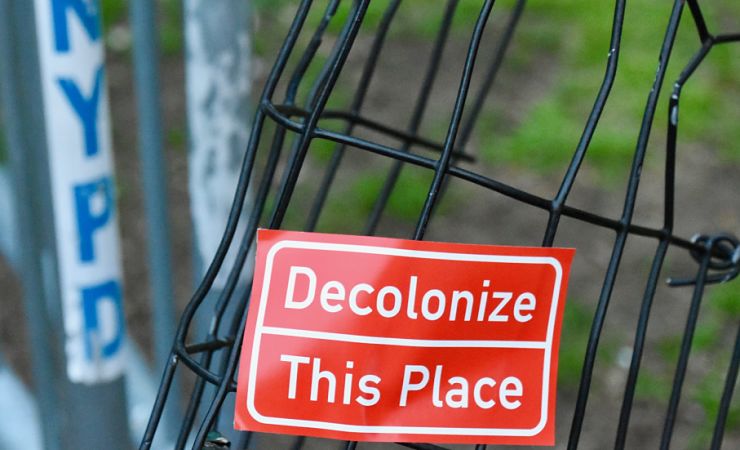
In this free one-hour webinar, public sociologist Rodney Coates, professor of global and intercultural studies and coordinator for Black World Studies at Miami University, Ohio, will outline his 12 steps for accomplishing decolonization on the university.

Sociologist Kathy Charmaz, whose experience as an occupational therapist led her to develop a new take on the qualitative research methodology known as grounded theory, died of cancer on July 27. A professor emerita at Northern California’s Sonoma State University, she was 80.
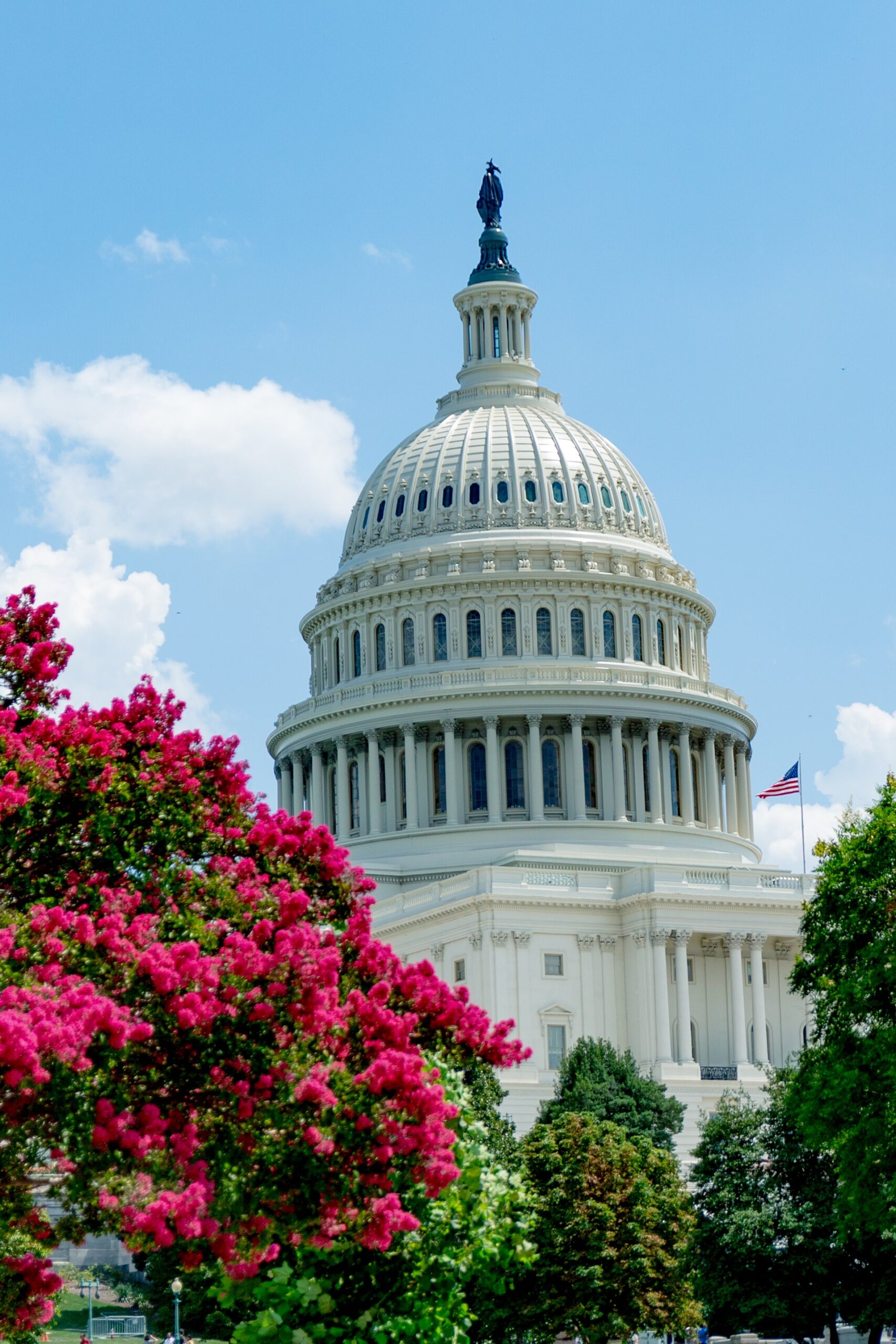
This week the Appropriations Committee of the U.S. House of Representatives approved the budget bill that includes funding for the National Science Foundation. The Commerce, Justice, Science Appropriations Act (CJS) proposes increasing funding for the NSF — which is the largest source of research funding for university social and behavioral science in the United States – by $270 million above the current year’s appropriation.
The University of Buckingham, in association with the Higher Education Policy Institute, in bringing the fifth festival of Higher Education online with […]
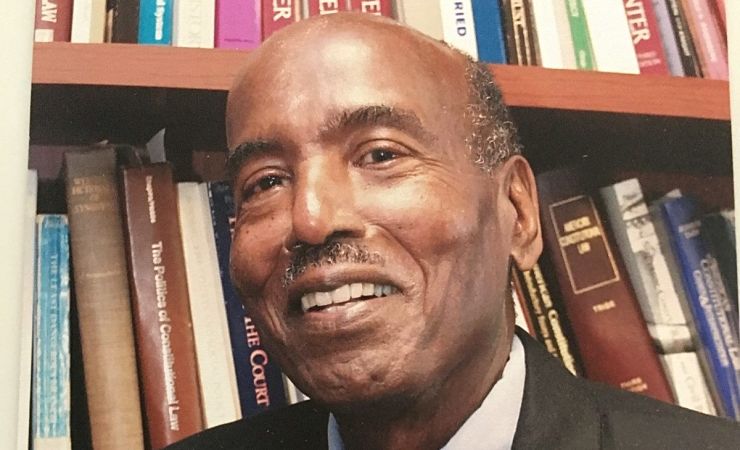
Political scientist Lucius Barker, a pioneering African-American academic whose influence in fields like constitutional law and civil liberties has been amplified by the high-profile leaders he mentored, died on June 21. He was 92.


Jürgen Habermas, a globally known social theorist whose explorations of democracy, validity and communication have gained new prominence in the current moment, […] People often see science as a world apart: cool, rational and untouched by persuasion or performance. In this view, scientists simply discover […] “Research impact” means different things to different people. Some refer broadly to how science changes behaviors, beliefs, or practices outside academic institutions. […] David Canter considers informal places where people socialize, suggesting they’re an arena ChatGPT and other LLMs can’no’t replicate. As someone who lives […] It’s become cliche since Clive Humbly coined it in 2006, but data is indeed the new oil. It’s a mantra repeated by […] In September 2025, The Guardian reported about a lawyer in Australia having faced sanctions due to false citations. These citations were not […]
EXPLORE
Impact

Jürgen Habermas, 1929-2026: Exponent of the Public Sphere
READ MORE

Scientists Should Keep in Mind It’s Called the ‘Marketplace of Ideas’ for a Reason
READ MORE

Survey Finds Social Scientists Feel Unsupported in Seeking Societal Impact
READ MORE
Innovation

Reaching Parts to Which AI Has No Access
READ MORE

Andrea Medina-Smith on Making Research Data More FAIR
READ MORE

A Status Check on Hallucinated Case Law Incidents
READ MORE