

Could Distributed Peer Review Better Decide Grant Funding?
The landscape of academic grant funding is notoriously competitive and plagued by lengthy, bureaucratic processes, exacerbated by difficulties in finding willing reviewers. Distributed […]

In the hour-long recorded conversation with Social Science Space editor Michael Todd, COSSA’s Wendy Naus discusses what individual social science scholars, students and their academic societies can do if they feel threatened by the currents in Washington, D.C.
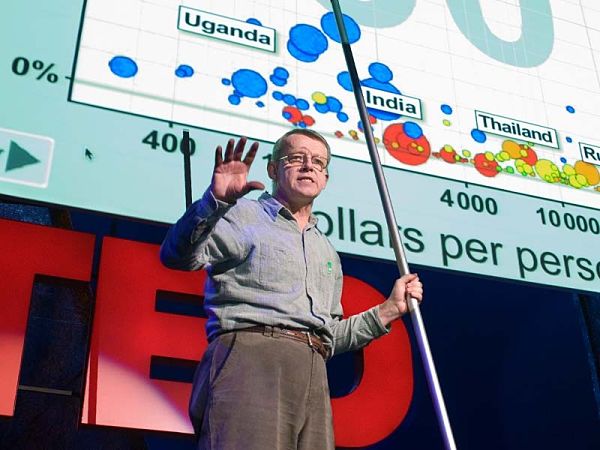
Hans Rosling, a epidemiologist whose gained global attention with twin messages of the power of stats and of hope, has died.

With a large portion of social and behavioral science basic research paid for by the United States government, how the funding process works and who makes the decisions is of vital interest. Here’s a primer on the process and list of key players in the 115th Congress. Plus, sign up for a webinar on the issue!

Anthony King, a political scientist whose career ranged from the most serious of scholarship to popular explanation on the BBC, has died at 82.
How do we decide what is a world-class university? Who decides? How do they decide? In this free webinar, the role of […]
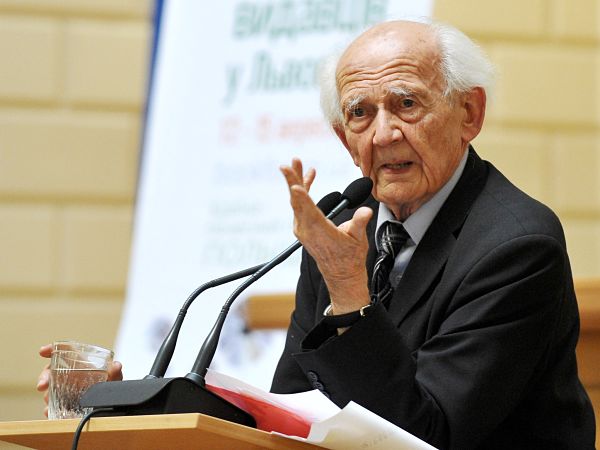
Zygmunt Bauman, a Polish-born sociologist and social theorist whose influential work examined the intertwined themes of globalization, consumerism and modernity, has died at age 91.

Legislation that sets policy for the National Science Foundation has been signed by President Obama. The bill no longer includes funding restrictions on social science but does include language that has been used in the past to attack the disciplines.
Ten years ago, the National Institute for Health’s Office of Behavioral and Social Sciences Research (OBSSR) started an annual event to commemorate […]

The Royal Swedish Academy of Sciences has awarded this year’s Nobel Prize in Economic Sciences to the American economists Robert E. Hall […] Four Americans working in the social and behavioral sciences are among the 20 people named MacArthur Fellows this year. Recipients may be […] Euan Adie, the founder of Altmetric and later of Overton, discusses the reasons the led to Overton’s focus on showing researchers how […] The following is an adapted extract from The Cultural Industries, fifth edition, by David Hesmondhalgh. The increasing presence of information technology (IT) […] Developers of AI data centers have a public trust problem. According to multiple surveys, a majority of Americans say they would oppose […] I was adding some final flourishes on the topic of ‘iatrocracy’ to my forthcoming book with Natewindé Sawadogo – Sickness and Social […]
EXPLORE
Impact
Economic Peaks, Troughs and This Year’s Nobelists in Economics
READ MORE
Four From Social Science World Receive 2026 MacArthur Fellowships
READ MORE

Quick Insight: Euan Adie on Getting Academics Credit for Their Impact
READ MORE
Innovation
IT Giants and Their Operations: Should We Be Concerned?
READ MORE

What We Miss When We Study Public Trust with Surveys Alone
READ MORE

AI and ‘Iatrocracy’ – A Cautionary Tale
READ MORE