

Could Distributed Peer Review Better Decide Grant Funding?
The landscape of academic grant funding is notoriously competitive and plagued by lengthy, bureaucratic processes, exacerbated by difficulties in finding willing reviewers. Distributed […]

How virtual reality platforms respond, and how they protect users and their data, that will ensure the metaverse is a force for good, not the opening of a door to a malevolent underworld.

The United States has formally established the Advanced Research Project Agency for Health, or ARPA-H, as an independent entity within the National Institutes of Health. Anthropologist Adam H. Russell will head the new agency as acting deputy director
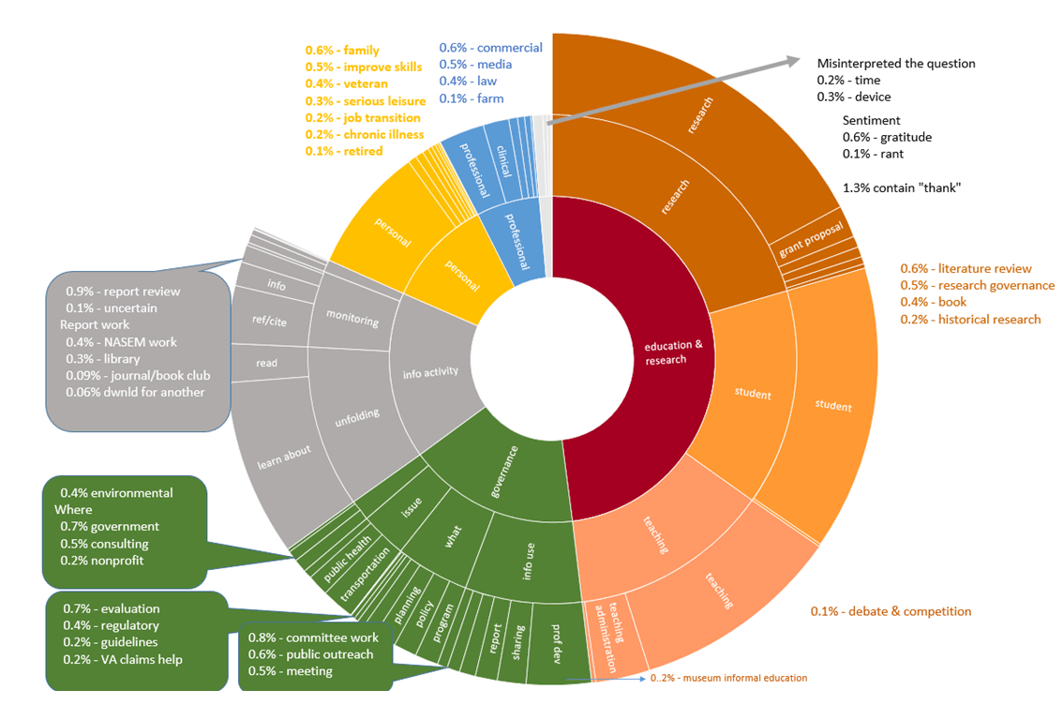
Drawing on a dataset covering over a million user comments about their use of US National Academies consensus study reports, Ameet Doshi, Diana Hicks, Matteo Zullo and Omar I. Asensio find widespread use of open research in the public sphere.
In this first response to Ziyad Marar’s thought piece “On Measuring Social Science Impact,” professor Sue Fletcher-Watson, who represents a field where the direct purpose is to improve the quality of life for a group of individuals, shares why current metrics fall short and what we can do about it.

On Measuring Social Science Impact: An Excerpt and Responses The following essay by Ziyad Marar is adapted from “On Measuring Social Science […]
How has the COVID-19 pandemic impacted science research itself, but also how Americans view science in their daily lives? The Pew Research […]

the authors’ research finds that, far from being immune to the conditions they treat in others, psychologists grapple with mental health difficulties or illnesses just as much as their patients do.
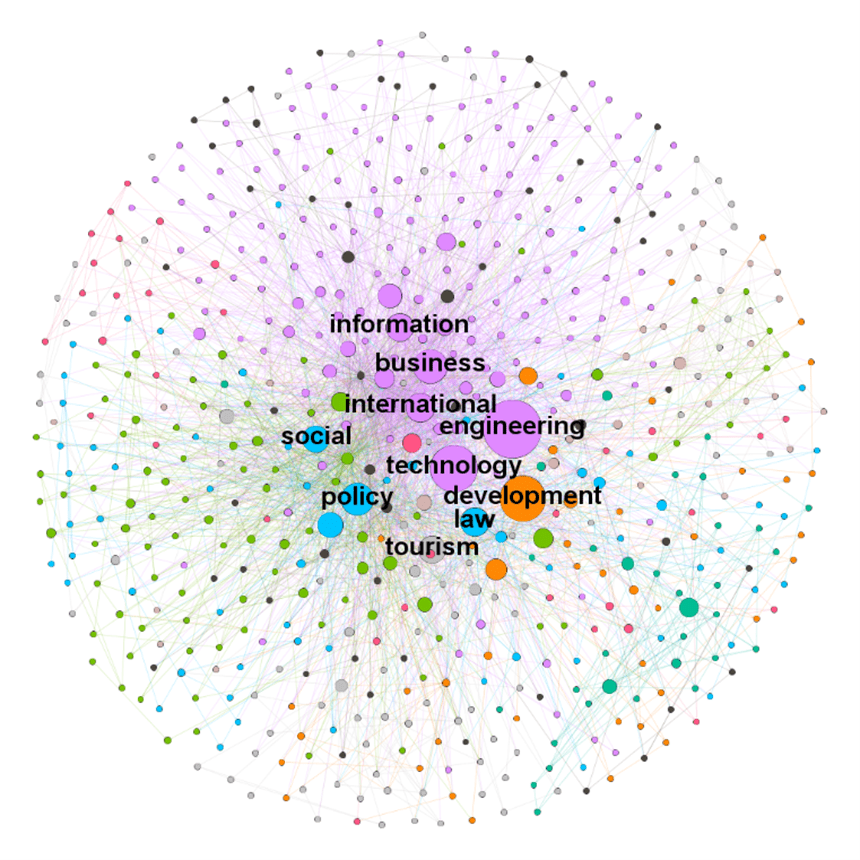
Using a dataset of journals from the field of business, management, and accounting research, Julián D. Cortés explores how the title and aims and purposes varies across journal, prestige, geography and publication model.


Jürgen Habermas, a globally known social theorist whose explorations of democracy, validity and communication have gained new prominence in the current moment, […] People often see science as a world apart: cool, rational and untouched by persuasion or performance. In this view, scientists simply discover […] “Research impact” means different things to different people. Some refer broadly to how science changes behaviors, beliefs, or practices outside academic institutions. […] David Canter considers informal places where people socialize, suggesting they’re an arena ChatGPT and other LLMs can’no’t replicate. As someone who lives […] It’s become cliche since Clive Humbly coined it in 2006, but data is indeed the new oil. It’s a mantra repeated by […] In September 2025, The Guardian reported about a lawyer in Australia having faced sanctions due to false citations. These citations were not […]
EXPLORE
Impact

Jürgen Habermas, 1929-2026: Exponent of the Public Sphere
READ MORE

Scientists Should Keep in Mind It’s Called the ‘Marketplace of Ideas’ for a Reason
READ MORE

Survey Finds Social Scientists Feel Unsupported in Seeking Societal Impact
READ MORE
Innovation

Reaching Parts to Which AI Has No Access
READ MORE

Andrea Medina-Smith on Making Research Data More FAIR
READ MORE

A Status Check on Hallucinated Case Law Incidents
READ MORE