



Could Distributed Peer Review Better Decide Grant Funding?
The landscape of academic grant funding is notoriously competitive and plagued by lengthy, bureaucratic processes, exacerbated by difficulties in finding willing reviewers. Distributed […]

Kate Winslet’s biopic of Lee Miller, the pioneering woman war photographer, raises some interesting questions about the ethics of fieldwork and their […]
In a ‘Dear Colleague’ letter released September 9, the NSF issued a ‘request for information,’ or RFI, from those interested in research ethics.
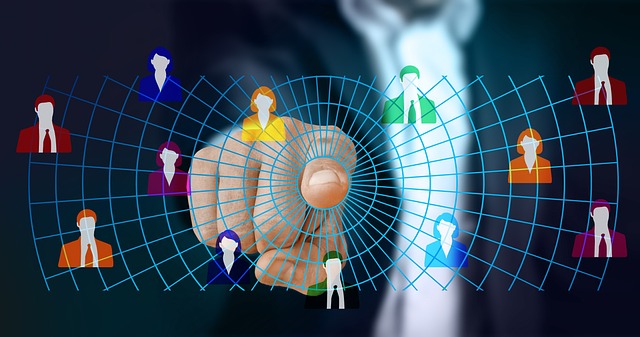
The double-blind review process, adopted by many publishers and funding agencies, plays a vital role in maintaining fairness and unbiasedness by concealing the identities of authors and reviewers. However, in the era of artificial intelligence (AI) and big data, a pressing question arises: can an author’s identity be deduced even from an anonymized paper (in cases where the authors do not advertise their submitted article on social media)?

The claim that academics hype their research is not news. The use of subjective or emotive words that glamorize, publicize, embellish or exaggerate results and promote the merits of studies has been noted for some time and has drawn criticism from researchers themselves. Some argue hyping practices have reached a level where objectivity has been replaced by sensationalism and manufactured excitement. By exaggerating the importance of findings, writers are seen to undermine the impartiality of science, fuel skepticism and alienate readers.
Jasper Knight identifies five key issues that underlie working with human subjects in research and which transcend institutional or disciplinary differences.
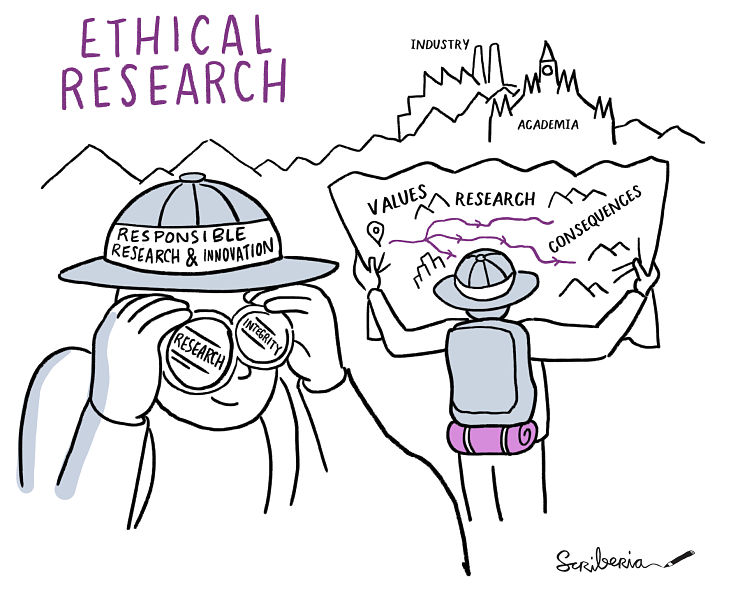
Stefan de Jong, Michael J. Bernstein and Ingeborg Meijer describe their work developing a tool that helps researchers and research funders to incorporate responsible research and innovation values into their work.
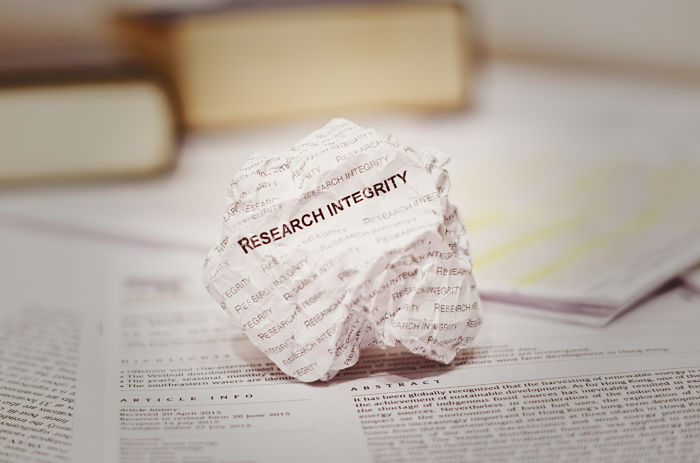
Robert Dingwall asks if claims about the effectiveness of face masks in stopping COVID consistent with current standards of research integrity.
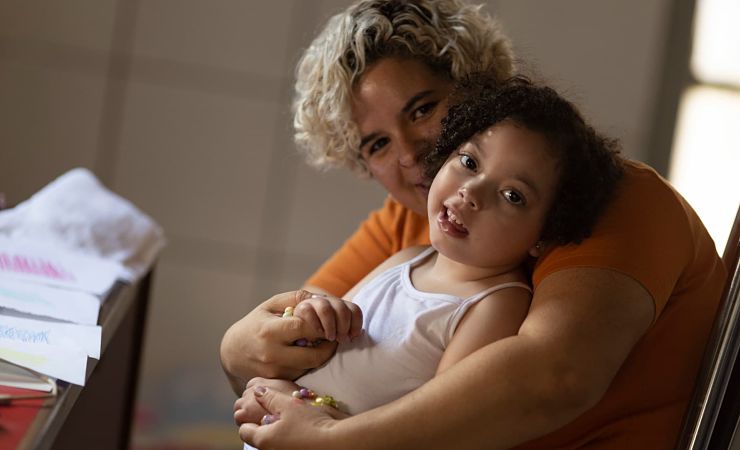
“We feel diminished,” says Alessandra Hora dos Santos. “It’s like we were lab rats. They come in nicely, collect information, collect exams on the child, and in the end we don’t know of any results. It’s like we are being used without even knowing why that is being done.”
Jürgen Habermas, a globally known social theorist whose explorations of democracy, validity and communication have gained new prominence in the current moment, […] People often see science as a world apart: cool, rational and untouched by persuasion or performance. In this view, scientists simply discover […] “Research impact” means different things to different people. Some refer broadly to how science changes behaviors, beliefs, or practices outside academic institutions. […] David Canter considers informal places where people socialize, suggesting they’re an arena ChatGPT and other LLMs can’no’t replicate. As someone who lives […] It’s become cliche since Clive Humbly coined it in 2006, but data is indeed the new oil. It’s a mantra repeated by […] In September 2025, The Guardian reported about a lawyer in Australia having faced sanctions due to false citations. These citations were not […]
EXPLORE
Impact

Jürgen Habermas, 1929-2026: Exponent of the Public Sphere
READ MORE

Scientists Should Keep in Mind It’s Called the ‘Marketplace of Ideas’ for a Reason
READ MORE

Survey Finds Social Scientists Feel Unsupported in Seeking Societal Impact
READ MORE
Innovation

Reaching Parts to Which AI Has No Access
READ MORE

Andrea Medina-Smith on Making Research Data More FAIR
READ MORE

A Status Check on Hallucinated Case Law Incidents
READ MORE