
Could Distributed Peer Review Better Decide Grant Funding?
The landscape of academic grant funding is notoriously competitive and plagued by lengthy, bureaucratic processes, exacerbated by difficulties in finding willing reviewers. Distributed […]
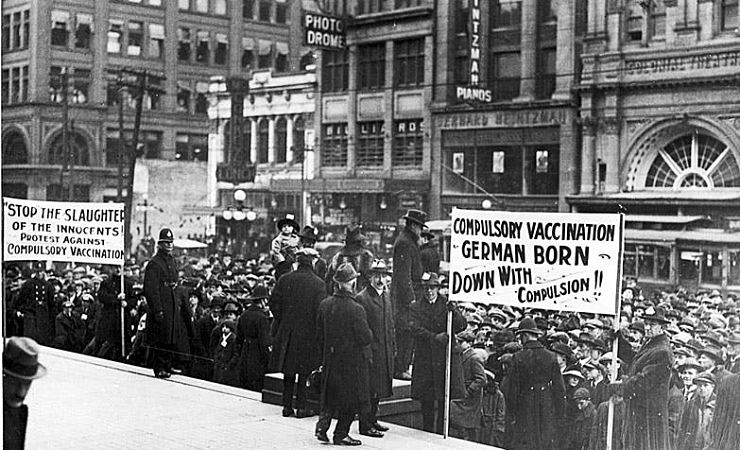
David Canter considers the tragic implications of people not understanding what they are told by politicians and experts.
It is possible that we could abolish death by COVID, argues Robert Dingwall, by continuing the restrictions of 2020 indefinitely – the problem, of course, is that we would simply die from something else.
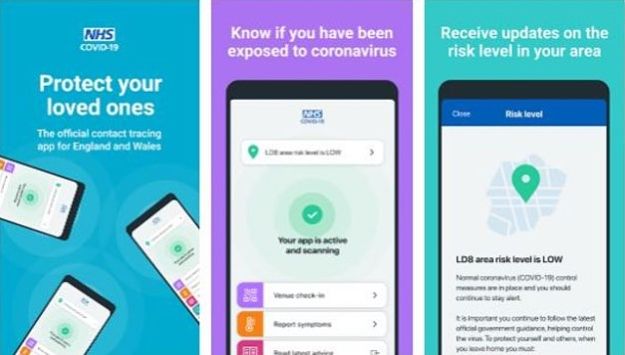
The saga of the UK’s contact tracing app(s) should be an object lesson in how not to approach the use of technology in public policy – and why politicians in particular need to step back and rethink their approach to technology, and in particular to privacy.
In the lead-up and first days of his administration, the new U.S. president has made – or been presented – several moves that support social and behavioral science, including creating the nation’s highest ever advisory position with a specifically social science portfolio.
Rules still apply, even when demagogues and populists are in power. What’s more, transgressions and discursive shifts happen slowly, frequently unnoticed. But words lead to deeds!

“Can Democracy Survive Growing Inequality?” will be presented on January 14 as an online panel discussion, moderated by David Leonhardt of The New York Times and featuring the five scholars elected to the American Academy of Political and Social Science as 2020 fellows.
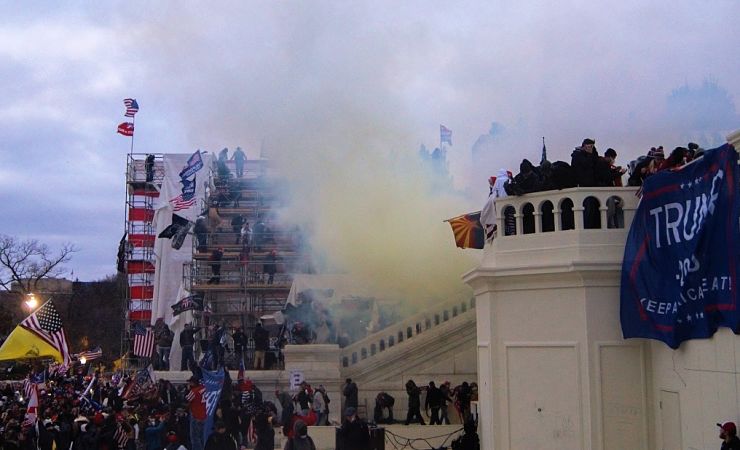
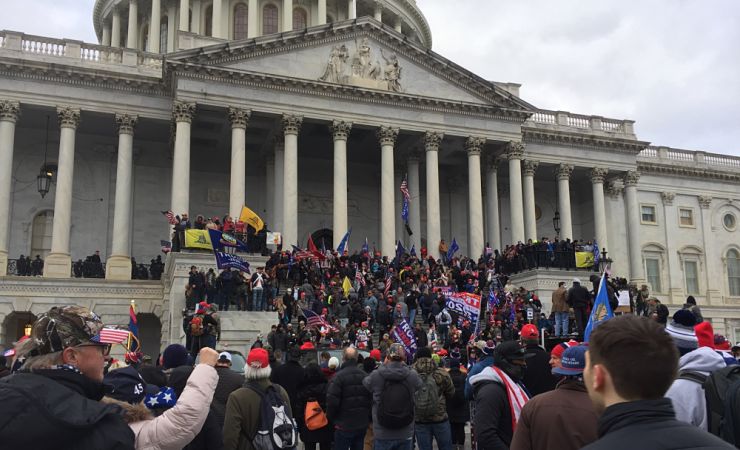
David Canter considers what the mob attack on the U.S. Capitol in Washington tells us about the power inherent in a crowd.

In December, the Consortium of Social Science Associations, an umbrella organization that has served as a united voice in Washington, D.C. for […]
Jürgen Habermas, a globally known social theorist whose explorations of democracy, validity and communication have gained new prominence in the current moment, […] People often see science as a world apart: cool, rational and untouched by persuasion or performance. In this view, scientists simply discover […] “Research impact” means different things to different people. Some refer broadly to how science changes behaviors, beliefs, or practices outside academic institutions. […] David Canter considers informal places where people socialize, suggesting they’re an arena ChatGPT and other LLMs can’no’t replicate. As someone who lives […] It’s become cliche since Clive Humbly coined it in 2006, but data is indeed the new oil. It’s a mantra repeated by […] In September 2025, The Guardian reported about a lawyer in Australia having faced sanctions due to false citations. These citations were not […]
EXPLORE
Impact

Jürgen Habermas, 1929-2026: Exponent of the Public Sphere
READ MORE

Scientists Should Keep in Mind It’s Called the ‘Marketplace of Ideas’ for a Reason
READ MORE

Survey Finds Social Scientists Feel Unsupported in Seeking Societal Impact
READ MORE
Innovation

Reaching Parts to Which AI Has No Access
READ MORE

Andrea Medina-Smith on Making Research Data More FAIR
READ MORE
A Status Check on Hallucinated Case Law Incidents
READ MORE