Social Science Impact
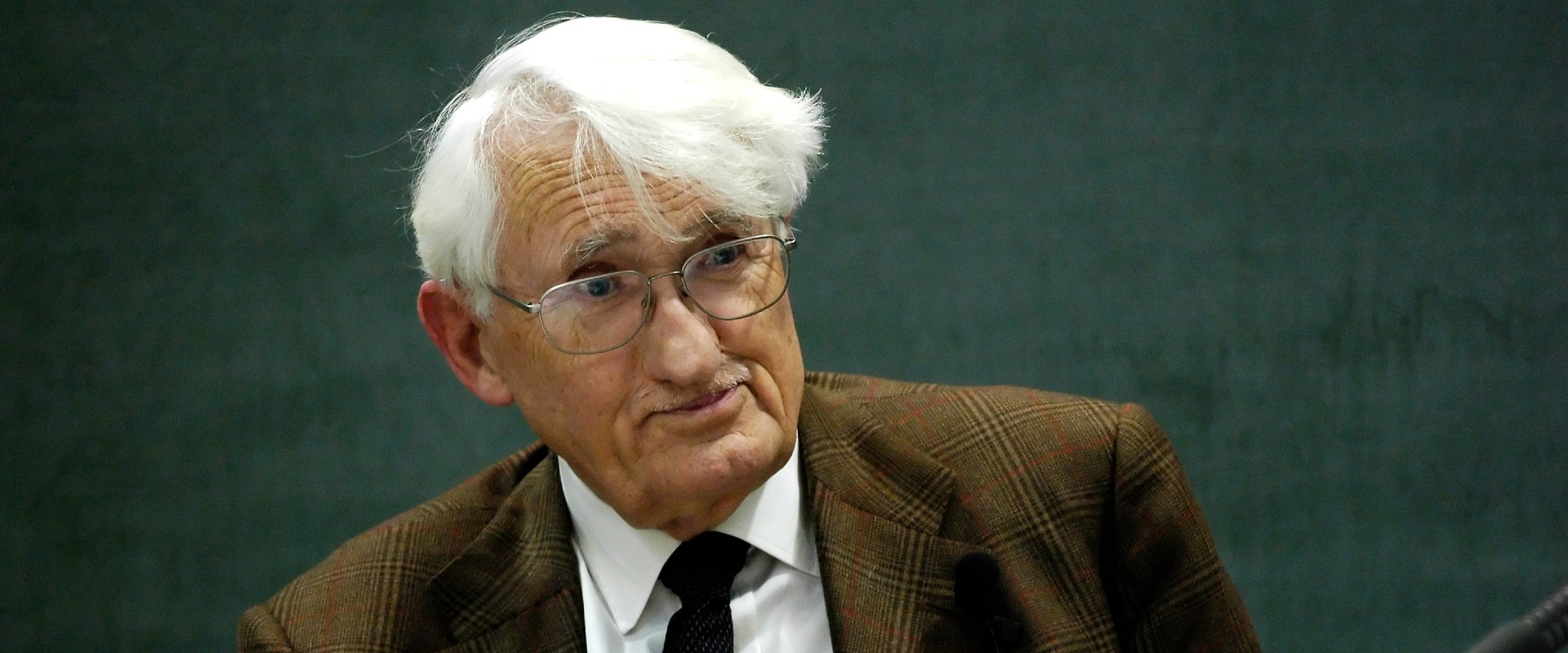
Jürgen Habermas, 1929-2026: Exponent of the Public Sphere
Jürgen Habermas, a globally known social theorist whose explorations of democracy, validity and communication have gained new prominence in the current moment, […]
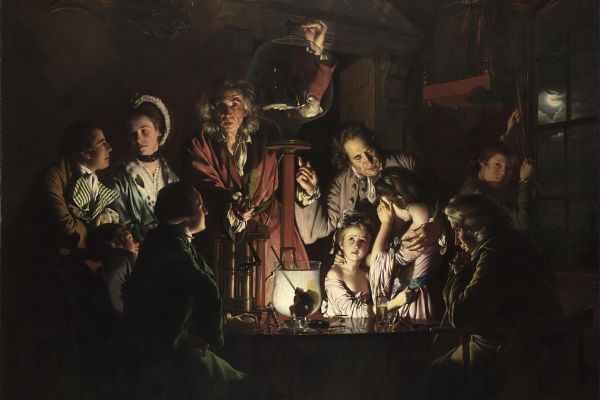
Scientists Should Keep in Mind It’s Called the ‘Marketplace of Ideas’ for a Reason
People often see science as a world apart: cool, rational and untouched by persuasion or performance. In this view, scientists simply discover […]

Survey Finds Social Scientists Feel Unsupported in Seeking Societal Impact
“Research impact” means different things to different people. Some refer broadly to how science changes behaviors, beliefs, or practices outside academic institutions. […]
Canada’s SSHRC Names 2025 Impact Winners
One researcher studies how war affects children, another took a literal worm’s eye view to examine rural development, while two others scrutinized […]
There Is a Cost to Being Honest About Science
When people trust science, they can make better decisions, follow helpful rules and work together on big problems like health, climate change […]

Outstanding Social and Behavioral Scientists Sought for Sage-CASBS Award
Do you know a social or behavioral science researcher whose work resonates across disciplines and which has made a significant impact in […]
Share Your Most Surprising Policy Citation for Chance to Win $500 [Closed]
Please note: this contest has now closed. The winner will be contacted in due course. This November, Sage and Overton invite you to share the unexpected […]
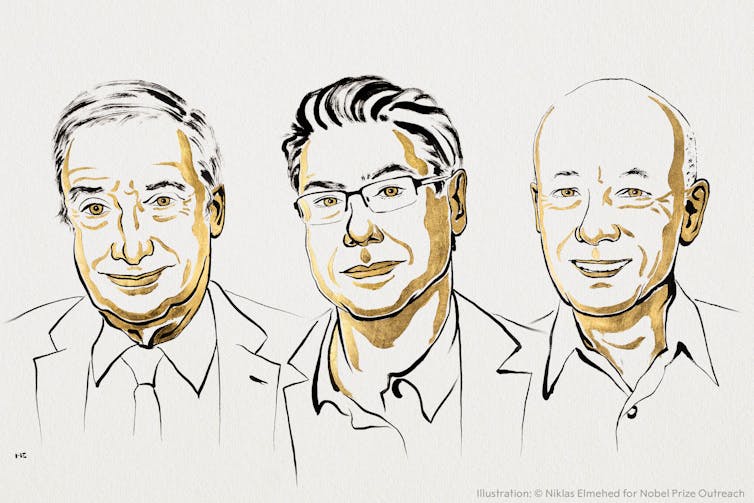
We See Economic Growth Differently Thanks to the 2025 Nobelists in Economics
What makes some countries rich and others poor? Is there any action a country can take to improve living standards for its […]
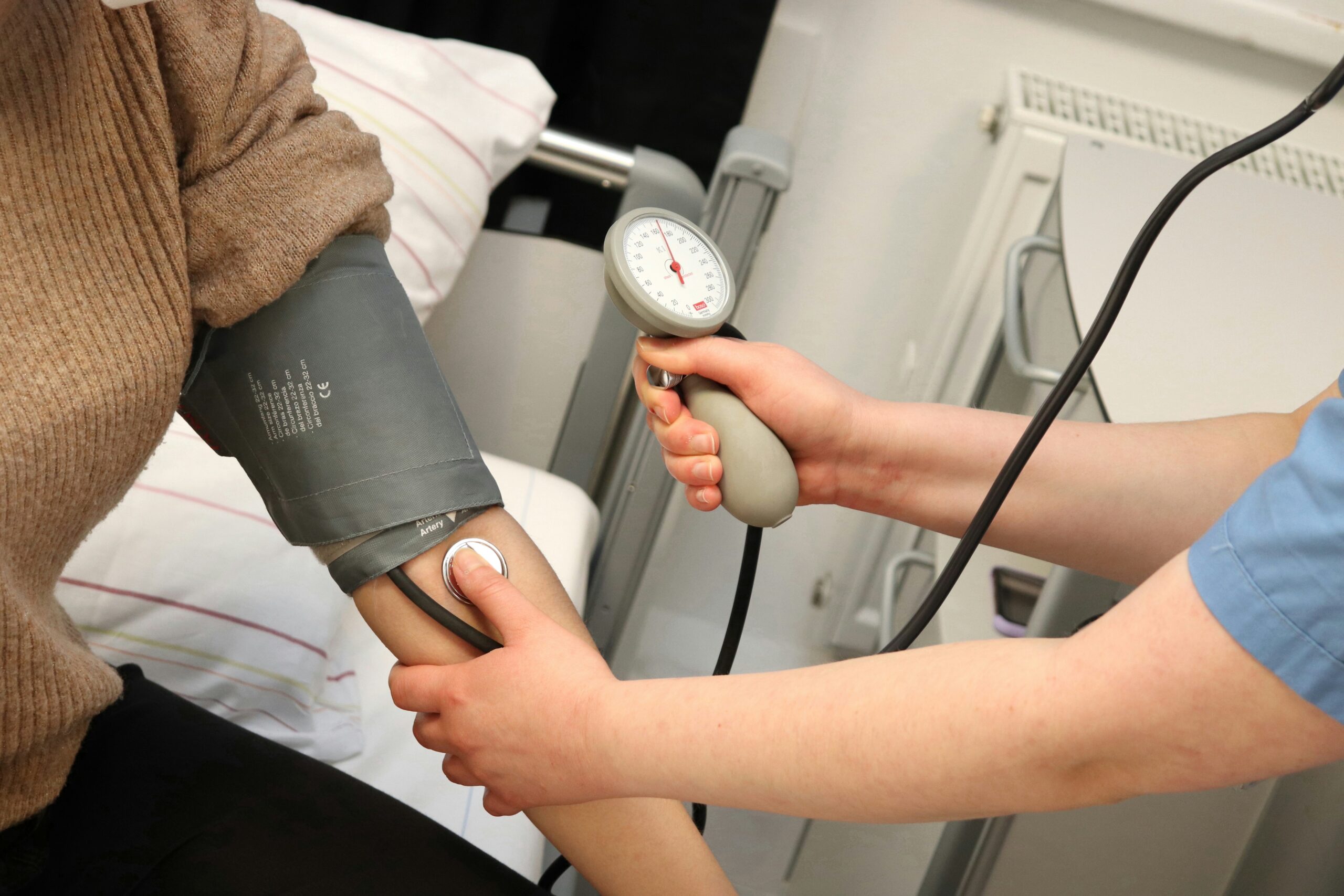
Popular Paper Examines Ensuring Trustworthiness in Qualitative Analysis
“Trust, but verify,” is a Russian proverb that gained prominence during the Cold War during negotiations centered on nuclear arsenals. That idea […]

Examining How Open Research Affects Vulnerable Participants
Open research has become a buzzword in university research, but Jo Hemlatha and Thomas Graves argue that when it comes to qualitative research, considerations around replicability, context-dependent methods and the sensitivity of data from marginalized people mean that openness takes many different forms.
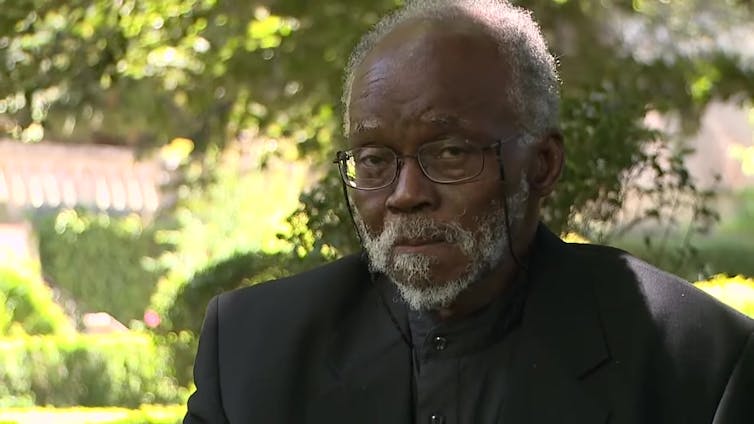
Valentin-Yves Mudimbe, 1941-2025: The Philosopher on the ‘Invention’ of Africa
Congolese thinker, philosopher and linguist Valentin-Yves Mudimbe died on April 21, 2025 at the age of 83. He was in the US, […]
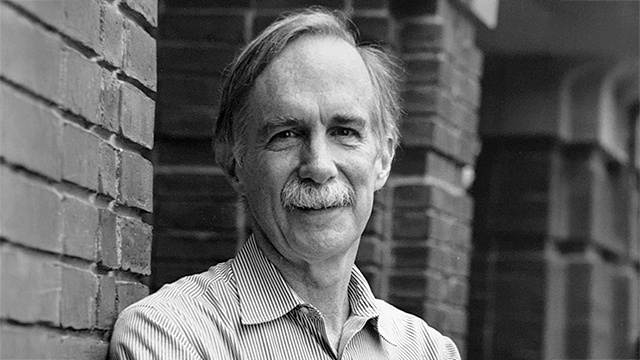
Christopher Jencks, 1936-2025: An Innovative Voice on Inequality
Christopher Jencks, known for his novel and inventive opinions on hot topic issues like income inequality, homelessness, and racial gaps in standardized […]

Long-Term Impact Requires Archiving Research Communication
In recent years there has been an increased focus on how research papers and supplemental data can be preserved openly. Andy Tattersall, Liz Such, Joe Langley and Fiona Marshall argue equal attention should also be paid to curating communication outputs aimed at engaging non-academic audiences.

Michael Burawoy, 1947-2025: Patron Saint of Public Sociology
Michael Burawoy, whose embrace of public sociology and the public at work lead him to describe his influential academic niche as “industrial […]
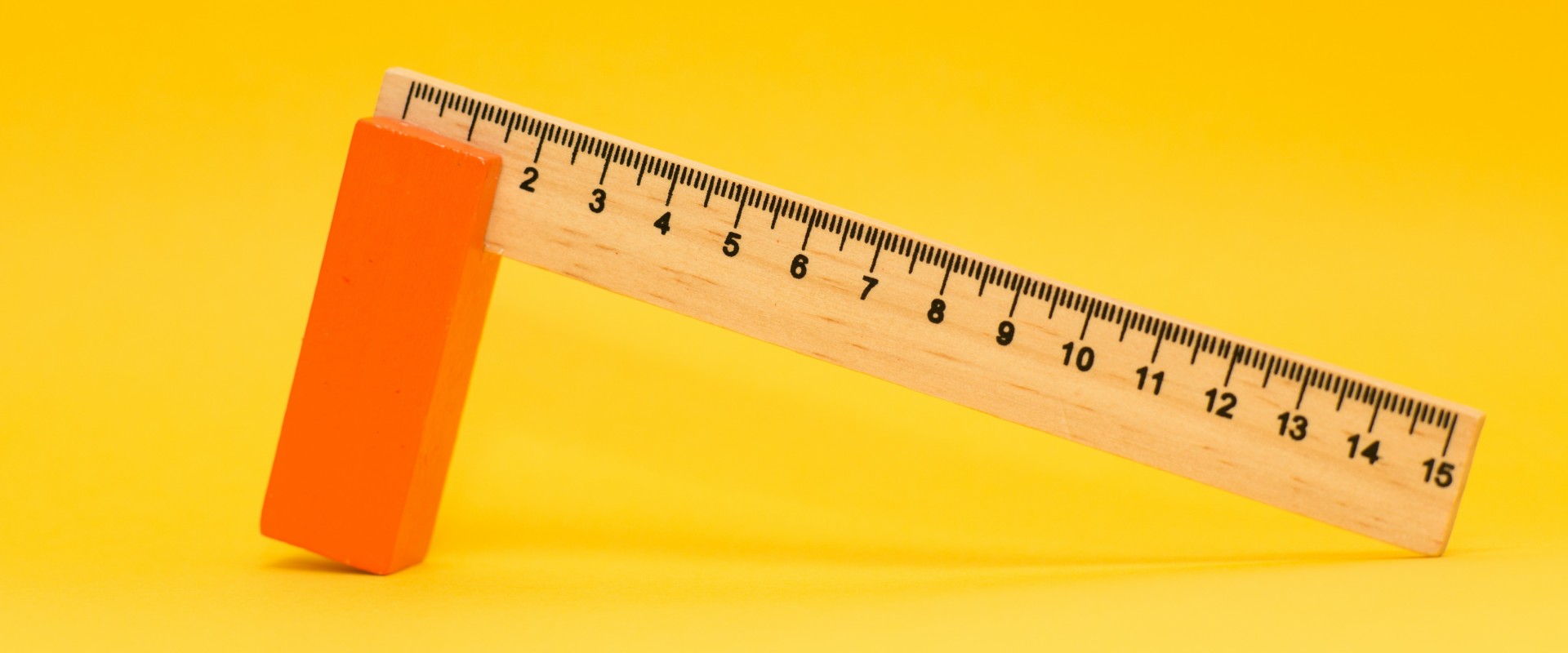
How Research Credibility Suffers in a Quantified Society
To address research credibility issues, we must reform the role of metrics, rankings, and incentives in universities.
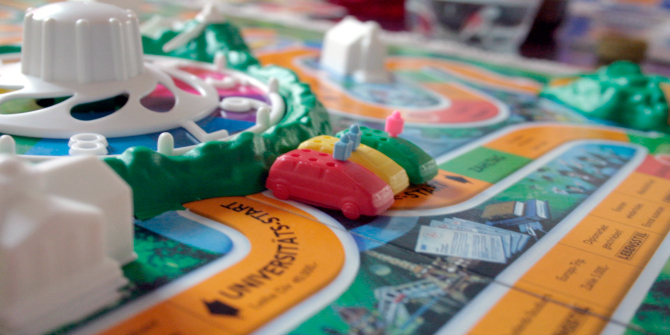
Young Scholars Can’t Take the Field in Game of Academic Metrics
Drawing on discussions with academics who have oriented their work around public engagement and social impact, Daniel Pearson suggests these academics present an opportunity to rethink the existing structures of reward and recognition in higher education.

Canada’s Storytellers Challenge Seeks Compelling Narratives About Student Research
“We are, as a species, addicted to story,” says English professor Jonathan Gottschall in his book, The Storytelling Animal. “Even when the […]
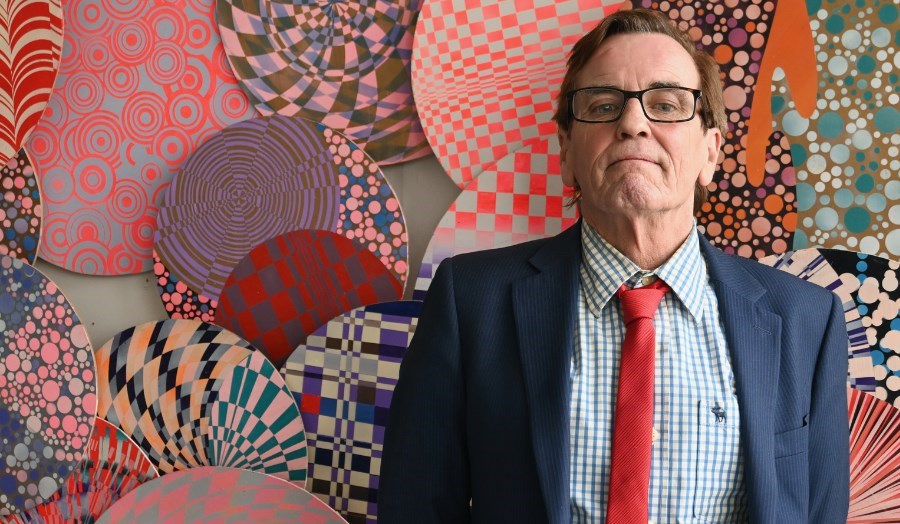
Tom Burns, 1959-2024: A Pioneer in Learning Development
Tom Burns, whose combination of play — and plays – with teaching in higher education added a light, collaborative and engaging model […]

Research Assessment, Scientometrics, and Qualitative v. Quantitative Measures
The creation of the Coalition for Advancing Research Assessment (CoARA) has led to a heated debate on the balance between peer review and evaluative metrics in research assessment regimes. Luciana Balboa, Elizabeth Gadd, Eva Mendez, Janne Pölönen, Karen Stroobants, Erzsebet Toth Cithra and the CoARA Steering Board address these arguments and state CoARA’s commitment to finding ways in which peer review and bibliometrics can be used together responsibly.
Paper to Advance Debate on Dual-Process Theories Genuinely Advanced Debate
Psychologists Jonathan St. B. T. Evans and Keith E. Stanovich have a history of publishing important research papers that resonate for years.
Webinar: Fundamentals of Research Impact
Whether you’re in a research leadership position, working in research development, or a researcher embarking on their project, creating a culture of […]

Paper Opening Science to the New Statistics Proves Its Import a Decade Later
An article in the journal Psychological Science, “The New Statistics: Why and How” by La Trobe University’s Geoff Cumming, has proved remarkably popular in the years since and is the third-most cited paper published in a Sage journal in 2013.

A Milestone Dataset on the Road to Self-Driving Cars Proves Highly Popular
The idea of an autonomous vehicle – i.e., a self-driving car – isn’t particularly new. Leonardo da Vinci had some ideas he […]

Why Social Science? Because It Can Help Contribute to AI That Benefits Society
Social sciences can also inform the design and creation of ethical frameworks and guidelines for AI development and for deployment into systems. Social scientists can contribute expertise: on data quality, equity, and reliability; on how bias manifests in AI algorithms and decision-making processes; on how AI technologies impact marginalized communities and exacerbate existing inequities; and on topics such as fairness, transparency, privacy, and accountability.

Digital Scholarly Records are Facing New Risks
Drawing on a study of Crossref DOI data, Martin Eve finds evidence to suggest that the current standard of digital preservation could fall worryingly short of ensuring persistent accurate record of scholarly works.