

Could Distributed Peer Review Better Decide Grant Funding?
The landscape of academic grant funding is notoriously competitive and plagued by lengthy, bureaucratic processes, exacerbated by difficulties in finding willing reviewers. Distributed […]
Artificial intelligence tools like OpenAI’s ChatGPT language model could make completing college coursework as simple as asking a computer questions and getting answers at the click of a button (to the prospective horror of some professors). In fact, 61 percent of college students say using AI tools will become the new normal, but does that new normal involve students learning or machines learning?

David Canter considers some implications of ChatGPT and what it tells us about real intelligence, general, artificial or otherwise.
The role of AI in the production of research papers is rapidly moving from being a futuristic vision, towards an everyday reality; a situation with significant consequences for research integrity and the detection of fraudulent research. Rebecca Lawrence and Sabina Alam argue that for publishers, collaboration and open research workflows are key to ensuring the reliability of the scholarly record.
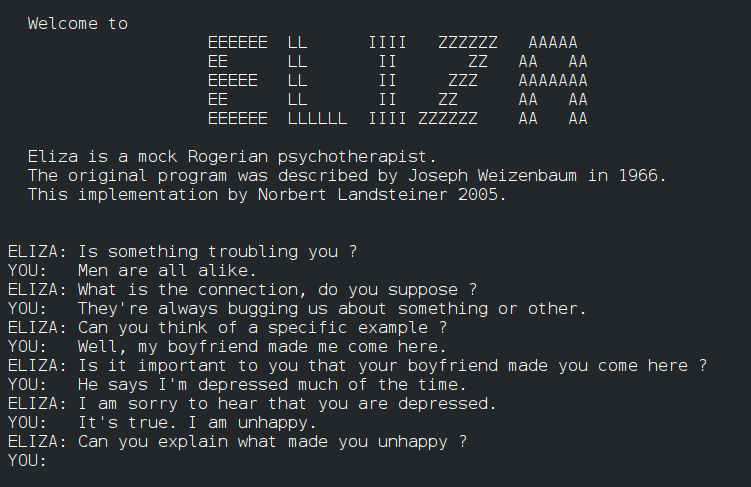
ChatGPT is by no means a perfect accessory for the modern academic – but it might just get there.
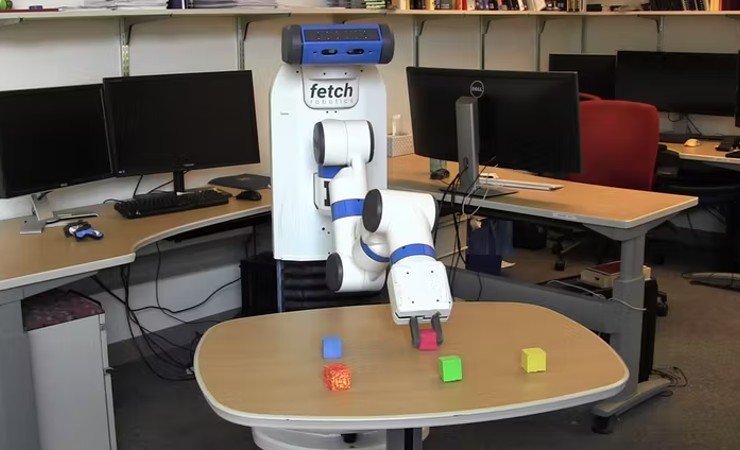
The authors have identified a convergence among architectures, reflecting a combination of neural, behavioral and computational studies and so have begun a communitywide effort to capture this convergence.
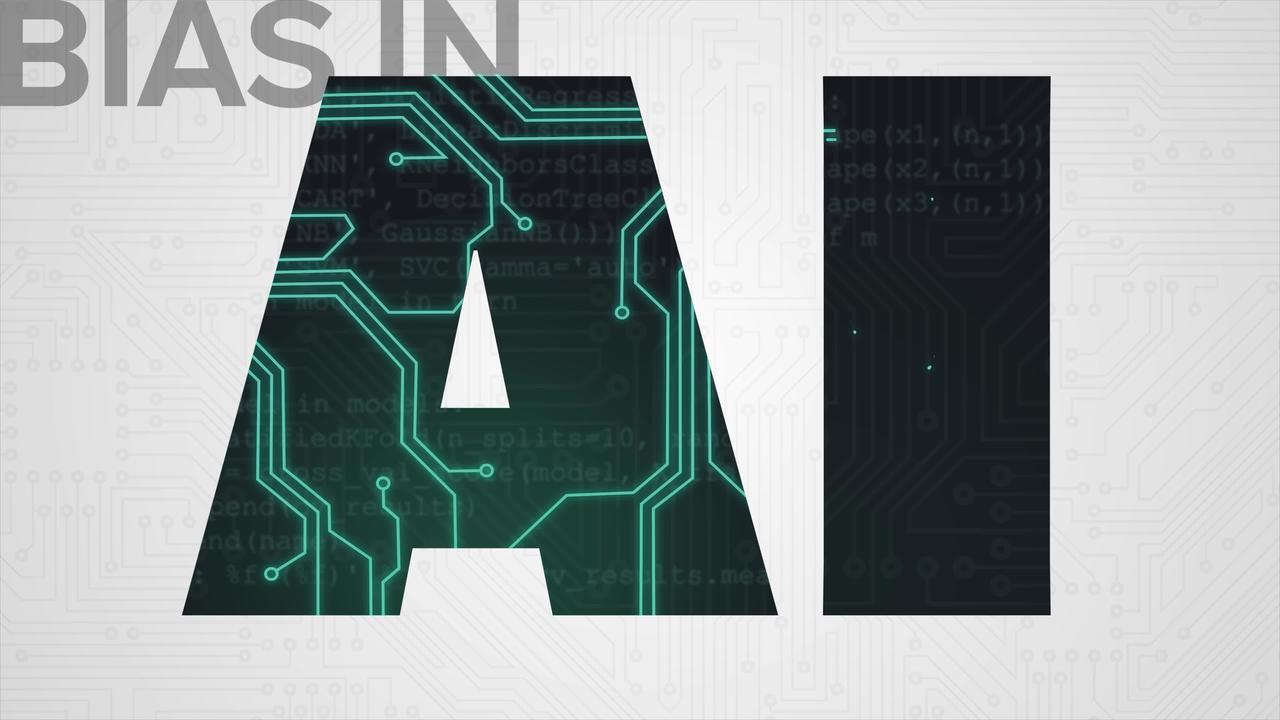
According to NIST’s Reva Schwartz, bias manifests itself not only in artificial intelligence algorithms and the data used to train them, but also in the societal context in which AI systems are used.
David Canter follows his concern that psychologists are losing contact with people by considering how computers are presented as replacements for human ‘intelligence’. This ignores the importance of in situ person to person contact, which has been shown by the COVID pandemic to be so crucial for people.
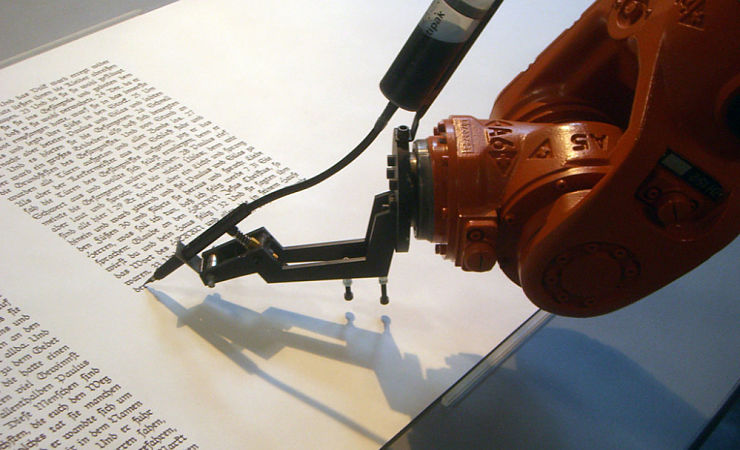
At the moment, little guidance, policy or oversight is available regarding technology, AI and academic integrity for teachers and educational leaders.
Jürgen Habermas, a globally known social theorist whose explorations of democracy, validity and communication have gained new prominence in the current moment, […] People often see science as a world apart: cool, rational and untouched by persuasion or performance. In this view, scientists simply discover […] “Research impact” means different things to different people. Some refer broadly to how science changes behaviors, beliefs, or practices outside academic institutions. […] David Canter considers informal places where people socialize, suggesting they’re an arena ChatGPT and other LLMs can’no’t replicate. As someone who lives […] It’s become cliche since Clive Humbly coined it in 2006, but data is indeed the new oil. It’s a mantra repeated by […] In September 2025, The Guardian reported about a lawyer in Australia having faced sanctions due to false citations. These citations were not […]
EXPLORE
Impact

Jürgen Habermas, 1929-2026: Exponent of the Public Sphere
READ MORE

Scientists Should Keep in Mind It’s Called the ‘Marketplace of Ideas’ for a Reason
READ MORE

Survey Finds Social Scientists Feel Unsupported in Seeking Societal Impact
READ MORE
Innovation

Reaching Parts to Which AI Has No Access
READ MORE

Andrea Medina-Smith on Making Research Data More FAIR
READ MORE

A Status Check on Hallucinated Case Law Incidents
READ MORE