

Could Distributed Peer Review Better Decide Grant Funding?
The landscape of academic grant funding is notoriously competitive and plagued by lengthy, bureaucratic processes, exacerbated by difficulties in finding willing reviewers. Distributed […]
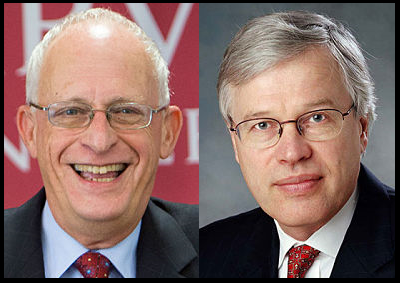
As technology improves and organizations become more complex, the theory and practice of contract design will only increase in importance. As such, we owe, we owe a great debt to this year’s Nobel laureates in economics for giving us powerful tools to structure effective contracts.
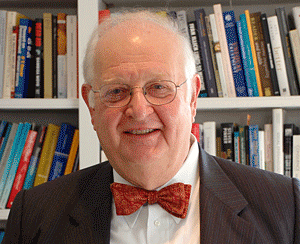
Angus Deaton called for the applied microeconomists not to abandon economic theory in favor of experiments but instead to think more deeply about the consequences of economic theories and how they can be tested using real-world data. This is the approach he has followed throughout his career and what has led to him win a Nobel Prize.
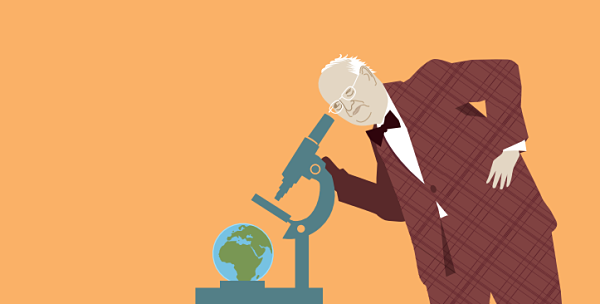
The Nobel committee has awarded Princeton’s Angus Deaton ‘for his analysis of consumption, poverty, and welfare.’ But in fact, he was awarded for building bridges – between disciplines, between theory and reality, between people.
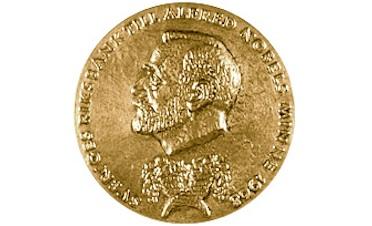
This year’s winner of the not-quite Nobel Prize in economics once again demonstrates the triumph of the blackboard over the real world in what gets recognized — and that’s not good, argues David Spencer.
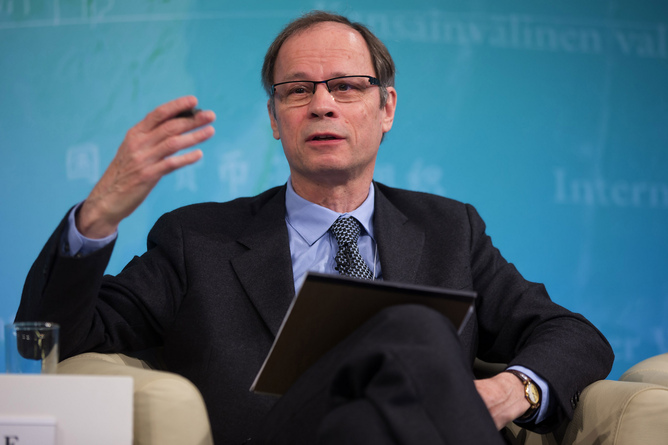
How do we understand and regulate industries where there are only a few powerful firms? French economist Jean Tirole, for one, asked such a question and his answers earned him a Nobel this morning.
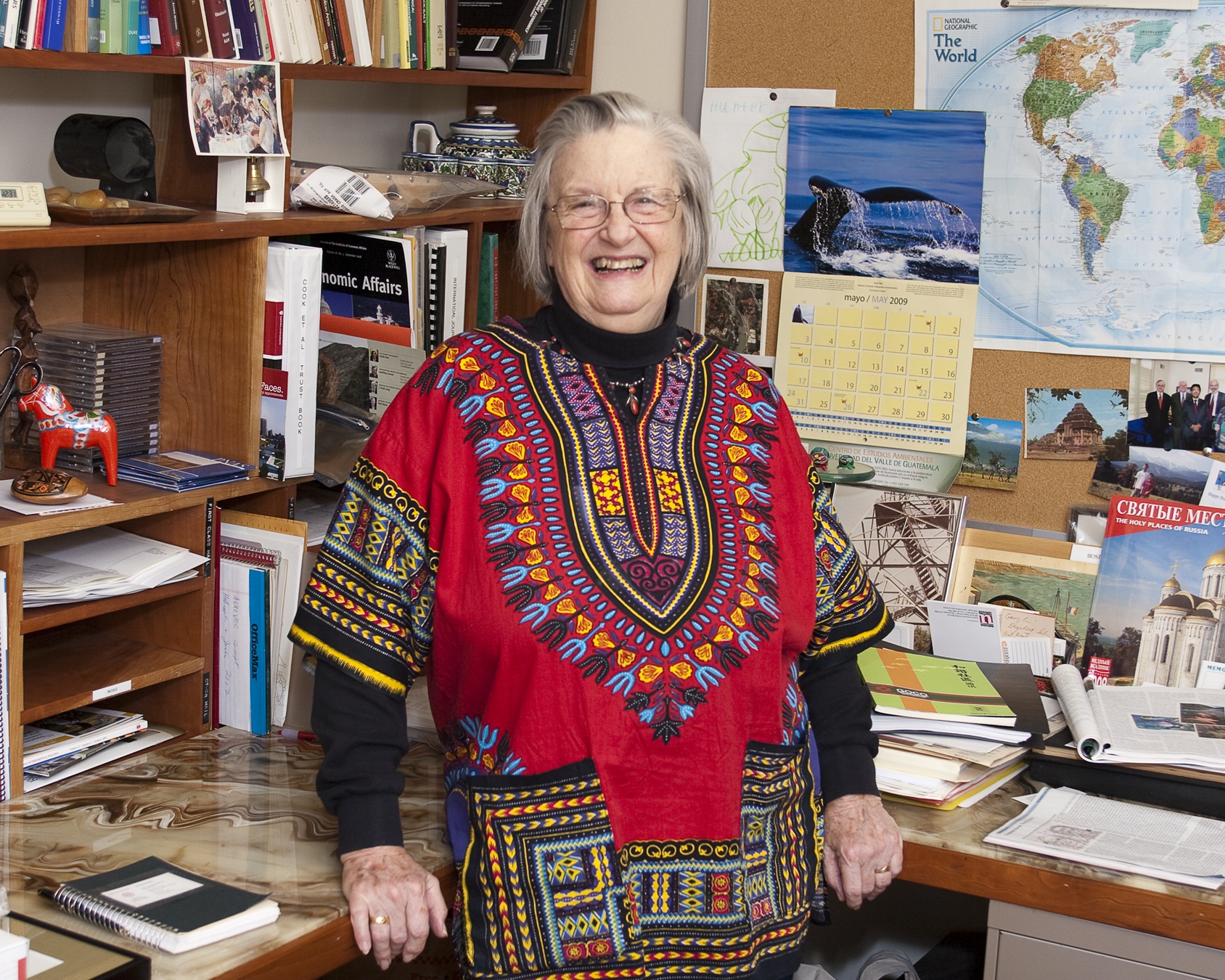
As part of a series of occasional interviews with leading social scientists, Elinor Ostrom spoke to socialsciencespace. In 2009, she became the […]
Jürgen Habermas, a globally known social theorist whose explorations of democracy, validity and communication have gained new prominence in the current moment, […] People often see science as a world apart: cool, rational and untouched by persuasion or performance. In this view, scientists simply discover […] “Research impact” means different things to different people. Some refer broadly to how science changes behaviors, beliefs, or practices outside academic institutions. […] David Canter considers informal places where people socialize, suggesting they’re an arena ChatGPT and other LLMs can’no’t replicate. As someone who lives […] It’s become cliche since Clive Humbly coined it in 2006, but data is indeed the new oil. It’s a mantra repeated by […] In September 2025, The Guardian reported about a lawyer in Australia having faced sanctions due to false citations. These citations were not […]
EXPLORE
Impact
Jürgen Habermas, 1929-2026: Exponent of the Public Sphere
READ MORE

Scientists Should Keep in Mind It’s Called the ‘Marketplace of Ideas’ for a Reason
READ MORE

Survey Finds Social Scientists Feel Unsupported in Seeking Societal Impact
READ MORE
Innovation

Reaching Parts to Which AI Has No Access
READ MORE

Andrea Medina-Smith on Making Research Data More FAIR
READ MORE

A Status Check on Hallucinated Case Law Incidents
READ MORE