



Could Distributed Peer Review Better Decide Grant Funding?
The landscape of academic grant funding is notoriously competitive and plagued by lengthy, bureaucratic processes, exacerbated by difficulties in finding willing reviewers. Distributed […]

New research reviewing an influential 2021 paper supporting the efficacy of the ‘nudge’ and others now warns nudges may not have any effect on behavior at all.

“When you educate a man, you educate a person, but when you educate a woman, you educate an entire generation.” The same applies to empowering women to find their footing in organized employment.
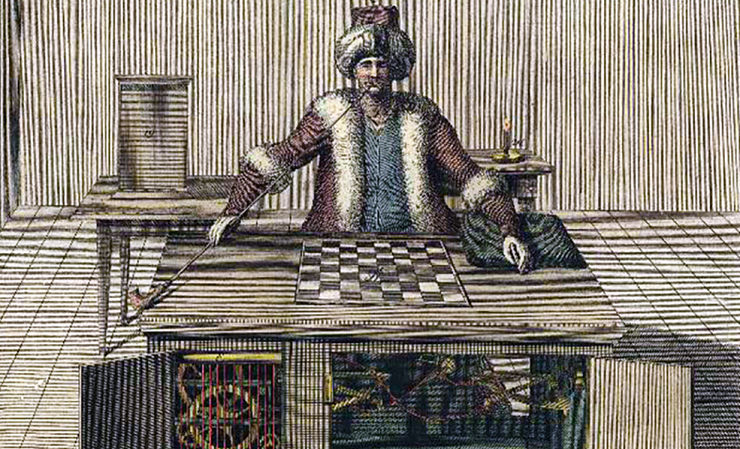
A 2011 paper on Amazon’s then-new and innovative Mechanical Turk, which among other things crowdsources prospective participants for social and behavioral research via an online marketplace, has garnered 7,500 citations in the subsequent decade.
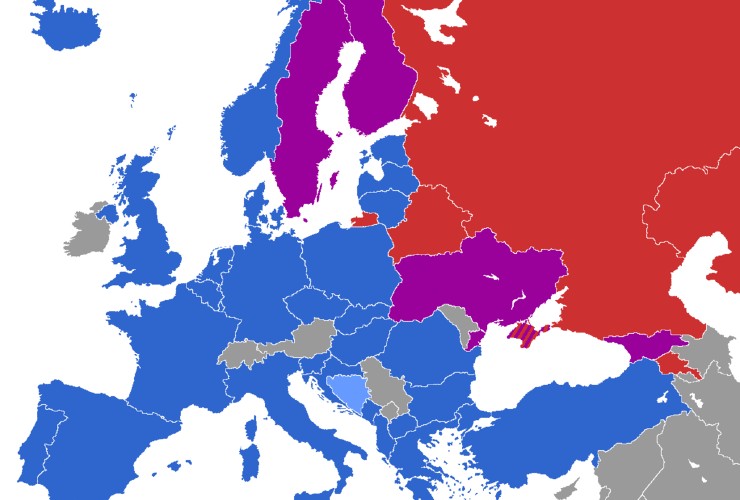
ISA may not have any great love for the richer countries of the world, argues Robert Dingwall, but its president should be capable of telling the difference between mutual aid among sovereign nations and a desire to subject other countries to external domination.

One reason that many social scientists care about impact is that they see in social science the promise of and a path for knowledge – data, analysis, concepts – shaping the world they want to make.
Business schools and universities across the world are being swept up by a diversified array of decolonizing movements in response to the […]
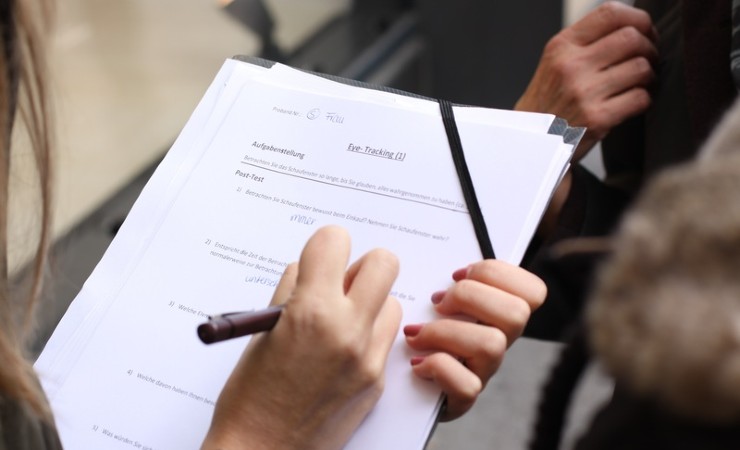
Human research participants are frequently rendered passively in research outputs as ‘research subjects.’ Helen Kara presents three ways in which research participants can be made more central to research.
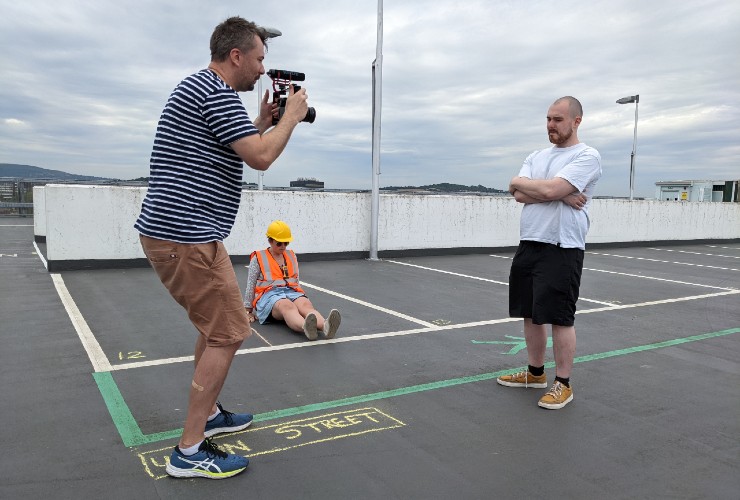
This blog post builds on the introduction to spatially-led video interviews. This article outlines the process of taking such digital material and working with writers, dramatists and performers to develop site-specific theatre. Over two workshop days we worked through ways to represent how everyday life changed during the 1960s in Newport, a city in Wales.
When people trust science, they can make better decisions, follow helpful rules and work together on big problems like health, climate change […] Do you know a social or behavioral science researcher whose work resonates across disciplines and which has made a significant impact in […] Please note: this contest has now closed. The winner will be contacted in due course. This November, Sage and Overton invite you to share the unexpected […] The latest generation of artificial intelligence models is sharper and smoother, producing polished text with fewer errors and hallucinations. As a philosophy […] In a new white paper by Tom Chatfield, the philosopher of tech and critical thinking outlines a practical roadmap for integrating artificial intelligence into […] Distance learning far precedes the digital age. Before online courses, people relied on print materials (and later radio and other technologies) to […]
EXPLORE
Impact

There Is a Cost to Being Honest About Science
READ MORE

Outstanding Social and Behavioral Scientists Sought for Sage-CASBS Award
READ MORE
![Share Your Most Surprising Policy Citation for Chance to Win $500 [Closed]](https://www.socialsciencespace.com/wp-content/themes/conferpress/images/default_thumbnail-new-border.jpg "Share Your Most Surprising Policy Citation for Chance to Win $500 [Closed]")
Share Your Most Surprising Policy Citation for Chance to Win $500 [Closed]
READ MORE
Innovation

An AI Authorship Protocol Aims to Sharpen a Sometimes-Fuzzy Line
READ MORE

A Box Unlocked, Not A Box Ticked: Tom Chatfield on AI and Pedagogy
READ MORE

AI Gaming of Some Online Courses Threatens Their Credibility
READ MORE