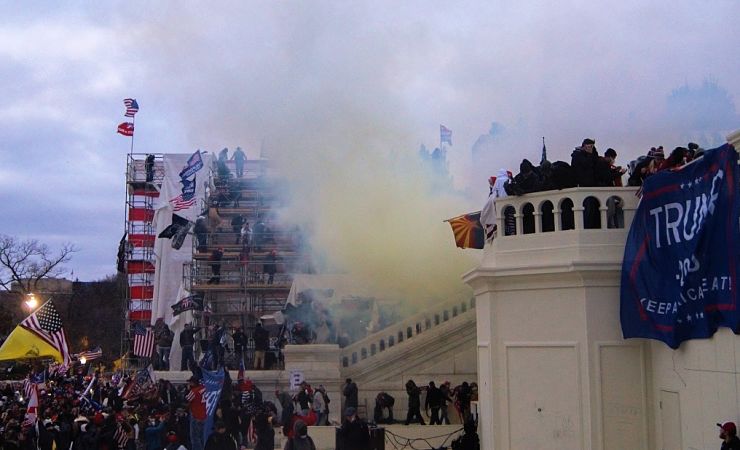


Could Distributed Peer Review Better Decide Grant Funding?
The landscape of academic grant funding is notoriously competitive and plagued by lengthy, bureaucratic processes, exacerbated by difficulties in finding willing reviewers. Distributed […]

Do potential entrepreneurs see COVID-driven upheaval as an opportunity or as a barrier to fulfill entrepreneurial dreams, and to what extent does this vary among potential entrepreneurs depending on their level of self-efficacy?
Delineating the domain of transcultural crisis management, this study by Gita Bajaj of the Institute of Management Technology in Dubai; Surabhi Khandelwal […]
The Centre for Research in Ethnic Minority Entrepreneurship (CRÈME) was recently named the winner of the Outstanding Business and Enterprise Impact Award, from the ESRC Celebrating Impact Prize 2020.

Not all corporate social responsibility is created equal, especially for firms focused on implementing it and benefiting from their investment. Here, Limin Fu, Dirk M. Boehe, Marc O. Orlitzky discuss their current research into determining what is the right mix of good intentions, stakeholder engagement and competitive advantage.
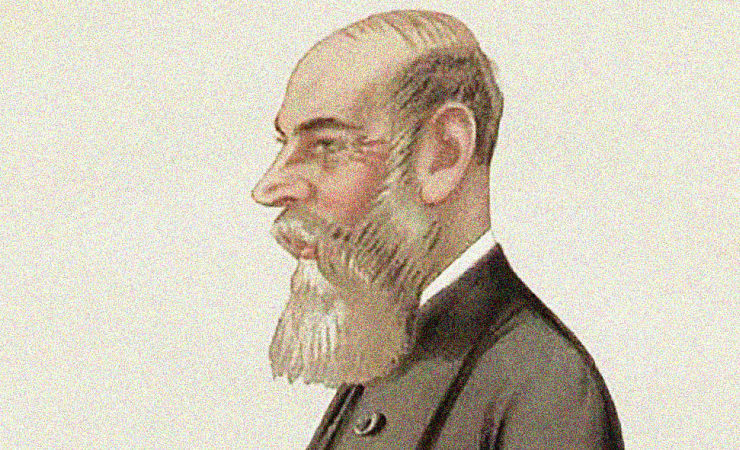
Steven Lubet argues that while students have the right to call for academic boycott of Israeli institutions, their university has a responsibility not to award them academic credit for doing so.
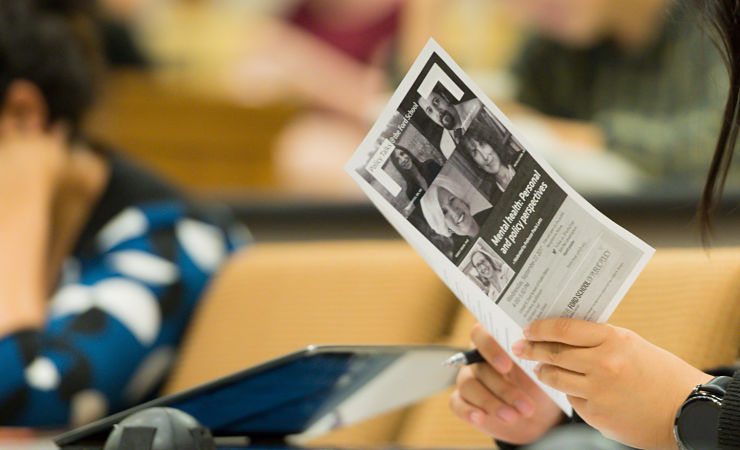
What are the most pressing issues on the minds of college and university presidents? In short, students, whether it’s students’ mental health or the number of them attending school.

Are entrepreneurial activities in business-owning families initiated “autonomously” as a bottom-up process by individual family members?

A year ago the potential impact of COVID-19 on precarious early career researchers (ECRs) looked bleak. Reporting on findings from the longitudinal Harbingers 2 project, David Nicholas suggests the effects of COVID-19 on ECR researchers have been varied internationally. Where pressures from the pandemic have been felt most acutely, particularly in the UK, US and France, it has often aligned with perceptions of ongoing structural issues within academia.
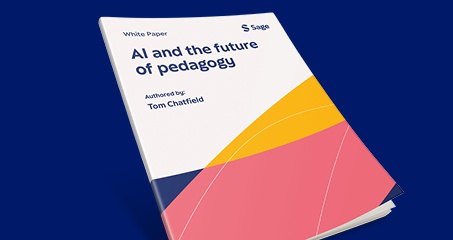
When people trust science, they can make better decisions, follow helpful rules and work together on big problems like health, climate change […] Do you know a social or behavioral science researcher whose work resonates across disciplines and which has made a significant impact in […] Please note: this contest has now closed. The winner will be contacted in due course. This November, Sage and Overton invite you to share the unexpected […] The latest generation of artificial intelligence models is sharper and smoother, producing polished text with fewer errors and hallucinations. As a philosophy […] In a new white paper by Tom Chatfield, the philosopher of tech and critical thinking outlines a practical roadmap for integrating artificial intelligence into […] Distance learning far precedes the digital age. Before online courses, people relied on print materials (and later radio and other technologies) to […]
EXPLORE
Impact

There Is a Cost to Being Honest About Science
READ MORE
Outstanding Social and Behavioral Scientists Sought for Sage-CASBS Award
READ MORE
![Share Your Most Surprising Policy Citation for Chance to Win $500 [Closed]](https://www.socialsciencespace.com/wp-content/themes/conferpress/images/default_thumbnail-new-border.jpg "Share Your Most Surprising Policy Citation for Chance to Win $500 [Closed]")
Share Your Most Surprising Policy Citation for Chance to Win $500 [Closed]
READ MORE
Innovation

An AI Authorship Protocol Aims to Sharpen a Sometimes-Fuzzy Line
READ MORE

A Box Unlocked, Not A Box Ticked: Tom Chatfield on AI and Pedagogy
READ MORE

AI Gaming of Some Online Courses Threatens Their Credibility
READ MORE