Active Online Learning
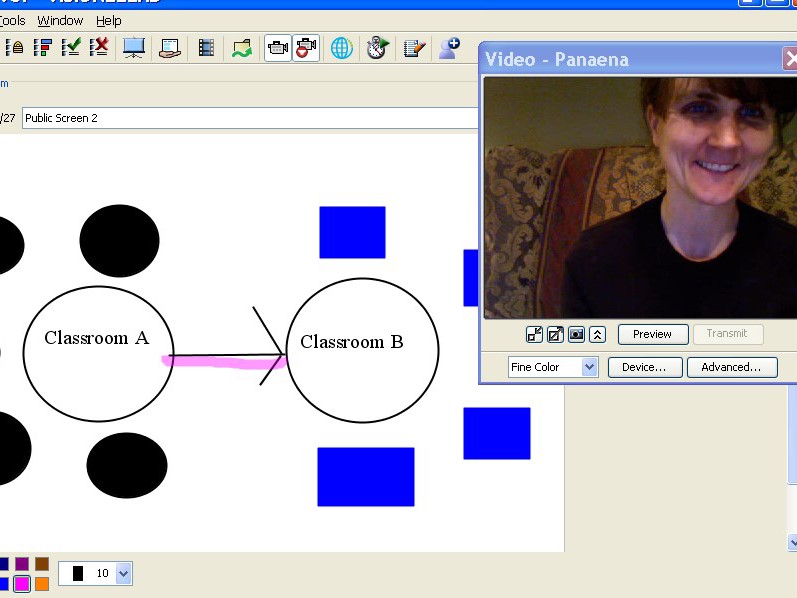
I was an early adopter for online teaching and learning. My experience teaching, developing courses, and consulting about e-learning morphed into an interest in online research. Why, I asked, couldn’t we use the kinds of electronic communications tools used in e-learning to communicate and collect data with participants? Of course we can!
A series of books are the result of these adventures in online methods (and I am working on a new edition of one of them right now!) These books cover both research design and practice in studies that use online interviews, focus groups, observations, creative and performative methods, as well as studies that rely on extant data.

Two of these books, Doing Qualitative Research Online, and Cases in Online Interview Research, are available in their entirety through SAGE Research Methods. If your library has this resource, click on the Reading List and you can download chapters. (See access information at the end of this post.)
Online research activities introduce productive ways to stay engaged with your students and keep them connected.
The learning activities suggested in the instructional materials associated with these books can bring a research methods class to life or be used for active learning in other areas of the curriculum. Students can interview each other, or outside experts. They can sharpen observation skills by watching online interactions or recorded events. They can find archives full of materials to analyze. Whether or not you are preparing students to collect qualitative data online, the exercises suggested for these books are interactive online learning experiences you can adapt for your courses.
Here are the ancillary sites for the three main books:
On each site, you will see both instructor and student resources; you will need to verify your status as an instructor with SAGE to access all the materials. You will find course outlines and complete syllabi with assignments, team and individual projects. You can access and use worksheets, podcasts and media, slides, handouts, and open-access articles. I’ve also uploaded the videos to YouTube with two playlists:
- Qualitative Online Interviews on YouTube
- Doing Qualitative Research Online on YouTube
Take advantage of these freely accessible materials to teach research, digital literacy, and critical thinking skills. You might even keep teaching this way after you are back in your face-to-face classroom!
Learn more about SRM: See A Primer on Getting the Most out of SAGE Research Methods. If your library doesn’t offer SRM, you would like to access the SAGE resources mentioned in this post, explore SAGE Research Methods with a free trial.