Phantom for Your Browser: A Practical Guide to the Solana Wallet Extension
I remember the first time I tried a Solana dApp through a browser extension — it felt slick and modern, but also a little…fragile. I’ll be honest: setting up a wallet extension can be nerve-wracking if you care about security. This guide walks through what Phantom is, how to add it to your browser safely, and practical tips for using it day-to-day without doing anything dumb (like pasting your seed phrase into a chat).
Quick takeaway: Phantom makes interacting with the Solana ecosystem fast and intuitive, but the usual caveats apply — treat your seed phrase like cash, test with tiny amounts first, and keep your extension updated. Now let’s get into the details.
What Phantom Is (and why people like it)
Phantom is a browser extension wallet built for Solana. It manages keys locally, offers a clean UI for token swaps, NFT viewing, and dApp connections, and integrates with Ledger hardware wallets for an extra layer of security. For many US-based traders and NFT collectors, Phantom is the go-to because it feels native — fast transactions, low fees, and minimal friction when connecting to most Solana dApps.
Some things I appreciate: it’s lightweight, quick to install, and the UX is friendly even if you’re not a crypto nerd. On the other hand, some power users prefer separate apps or hardware wallets for large holdings — both are valid choices.
How to Install Phantom Safely
Start with caution. Scammers put up imitation pages and fake extensions. The safest route is to install from a verified source. If you’re looking for the browser add-on, use the official store for your browser or the recognized download link — for convenience, you can find the official phantom wallet download extension here. Only click that link if you intended to install Phantom; double-check the domain and store listing before proceeding.
Steps, plain and simple:
- Open Chrome, Brave, Edge, or the browser you prefer.
- Search the browser’s official extension store for “Phantom” and verify the publisher.
- Install and pin the extension, then create a new wallet or restore an existing one.
When creating a wallet, Phantom gives you a recovery phrase. Write it down on paper. Not a screenshot, not a cloud note, not something you paste into a message. Paper and a secure safe place. I’ve said that before and will say it again — backups are everything.
First Things First: Basic Security Hygiene
Do these right away:
- Write down your 12 or 24-word seed phrase and store it offline.
- Enable your device’s OS-level security (biometrics or a strong password) where possible.
- Use a hardware wallet (Ledger) for large balances; Phantom supports Ledger integration.
- Only connect Phantom to dApps you trust. Check domain names and look for community validation.
Small test transactions are your friend. Send a few cents’ worth of SOL before committing to anything bigger. It’s boring but smart.
Using Phantom with dApps and NFTs
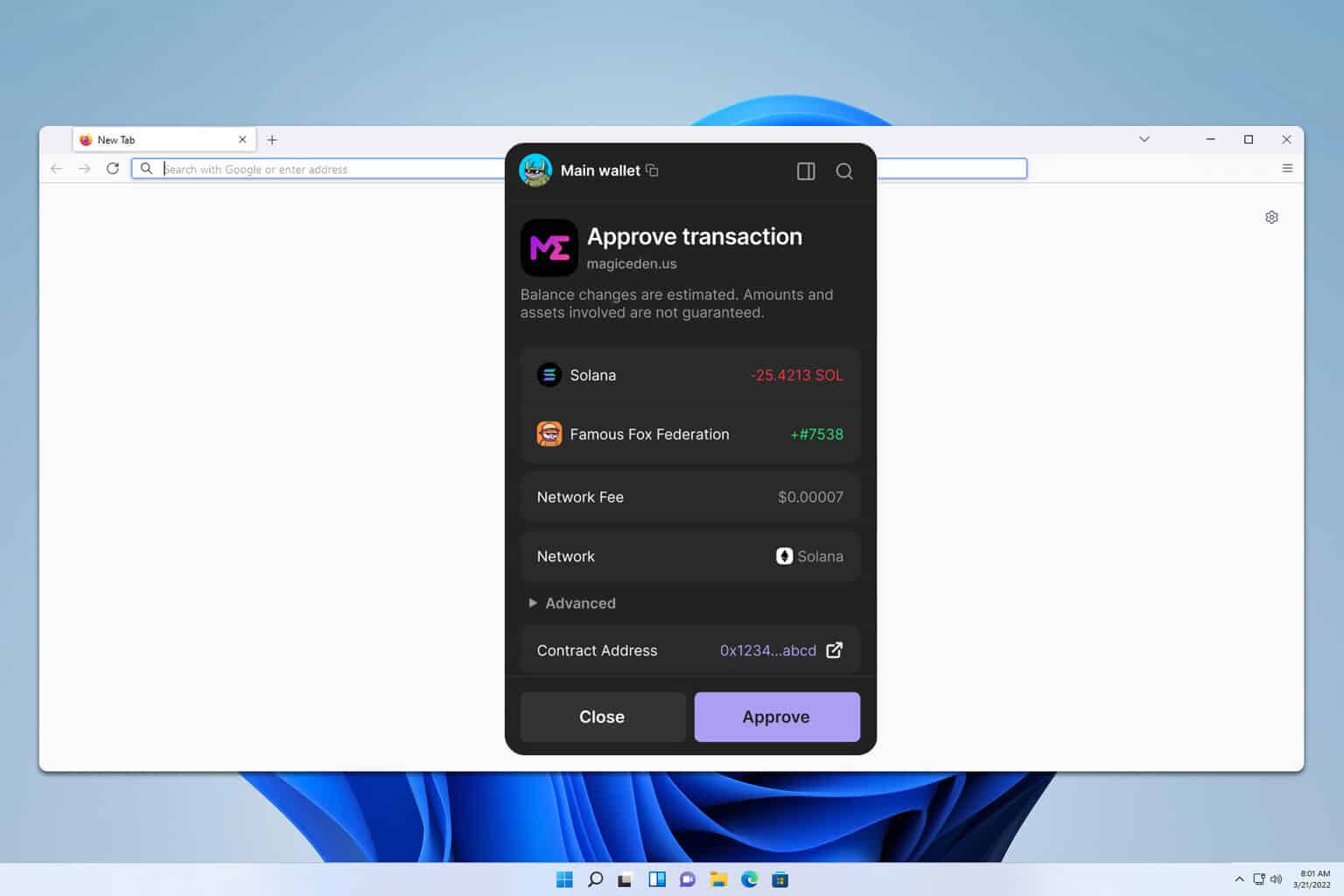
Connecting is usually one click: the dApp prompts, Phantom pops up, you approve. Easy. But watch for permission scopes. Some sites ask to “view” your public wallet address — that’s normal. Others may request signing transactions; read the transaction details before approving. If something looks off, cancel and investigate.
NFT handling is straightforward. Phantom shows NFTs in the interface, and you can manage collections. Note: NFT metadata sometimes links to external resources, so be cautious if a dApp opens new pages or asks for additional approvals.
Troubleshooting Common Issues
Ran into a frozen popup or a site that won’t detect Phantom? Try these quick fixes:
- Refresh the page and re-open the extension.
- Ensure the extension is enabled and up to date.
- Clear the site’s data or try an incognito window with Phantom enabled for that site.
- Restart your browser — often resolves strange permission states.
On one hand, these fixes are mundane. On the other hand, they save you time and panic. If your balance doesn’t show, double-check the network (mainnet vs devnet) and confirm your address on a block explorer.
Advanced Tips for Power Users
If you’re moving larger sums or managing multiple accounts, consider these practices:
- Use multiple Phantom profiles or separate wallets per purpose (trading, NFTs, long-term holding).
- Integrate a Ledger for signing critical transactions.
- Keep a small hot wallet for active interactions and a cold store for savings.
- Review connected sites regularly and revoke unused permissions in Phantom’s settings.
Also: if you use browser sync services, beware — some people prefer not to sync extensions across devices to reduce exposure.
Privacy and Data Considerations
Phantom stores keys locally, but the extension still interacts with websites. Your public addresses and transaction history are visible on-chain and can be linked to metadata like NFT purchases. If privacy matters, consider separate addresses for different activities, and avoid reusing addresses publicly when possible.
Frequently Asked Questions
Is Phantom safe to use for everyday transactions?
Yes, for everyday, small-value transactions Phantom is generally safe if you follow basic security: keep your recovery phrase offline, update the extension, and test transactions before you commit large sums. For long-term storage of large amounts, hardware wallets are recommended.
Can I recover my wallet if I lose my device?
Yes — as long as you have your seed phrase. Restore Phantom on a new browser or device and input the phrase. Without it, recovery is not possible, so protect that phrase like it’s cash.
Does Phantom work with Ledger?
It does. You can connect your Ledger device to Phantom to sign transactions, which adds an important physical layer of protection against malware and remote compromise.