 Opinion
 Challenges to Democracy
David Canter explores the three interacting corrosive cycles that destroys democracies – limiting effective education, destroying a free press and limiting the independence of the judiciary.
In mid-19th-century Britain there was deep concern, and much debate, about introducing effective democracy. Many treated the idea that all adults should be able to vote with a mixture of horror and fear. Voting was seen as a serious matter that required knowledge and intelligence as well as an informed understanding of how the politics worked.
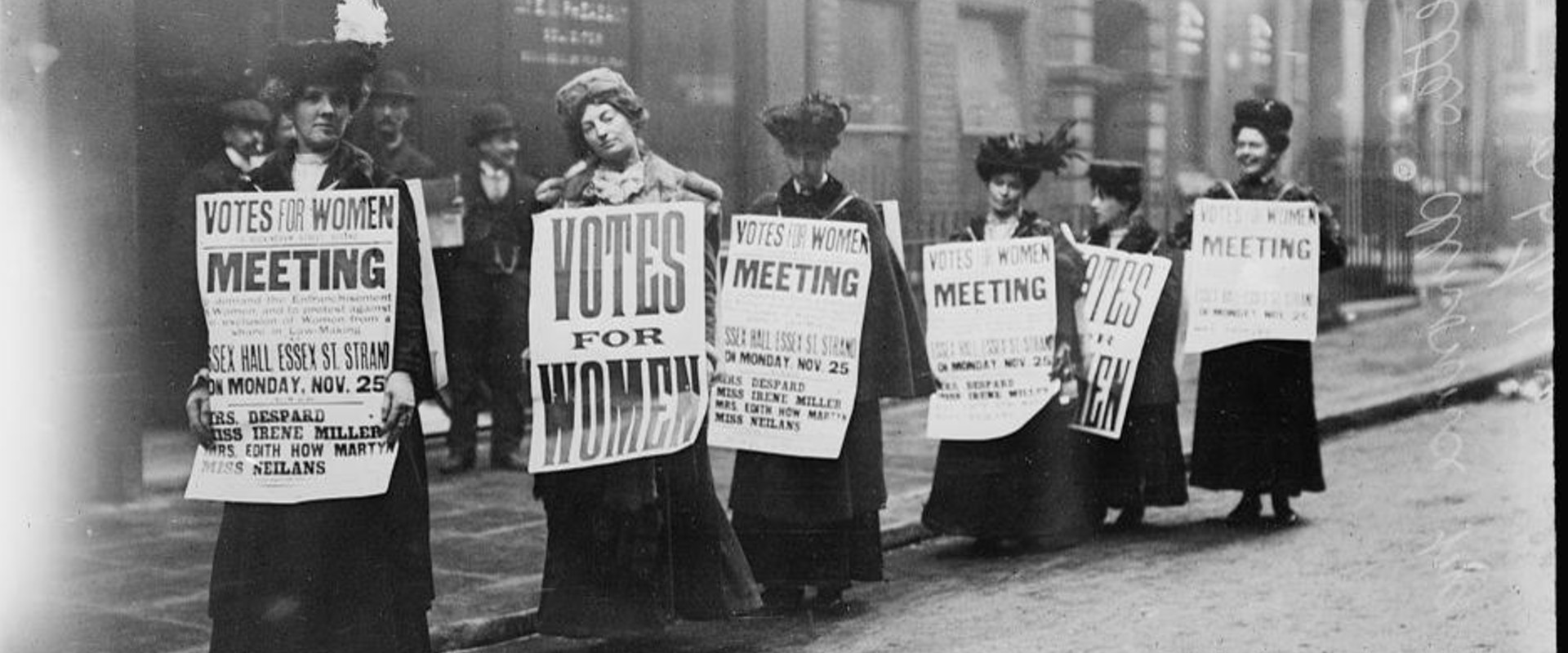
The debates were a step on from the removal of the entrenched abuse of power that had corrupted earlier centuries, with their rotten boroughs and many other devices allowing parliamentary positions to be controlled by a privileged few. Serious discussions were centered round the capabilities necessary to use a democratic vote wisely. One of the most divisive arguments was whether women had the intellectual abilities and emotional qualities to enable them to make reasonable voting decisions.
It is easy to dismiss this misogyny, which took a century to overcome, as merely the patriarchy holding onto its controls over the social order. That is to ignore the many women who agreed with misogynistic sentiment. They had not been allowed to engage with political issues, or develop through education and direct experience, the intellectual knowledge and skills that would enable them to demonstrate their fitness to be a full part of the democratic process. That engendered a corrosive cycle in which people are not given appropriate education and are therefore kept out of public influence because they are deemed not to have an appropriate education.
In other words, a crucial foundation for a successful, fully active democracy is an effective, broad-based educational system. The arguments against franchising women were readily extended to poorly educated workers and others who could be regarded as outside of the hustle and bustle of civil society. Dictators and demagogues understand this only too well. They exert considerable pressure to control all educational institutions. It is no accident that many revolutions are set in motion or fanned into being by students, nor that universities are often the primary target of dictators. Constraining and limiting who and what is taught is a significant way of controlling the possibilities for a true democracy. If people have limited knowledge and intellectual skills, authoritarian powers can still claim success in apparently free elections.
But that is only undermining one pillar of true democracies. A second is a free and open press, which today includes social media. That cannot succeed on its own if potential audiences for public accounts of what is happening do not have the knowledge or intellectual skills to make sense of and evaluate what is presented to them. This generates a further corrosive cycle in which misleading information is absorbed uncritically thereby encouraging the purveyors of that material to generate even more.
The third pillar of democracy, often undervalued, is an independent judiciary. The power of any legal system comes from how acceptable it actions are to the population it serves. This relationship of court proceedings to popular understanding is often underestimated. A judiciary that is not trusted is the hallmark of a weak democracy.
At the heart of the courts’ reflection of public engagement with the law is trial by jury. It is only when people who are not part of any power structures can make decisions about wrongdoing that democracy can have this last bulwark against powerful elites. Representative juries in an independent legal system can, and do, overturn attempts by the ultra-rich and privileged to control others. But for that to work the legal system needs to be independent of influence. Otherwise, one more corrosive cycle takes place whereby judges and juries meekly follow the whims of those in power. However, ordinary people need to be educated enough to understand what they are asked to do and to reason about it effectively. That also has to take place in the context of a free press that enables those involved in the legal process to understand the social context in which they are required to act.
These three corrosive cycles feed on each other. Poor education allows distorted public debate, which can lead to an ineffective legal system. That in turn alienates more people and limits their opportunities. Such a contorted legal system will also support limits on education. Once these cycles are set in motion, as they seem to be in the US at the moment, it is extremely difficult to reverse them. The way they have destroyed a once reasonably successful Afghanistan is a parallel that we ignore at our peril.