Watch the Panel: Academic Freedom and the Role of the Academic Librarian
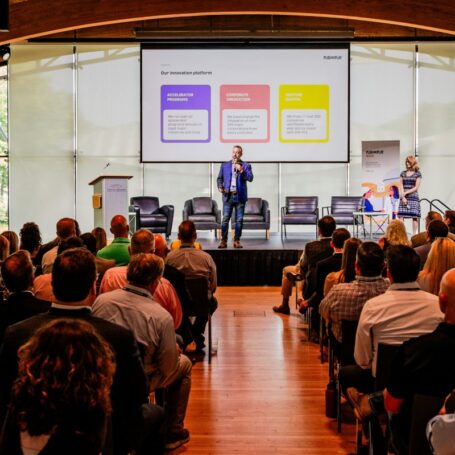
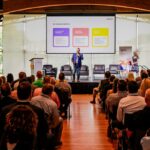
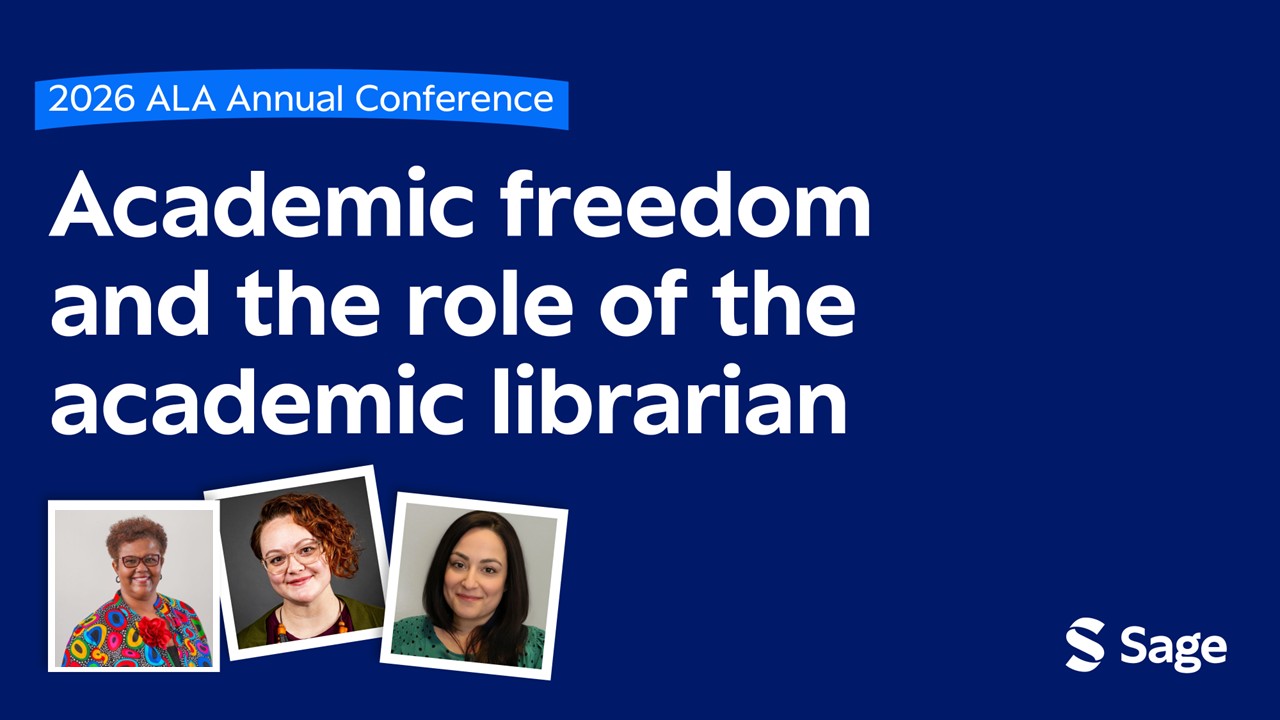
As part of its ongoing commitment to academic freedom, Sage, the parent of Social Science Space, hosted a panel discussion at the 2026 American Library Association Annual Conference exploring rising censorship concerns in higher education. A standing-room-only crowd joined Nicole A. Cooke, Augusta Baker Endowed Chair and Professor in the School of Information Science at the University of South Carolina; Christina Bell, reference and instruction librarian at Glendale Community College; and Rhonda Contreras, Sage’s director of engagement, library partnerships, in discussing the nexus of expression and libraries.
The panel examined what is at stake for students, faculty, and institutions, and how to respond to increasing restrictions on access to information. Watch the recording or read the transcript available below the video.
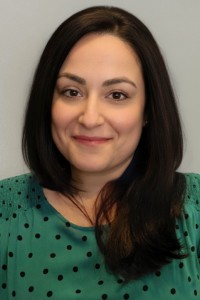
Rhonda Contreras: All right. Thank you everybody for joining us today. My name is Rhonda Contreras. I’m the director of engagement at Sage, and I have the privilege of moderating, moderating today’s session. So over the past couple of years, conversations around censorship, intellectual freedom, access to information have become more and more prevalent.
And while much of the conversation had been focused on the public library space, academic librarians are now facing and navigating many of the same questions. And so today, what we wanted to do is really take the opportunity to explore how this impacts day to day work in libraries and academic libraries and higher ed, what that work looks like in practice, and what strategic and meaningful partnership looks like in this, in this space, and how to best support academic freedom.
So I am so very grateful today to be joined by Dr. Nicole Cooke from the University of South Carolina and Christina Bell from Glendale Community College. And before we jump in, ladies, I would love for you to take the opportunity to introduce yourself, share a little bit about your work, and more specifically, the perspective that you’re hoping to bring to this conversation today.
Nicole Cooke: So as Rhonda mentioned, I’m Dr Nicole Cook. I am the Augusta Baker Endowed Chair at the School of Information Science at the University of South Carolina. As I was joking with the panelists earlier, my work is what’s trying to be illegal in South Carolina. I do equity, diversity, inclusion, social justice work.
But before I became a faculty member, I was reference instruction and outreach at an academic library in New Jersey. And so for the perspective I’m trying to bring, or one of maybe, is the importance of academic freedom, right. And protecting it and thinking about what it looks like for us as professionals, particularly when we’re under attack. Right. And the necessity and the imperative for us to continue to fight for that academic freedom that we have in our institutions and in our classrooms.
Christina Bell: Hello, I’m Christina Bell. I am library faculty at Glendale Community College in Glendale, Arizona, not California, which I sometimes have to tell students when they call me. I’m the little guy side of things. You don’t often see community colleges represented across higher education as much, even though we do represent a significant portion of students in, in higher ed spaces. So really, part of what we’re looking at and what I’m bringing to this conversation is really about the much more kind of practical on the ground, what this looks like as we’re working with students and faculty and making decisions about the materials, the curriculum, what we bring into the classroom, as much as we also bring our whole selves to the jobs that we do and how we begin to face challenges, in my experience. Often those challenges come from inside the house. They’re not always going to be external, and sometimes facing our own leadership is going to be part of that challenge.
Rhonda Contreras: Great. Thank you both so much. So let’s jump in from there. So we touched on this a little bit or I touched on it a little bit in the introduction. But really conversations around censorship, they often focus on either public libraries or higher education. But many of the underlying issues are often interconnected.
And Christina, I’ll start with you. How do you see the relationship between public and academic libraries and what they’re experiencing today?
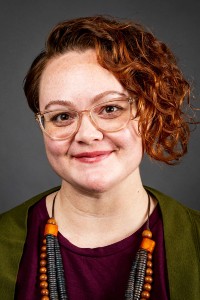
Christina Bell: I would say from my experience that in academic libraries, we don’t face the exact same types of content challenges that we see in public libraries, in school libraries, precisely because we’re fortunate that whenever we face a challenge, the answer is usually we are curating materials that support the curricular and research needs of our institutions. Period. That’s the end of the sentence, and that’s usually the answer that any challenge gets. There is a reason we have the materials we do. Even if you don’t like them, sorry. At the same time, at the same time, the challenges we are seeing are actually coming from a different line of attack. The purpose is the same.
The purpose in limiting access to information, in limiting the voices that are represented in our curriculum, in our materials. It’s just coming from a different place. We’re seeing those in terms of different types of legislative challenges. And obviously we’re going to talk about this more, but whether that’s federal, state or local in the ways that we can’t, we can’t say things the same way that we have in the past, even if the books are still on the shelves, the classes and the research that they support might be changing, as we sometimes are self-censoring what we’re doing to save ourselves from the challenges we’re seeing coming from different levels above us.
Nicole Cooke: Yeah. And just to piggyback on what Christina was saying, since I’m on the graduate education end of it, I’m not necessarily teaching just public librarians or just academic librarians. I’m just teaching librarians and information professionals in a more general sense. But I do see a lot of the self-censorship already, from folks who will say, “Well, I don’t like this particular source.” And it doesn’t matter if you like it. Right? This is, these are sources. These are the things that we’re, we’re working with.
I was telling the colleagues a little earlier, especially with, I don’t think there are taboo topics, but maybe some people still think of gender, race, sexuality. Some of these types of topics as inappropriate or taboo for the library. And when we have assignments or discussions. I’ve had students in the last five years say, I don’t want to do that assignment, it makes me uncomfortable. I don’t care; either we’re going to do it or you’re not going to do it and you’re not going to get a grade.
But more importantly, speaking of the call coming from inside the house, how are you going to, fairly, justly, compassionately, effectively work with communities when you yourself are refusing to engage with certain topics? Right. So I think the academic freedom, and it’s not even that they don’t know or don’t care that they have academic freedom, I think it’s, it’s fear. I think it’s fear. I think it’s probably a little bit of ignorance. And I don’t mean that necessarily in the most pejorative way, but they don’t know. And so these new things are very uncomfortable. And I tell students all the time, you have to be comfortable with being uncomfortable, right?
And if you’re not, then you’re not adequately serving the community, whether it be in a public or an academic setting.
Rhonda Contreras: Great. Thank you both. And both of you did touch on this next question a bit, but I would really love to kind of give a chance to you to explore a little bit deeper the current environment, the working environment for academic librarians and what changes have felt the most significant, the most meaningful in how you have to show up in your role?
Christina Bell: I would say for this one, the most significant changes in the past couple of years, I would say exactly what you said, Doctor Cooke, is the fear, is the fear we’re here. We’re seeing from colleagues, from leadership, from our students that many of the decisions that are being made are fear based. Fear of reprisal, fear of, of being seen by those above us. That and that we might face challenges. And how do we, how do we avoid the, how do we even avoid the challenge? And even, like you’re saying, the purpose of education, part of, part of learning, is being uncomfortable. And if we’re not giving our students those moments of being uncomfortable, those, those moments where they have to face their own challenges, how then are we preparing them for levels of resilience that they are going to have to face themselves once they leave us? That the classroom is not just the classroom they sit in, it is also the world they make with what they learn from us.
And so I think in our case, as a community college, we follow a guided pathways model. And some of that now changes what financial aid is available for what types of classes. Our curriculum has been severely narrowed and limited to just what gets you to the job, what gets you to the next credential. We’re seeing a far fewer of the fun classes, the challenging classes, the classes about race and gender and sexuality, because that’s considered sort of extraneous to the conversation about your career development.
So again, it is back to that. The call is coming a bit from inside the house that we are doing that work of self-censoring and narrowing our own curriculum in response to these outside pressures, rather than doing the work to come together and challenge those pressures to say, no, there’s value in these conversations. There’s value in having challenging materials and asking challenging questions.
Nicole Cooke: Yeah, absolutely. And to that, I would add, even the courses that are considered indoctrination now, and to add to what Christina was mentioning, the fear. And I think it’s also financial pressure, the pressure of capitalism. I don’t work in academic library anymore, but I’m still in a higher ed institution where donors are very important, right?
My campus in particular, is literally two blocks away from the state capitol. And we’ve had legislators come into our classes and, especially with their online classes and keep their screens black. And they’re in this, this very base level of monitoring. And so, trying to appease the government, which we should not be doing, but also to appease those who are funding or pulling funding.
Christina Bell: The exact same thing happened to us. One of our state legislators took an online class on a diversity topic and went back to leadership, and claimed that it was indoctrination. Yes. So we’re, we’re seeing those challenges.
Nicole Cooke: Yeah.
Rhonda Contreras: Great. Thank you so much. So, Nicole, kind of shifting gears, just a touch. In your book, Information Services to Diverse Populations, you pull in your own perspective with the voices of other experiences, voices and experiences of other librarians. And I was just curious, what did you hope those testimonials would reveal about the realities of what librarians face in their work? And how do those experiences, experiences shape your thinking about the role of social justice and academic freedom in libraries today?
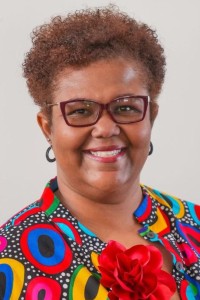
Nicole Cooke: Yeah, so one of the main reasons to pull in the testimonials for the book is that I’ve been out of kind of frontline practice for quite some time now, right? So just to really bring in the perspectives of what’s happening right now, and much of it is very similar to what I experienced in my 13 years as a practicing academic librarian. But it was really just to keep things fresh and relevant.
All of the testimonials in the book are from folks from marginalized populations. So not just race and ethnicity, but you name it, I tried to pull it in. Right? And so, really to amplify voices, but also for folks who are not from marginalized backgrounds or identities to be able to say this is our community as professionals, but these are also the folks that are in our community, right? And I’m very clear with the students that if we are not empathetic, if we don’t have that cultural competence, it’s essentially going to be malpractice. Right. You can’t say that I’m going to serve all when you have a particular bias or really a lack of understanding or desire to serve big swaths of the community. So it was really to kind of bring in all of these perspectives. There are folks from museums, there are folks from public and academic libraries, LGBTQ plus, you name it. We were trying to pull in all of those different perspectives and is really just to, uh, broaden the conversation. So when the community members come in, there’s not going to be shock or fear. Because I’ve seen librarians in academic settings, I’ve worked with them who have said, I’m not talking to that person.
And I was like, well, that’s not how this works. So it’s really to kind of expand knowledge, conversation and to amplify those voices that people need to be willing and able to hear.
Rhonda Contreras: Yeah. And I would say done so very successfully. It was a really impactful read for me. So I appreciate you sharing that. So, Christina, from your perspective, I would love to kind of get a sense, after the February 2025 Dear Colleague letter from the Department of Ed, which prompted many institutions to kind of reevaluate.
You talked about this a little bit to right, policies, programs. What changed on your campus in terms of guidance, expectations and even scrutiny? Like you’ve touched on a bit already. What decisions did you or your library have to make, and what did you end up having to do first?
Christina Bell: Many of us may be familiar. February 2025 the Department of Ed issued a Dear Colleague letter essentially to all of higher education. This was the letter that banned DEI, that banned the conversations about race, and as a result of letter, my institution, I’m at Glendale Community College. We are one of ten schools in the Maricopa Community College District.
So our leadership structure isn’t just our individual college, it is a level of leadership, above all ten colleges. So even if my immediate leadership, my dean, my department chair, our vice president, even if I have their support, I have got a whole nother level of chancellors and provosts above them, presidents above them that might make different decisions. And that’s exactly what happened to us, that in the in the time since, the Department of Education has given a shout out to the Maricopa Community Colleges for their compliance with the Dear Colleague letter.
We canceled all of the commencement ceremonies for groups of students based on identity. We had to cancel scholarships that were based on identity. I used to help fund the LGBTQ student scholarship that’s helping our students not be homeless. We had to cancel that scholarship because it didn’t align with the dictates of the Dear Colleague letter.
One other thing that happened is that senior leadership at the district level came down on all the libraries, all ten libraries in the district, at the, the ten colleges and said, here’s a list of lib guides that you have up that do not meet. There we go. There’s one of them. You can’t have a lib guide about immigration. That doesn’t meet the dictates under the new rules of DEI. So collectively, all dozens of librarians from ten colleges got together and said, no, we’re not doing that.
And we’re going to have a meeting about it. And we’re going to talk about why you think you are going to tell a group of faculty that they cannot curate learning materials for our, our students. So we’re going to have a conversation about this. It was a fun series of meetings. And I would say if I learned anything from that experience in sitting in, I was the representative from my college in those meetings, that it was our collective voice that made that possible, that ten individual schools saying, you can’t tell me what to do was not as powerful as an entire collective, the entire unified front of all of us saying, you are misreading this. So if, if you can go to the next one. Part of what we agreed upon was, we did look at the content of the pages. We did add disclaimers saying that we are making these guides available for the educational purpose of any given institutions. That links here may require a login. They are for our students, and we agreed to a peer-review process that we would collectively within, within the organization, look at each other’s content to verify that we had the most up to date information that I think we all know, sometimes we make guides and they sort of go into the ether to die, and we don’t always update them. Come on, I know it. We all know it, right? We all know it. That we agreed we would not just let that happen with all of our content, that we would keep an eye on it and ensure that we were curating the most up to date information possible relative to a given topic.
There were a couple of guides that we took down that had things like policy statements that institutionally we were not supposed to be putting out, which, OK, we can work with that, but we are not going to be taking down content for the sheer fact that it is being challenged on being on a topic like immigration or LGBTQ rights, or there was one that was about confirmation bias, but it was based on a panel and a class happening on campus, and it was using all the materials mentioned at that event ,that all of these things have direct relationships to our campus communities. We’re not just making them for the sake of putting out whatever we think.
And it really was, again, that collective effort to say, we have as librarians are covered under academic freedom at our institution. Now, that is absolutely a privilege that I can say that. I have worked positions at other institutions where I was a staff member and I was told, you will do what we tell you and you don’t have a choice. Sometimes that does happen as well. It’s not academic freedom. And I was told by our leadership, academic freedom is not an absolute. That was our leadership response.
So we went into this knowing we were not going to have the support of our highest-level leadership, depending on how far we wanted to take this challenge. Now, in this case, they were willing to accept our compromises. They were willing to support us in keeping our material available with the review process. But we have to be careful going forward, because we know we now have a sense of exactly how far that support goes, and exactly how willing they are to make us a scapegoat, if that becomes necessary. But fortunately, we have tenure.
Nicole Cooke: For now.
Christina Bell: For for now. For now. I don’t have tenure yet, but somebody does. Yeah, two more years.
Rhonda Contreras: Great. Thank you so much, Christina. And then I’ll kind of continue the conversation and turn it to you, Nicole. So when challenges to access intellectual freedom, when they come up on your campus, what does that look like in the day to day for the library work that happens? So how does it affect the way you support or the way students and faculty and researchers are supported?
Nicole Cooke: So I think that our institutions still have a long way to go. I’ll give you an example. I have been doxxed twice. Uh, fortunately, not from internal, uh, but I’ve been at two institutions now that don’t know what to do when this happens to their people. Right. So they say, yeah, yeah, you’ve got academic freedom. We support you. Okay, but do you protect me? Right. And I think we need to be thinking about these things as going together. Because if I don’t feel safe mentally or physically, then I’m not going to be able to do the work that you hired me to do. Right. And we mentioned tenure and promotion. If I can’t do this work, then you’re going to tell me in X number of years that you were not successful in meeting our requirements.
So I have had the conversations about panic buttons like literal physical safety, much less me just being stressed out. And I was told, no, we don’t do that anymore because people kept losing the panic buttons. And I was like, well, that sounds like a you problem, and I’m asking for a panic button in my office. Then they said, no, it’s too expensive. How many times do I need to be doxxed before you take this seriously? Right. What happens if I am physically accosted on my campus for doing the work that you pay me to do? Then they told me that the panic button is now an app. And I said, okay, so hold on. You want me to say wait to the killer? I have to log in to the panic button.
Christina Bell: And use Duo along the way. Oh two-factor authentication.
Nicole Cooke: Oh, it. You know it, right? And so this is where the rhetoric does not meet the action. And I think for there to be true academic freedom, there has to be the protection or at least the psychological safety to be able to say, I can do this work. YWhen I’m teaching students now and we’re talking about safety plans and exit plans, physical exit plans. How are you getting out of this building? And they’re looking at me like, what are you talking about? I’m just. I just want to do story time. And I’m like, that’s cool, but you need to know how to get you and kids out. I’m talking about liability insurance now. And so it’s, it’s, it’s a little bit of a brand-new world in terms of I never talked about these things in my master’s program or my PhD program. And so, thinking about, again, just the different dimensions on all of the things that come together for true academic freedom.
Christina Bell: And if I can follow up on that, too, in my library, we only had our first active shooter drill within the past year. Were you here for that, Cori? So she’s my colleague, so I’m picking on her. Hehe. And that’s only because we pushed our, our campus police saying we don’t know what to do. We, we don’t know where to go if something happens. What’s the plan? And they said we’ll get back to you on that. And we finally had, we finally had our first active shooter drill as a team of librarians in knowing how to keep our students and ourselves safe if that comes up. I mean, we’re in Arizona. It’s some pretty loose gun laws in our state. Even if you, in theory, still can’t bring guns on campus, people do. And we have to be prepared.
The other the other side to that, too, I think, is we’re talking to our students more about how much power they have as the student voice, that if there’s anyone that our leadership is going to listen to, it is the students, because they’re the whole reason we, we are there. There are things I can do if there’s student demand for it. I can’t do it on my own. They would they would shoot me down flat. But if a student group comes and says, hey, we want to be part of this event and we want to host it in the library, great, let’s do it. So I’m encouraging the students more and more to use their voices as part of this process. They have academic freedom just as much as the rest of us do. This isn’t just a hierarchical system that only applies to me, the president, everybody above them. They, they are part of that conversation and that they need to be more present as, as much as we are advocating for, these types of production.
Rhonda Contreras: Thank you.
Christina Bell: Now I’m curious now. You and I are both again. We’re both faculty. We both go through the tenure and promotion process.
Nicole Cooke: Publish or perish.
Christina Bell: Publish or perish. Who has an article due this year? Who has an article due next week?
Nicole Cooke: In the back.
Christina Bell: Hey. Mine was actually due like last week and I said no, I got to go talk at ALA first. Wait your turn. So, Rhonda, you’re here from the publisher side of things. You’ve worked in libraries before. You’ve, you’ve been this side of things as well. What then do you think? Like what? What are the common concerns? Values? Like where do you see those connections happening? Where the publishers, where, where we are both disseminating our information as well as receiving content back?
Rhonda Contreras: Yeah, that’s I appreciate you asking the question. Having come to publishing after nearly two decades in libraries. I was at a public library for about, about ten years, and then academic after that, 10 years. I think coming into it, I wasn’t sure what that switch would look like, but really the kind of shared concerns, the shared values, the shared goals are essentially much more similar than I think a lot of people assume.
So really, at the end of the day, the goal is to get information to, equitable access to information to credible information out to support researchers, to support teaching, to support faculty and librarians. And all of the work that we’re doing to get that information out there.
But I think working for a publisher that pulls in the librarian voice internally, that’s the privilege that I have. I get to represent all of your voices in the work that I do. And where I see the most successful partnerships is when we really, publishers take the time to slow down, to listen to essentially the people that are that we’re selling it to and making sure that voices, that voice, that perspective gets elevated in the work we do that we’re making room for, for your perspective, the librarian perspective. And it’s not just following our goals or our targets or what message we want to get to make sure that the work of the people that are kind of helping to get that information out there to, to support that access, feel as supported. And that we kind of go through and make sure at the yeah, at the end of the day, that that support is there for the voice and elevating your voice and providing opportunities to, to give that continued perspective
Nicole Cooke: And that’s such an important partnership.
Rhonda Contreras: Yeah.
Christina Bell: And it makes sense. We, we hear about the marketplace under capitalism that material only sells if there’s a demand for it. And we’re the demand. We’re the demand saying we want to continue having this content, even if it is challenging, even if it is, requires a justification for us to have it.
Rhonda Contreras: Yeah. Right. So we’re kind of towards the end of our, our questions, and I kind of want to now shift it to a little bit more forward facing. So Nicole, start with you on this one. If the attendees here today leave with one action item, what’s the one thing that you feel folks can do tomorrow to strengthen access to information and academic inquiry on their campuses?
Nicole Cooke: Yeah, I think one of the most important things is really for us to be our, our authentic selves. And I know that sometimes that can sound a little cliche. But if we are literally censoring ourselves, then everything else that follows will be censored, right? And so, to the earlier question, that’s really why it’s so important for me in my work to amplify these marginalized voices, because people are going into their workplaces and they’re being a version of themselves that doesn’t actually exist.
And that impacts everything that we do in our libraries, in our classrooms. Please bring your whole self to work as much as it is safe. And where it is not safe, we have to find ways that are comfortable for us to fight for that, because we shouldn’t have to work in places that are not going to support us for who we are. Right. So there’s different articles and phrases, especially for women and people of color that they say from pet to threat, right. They hire you because, let’s be honest, because of tokenism. Or for other things, you might check a couple of boxes for them. And then when you get into the workplace, you say, hey, well, what about this group? And what about this program? Oh no, we’re not doing that. Oh yes. You’re going to do that if I’m working here.
Right. And now, I admit that some of my perspective comes with privilege of, of tenure and rank. But I have left places that didn’t protect me when I was doxxed. I have left places that didn’t protect me when I was being sexually harassed from inside the house. Right. So, we love this profession. Uh, we love the work that we do because Lord knows we’re not doing it for the money. So we have to be able to work in places that respect us as much as we respect them. It sounds, I think, a little woo woo. But I do think that that’s part of what keeps us doing the work that we do, and coming to talks like this and having discussions with our colleagues about these really hard topics, I think is really important and it’s easy to do in terms of finding someone to have that conversation with. But like I tell my students, it is, it is practice to have these harder conversations. But I think we have to be more honest in what we’re doing and being true to really that, that ideal of academic freedom in all ways.
Christina Bell: I’m going to add to the woo woo because I’m serious, you know, we add to the woo woo. The other side of it is, as much as we do want to be our, our authentic individual selves, it’s also about our collective solidarity that, like I said, I could not have stood up to the entire leadership of ten colleges district without doing it alongside my colleagues.
The fact that we had a unified voice is what allowed us to fight back, is what allowed us to stand out for what we believed in and the content that we were making, and the purpose that it served our communities. I’m at, I can’t say that I’m a Hispanic-serving institution anymore. We can’t use those terms, even if the majority, significant majority of my student population are students of color. And that that changes what kind of materials I’m buying, what, what materials are going to be necessary and useful for the work that they are going to do, both as students and how that shapes them as they leave us. We’re a two-year school. They leave us pretty quickly. We don’t, I don’t have graduate students, I don’t have, I don’t have a lot of things that one might find at a four-year institution, and that does shape the decisions we make, and we do so collectively.
I dream of having, I dream of having like a shared approval plan someday, or a shared collections plan someday that hasn’t happened yet. We’re going to get there. You all heard me say, yeah, we’re going to get there. But this is where we don’t. I’m in Arizona. My Arizona people know this. We’re a right-to-work state. Not a lot of unionization. If you have a union, join it. They give you a lot of protection and a lot of backing. Find, find your find your allies, even if they’re outside the library. You know, everybody loves a library, don’t they? Are they willing to put their money where their mouth is? Are they willing to support us when the challenge comes to the library, as much as we are willing to support them when the challenge comes for their content, their, their teaching content? And I think that’s where the community building part is, what is ultimately going to let us stand up against the challenges we face in stopping the self-censorship, in stopping the fear.
It’s, it’s easier to be afraid than it is to say, I’m not willing to stand for this, and I’m the thing that’s in between yes and no. And again, I can say that with the protection of a tenure system, but can I, can I actually do my job if I’m not willing to be the one to say that? And I for me that’s a, that’s a yes. That’s, that’s part of my role.
Nicole Cooke: And it’s also finding the allies and that collective action and allyship only came because you were ready, willing and able to have those hard conversations with your colleagues.
Christina Bell: I think there’s one person in leadership who might cringe if I walk in the room at this point. Isn’t that a goal to have?
Rhonda Contreras: All right, so last question. And, Nicole, I’d love to start with you as an educator of future librarians. So despite the challenges we’ve talked about today, what continues to give you hope? So what’s something that you would say to a librarian who’s wondering, is this the right field?
Nicole Cooke: Yeah. So the first thing that comes to mind and I have some library faculty colleagues in the room here, is that our programs continue to fill. Right. We still graduate hundreds of students every year. We’re very proud of that. And so, I think, the answer that comes top of mind is that we are in such a wonderful community. And we do such amazing work. I don’t think that we market ourselves as well as we should, but that’s a decades-old problem. We still have lots of folks that say, oh, I didn’t know you do that. I didn’t know you needed a master’s degree for that. Oh, do you read books all day? Yeah, none of that. Right. So we have to do a better job with that.
But with that, we can have a lot of fun. I always say that we have the most transferable skill set ever. We can go anywhere at any time and do this work. And I think people need to know that. But yeah, I think, the work that we do with the community is, is second to none. And I think that we just have so much power when we’re not dealing with the bureaucracy and the and the red tape and the, the nonsense. This is my first and only career, so I’m always going to give a good answer when it comes to that question.
Rhonda Contreras: Yeah. And, Christina, what about you? What continues to give you hope?
Christina Bell: Interestingly, this is not my first and only career. This is second or third, depending on what you want to call a career. And I will say the, the, the BS that we deal with on a daily basis is present everywhere. But I get to I get to go home every day knowing that the work that I do actually does make a measurable impact on someone else’s life. That again, I’m at a community college. I have got dual enrollment high school students who can’t drive yet. Oldest student I’ve ever had. It was a 96-year-old man who, in retirement, decided he was going to get a degree in economics. Now, that’s a choice. Go him. But he wanted to set an example for the younger folks in his family that no matter what. At any time, you can go back and better yourself with an education.
At my school, the typical student is a 35-year-old Mexican American woman who’s got kids at home, who’s going back to school to better herself and her family. And that is a measurable, measurable impact when she gets to go home and show her kids the books that she checked out for them in my library, because we’ve got to, we’ve got a kid’s collection just as much as we’ve got the grown-up stuff.
So the big reminder, reminder for me is precisely that moment. As much as, yes, there’s the red tape and the bureaucracy and the, the challenges from the big world around us. But it’s the people that I get to see every single day that show up every single day, because the place that I work is their happy place too, for their own reason, whatever that might be. And that’s what keeps me showing up every day. And as I talk to folks who think, is this a, is this work I want to do? My first question is always, are you a people person? I mean, the books are good, we like the books, but the people are always what’s going to come first.
Nicole Cooke: And just a quick P.S. to that. I’m looking at former students in the back, and they are what keep me going.
Rhonda Contreras: Great. Well, thank you both so much. And for, for all of that perspective, all of that synergy that translated into inadvertent coordination. I don’t know if anybody wants that.
Christina Bell: Hold on.
Rhonda Contreras: We need to point this out.
Nicole Cooke: Yes.
Rhonda Contreras: Yes. Yeah. So we do have a bit of time left. I saw a couple of hands go up during the conversation. So we’re happy to host a, just a few minutes. We got about 12 minutes left. If anybody has questions.
Attendee 1: One of the things that I think gets lost in the conversation about self-censorship is that it is vital we fight when censorship comes up, because otherwise there will be no record of what happened. When we choose to self-censor ourselves, when we choose to remove material or just not buy it, we don’t create a record of that decision, and that makes it very easy for everyone to say, oh, this, it doesn’t exist. It’s not out there. It’s not important.
Christina Bell: Oh nobody wanted it.
Attendee 1: Right? Exactly. No one wanted it so we could remove it easily. What went wrong? And so I just I think that that’s something that I don’t hear mentioned enough in the conversation of self-censorship is, it is important to fight just so that you create those records for the future and for the next generation of students and the next generation of librarians. And I just wanted to add that on to the conversation you were having.
Christina Bell: Thank you.
Nicole Cooke: Thank you.
Attendee 2: Hi I’m my name is Andy. I’m with a independent publisher Maring Books. We publish left wing literature books, a history of the socialist movement. I mean, much of our material where we think is a, I mean, burning relevance to students, librarians, but obviously is going to directly challenge, I mean, capitalism, and it’s going to be at odds with the policy of administrations, both of the government and university administrations.
My question is, what advice would you have to I mean, both us as we’re reaching out to make the case to librarians that our materials should be added to collections and also to librarians who might be nervous about adding certain political material to their collections, that there could be some backlash or reprisals for essentially showing some support for oppositional political ideas.
Christina Bell: I can start with that. I’m, I’m the one of us of the two that still actually works in collections and does collection management as part of my job. And it’s, I think as librarians sometimes it can be easy for us to sort of rely on the approval plan, to sort of rely on the typical paths by which we, we receive our content without necessarily always looking at the independent voices, but at the same time, and oh, it didn’t make it over here.
One of my other colleagues who’s our head of collections is here, and, and he’s the guy who always say, like, we, we need to have every perspective on a given topic, even the ones we don’t like. But to accurately curate the best collection that meets the needs of, again, the curriculum and the research of our institution is to seek out every kind of voice there is, and that sometimes might be the difficult ones. And as you were saying, creating the record, creating the, the having documentation of all those perspectives in the, in that collection is part of that process. And it might be easy to look at one individual item and say, oh, oh, no, I don’t know about this. When in fact, we’re librarians. We know this. Every one book is one of millions that might just be in our building. We don’t necessarily look at things one by one. So how then, are we actually creating that full circle of a full diversity of perspective, a full range of the voices needed in a conversation, much like what you’re doing with your, with your writing and perspective. I actually I was so excited to get to work with Nicole on this because I use her writing when I teach research methods. When we talk about phenomenology, that experience is a valid form of evidence.
Nicole Cooke: Yes. Yep.
Christina Bell: Look at us all sitting here talking about experience.
Nicole Cooke: Yeah.
Christina Bell: So thank you for that.
Nicole Cooke: Yeah. The one thing I would add to your question, you might not be able to have the conversation, but Christina can internally to say is, are our policies up to date? Right. So we can say that we want all of these perspectives in the collection, but does, do the policy support that? Right. So, when the challenges come and you have the policies and you have maybe even complaint forms and all of these things to have these things in place. Right. To be a little colloquial and say, if you stay ready, you don’t have to get ready, right?
Christina Bell: I love being able to point to a policy statement.
Nicole Cooke: And then point to something that gives you so much more opportunity and leverage to work with publishers like yourself to say, we, we can indeed add that to our collection.
Rhonda Contreras: Great. Thank you both.
Attendee 3: Hi all. My name is Amy. First and foremost, thank you. This has been a great presentation. I work at a public university. Our funding is decided by the state, and we are facing a lot of these issues of censorship coming down from our public legislature. But I was just curious if you have also experienced, uh, your state senators trying to influence what you are using in your library.
For example, we have one senator who loves AI, and he’s pushing a lot of those initiatives in other parts of our campus and is now eyeballing our library and we’re having to have these conversations about, hey, man, we don’t want AI to come do these jobs for us because we do the jobs. So any feedback would be great. Or experience.
Christina Bell: That’s a good question around how we have the conversations with our, our our, policymakers, our state legislators, our city council, whatever that might look like. And I think this is where some of that also depends on our kind of institution. Because, again, for myself at a community college, we are very workforce driven. Like the programs we offer are very much based on how can we get you out of here as fast as possible with the credential that you need to move yourself forward? It’s less about sort of that liberal arts model of broad and general education. We do still offer that to a degree, but that is what we’re seeing narrow.
And I think this is where, this is where we begin to as, as was said, we can do any job. And part of that, too, is sometimes proving to others that we have the expertise to be able to know, when we are and are not offering certain programs, advocating for, like you mentioned, AI as and it’s intrusion into both education and our workplace, how then do we become advocates for the human knowledge that we curate on an everyday basis? That if you haven’t seen it online, libraries, the original data center. So how do we actually start creating the talking points that when those conversations happen, we’re ready to talk about, here’s the value. Yes, it’s important for us to have a sense of new technology. It’s important for us to learn these things. We’re not letting go of the old in place of the new.
Finding the balance of I hear what you’re saying, but with all due respect, no. Why do I, complete sentence right there. Complete sentence. If you want to add on.
Rhonda Contreras: So we have. Yeah. So we have just a couple of minutes left. We’ll have one more question and then we can continue the conversation out there for just a bit, if that, yeah.
Attendee 4: Thank you so much. I, we have noticed that after the Dear Colleague letter a year ago February, a lot of institutions engaged in what we call over compliance. People are doing things that are not actually being called for. Can you speak a little bit to that and how we can avoid over complying.
Nicole Cooke: Or compliance in advance? Bending the knee, whatever we want to call it. I know it’s hard, right. Depending on folks’ position, and I always say, you’re never going to say Dr. Cooke got you fired. But I’m just like, don’t do it. Uh, and I think that that is part of the fortitude that we need to have as professionals within academic freedom, is to say we’re not doing that right. I have classes that I teach in every semester, I ask. All right. Has, anything come down the pike that I have to change my titles or my course descriptions? And they’re like, no. And I’m like, cool, right? So I’m not going to change them until somebody comes with some type of, uh, legal document or they threaten my tenure or whatever they want to do. I’m not doing it. So, I mean and I say, I understand that that’s easier said than done, but the, the bending the knee, that’s just giving them what they want and that’s just going to invite more nonsense.
Christina Bell: I think some of it too, is also a redirect that, like I said, Maricopa was lauded by the Department of Ed for our compliance under the Dear Colleague letter. Most of those decisions came from our senior-most leadership. They, they did not ask those of us actually working with students, actually teaching classes. We did not contribute to those decisions really in any way. At the same time, we found ways to continue providing support in the ways that we could. So as I said, I was part of our organization that, that funded the LGBTQ student scholarships. We are now a separate 501(c)(3). If Maricopa isn’t going to let us fundraise to support our students, we’re going to keep doing it ourselves in our own way.
So that is still happening. Those funds are still being raised. We are still giving money to students. We’re just not doing it through the auspices of our institution. Now that was not easy. But that’s back to my point of we had to organize ourselves because it was important to us to continue supporting our most vulnerable students. And if we can’t do that through the institution, we can do it somewhere else. But that support is still available, and it’s also communicating with our faculty. Okay, how can we guarantee our faculty are helping our students understand how they get to those resources?
Rhonda Contreras: All right. So we’re at time, but I thank you so much for the questions. Some really great questions. And thank you so much for all of the wonderful perspective that you brought. I know we all learned a lot from you all today. So thank you again.