



Could Distributed Peer Review Better Decide Grant Funding?
The landscape of academic grant funding is notoriously competitive and plagued by lengthy, bureaucratic processes, exacerbated by difficulties in finding willing reviewers. Distributed […]

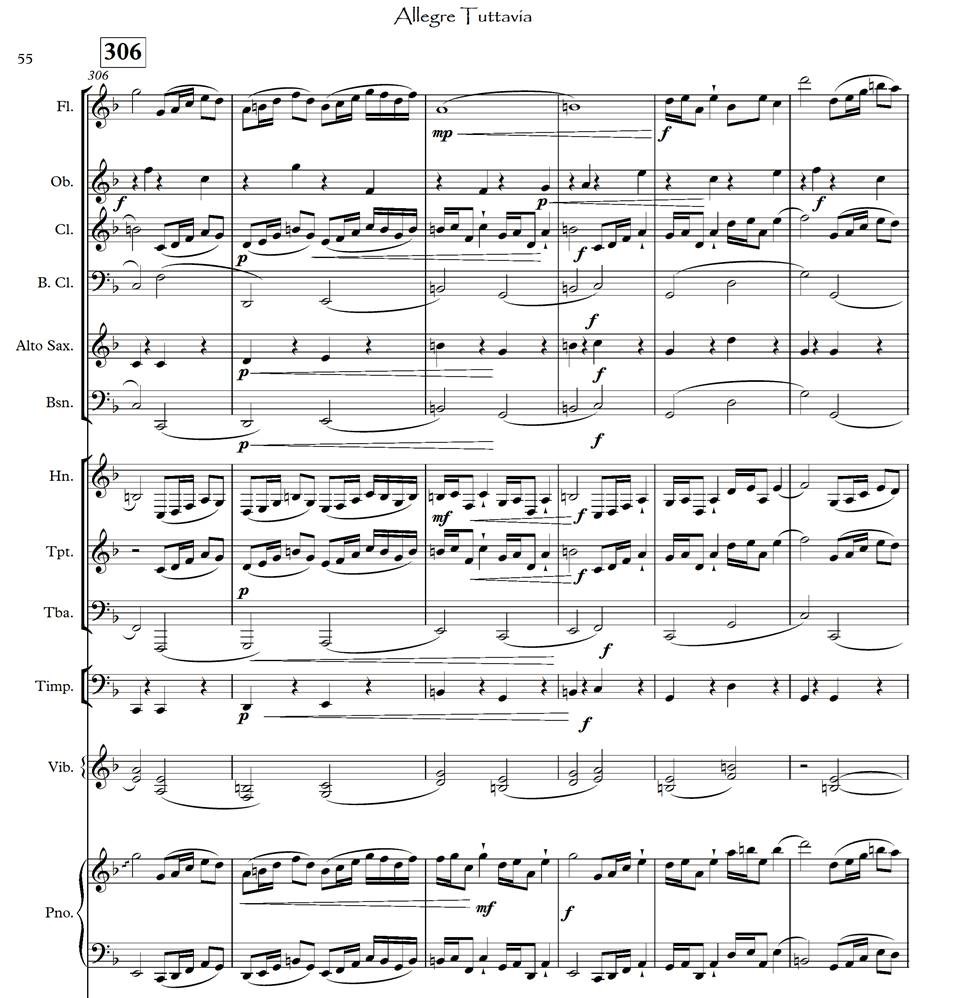
Our long-time blogger David Canter considers what he has learned while completing his PhD in music composition. He spent a lifetime as a social scientist, requiring every argument to be bolstered by some form of empirical evidence, or at least a supportive citation from the works of others. The contrast of developing an approach to composing music that can be regarded as ‘a contribution to knowledge’, has made him aware that there are many ways of knowing which scientists, especially social scientists and psychologists, ignore at their peril.

David Canter considers whether ‘all-purpose’ police forces a no longer fit for purpose.

David Canter considers some implications of ChatGPT and what it tells us about real intelligence, general, artificial or otherwise.
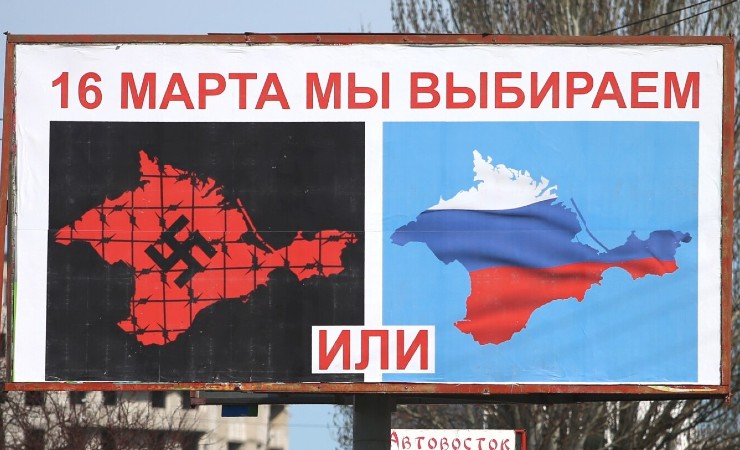
David Canter considers the strange phenomena of Russians believing Putin’s propaganda.
David Canter considers the sorts of psychological processes that may be shaping Vladimir Putin’s actions.
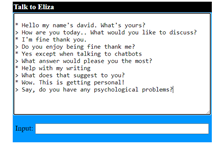
David Canter follows his concern that psychologists are losing contact with people by considering how computers are presented as replacements for human ‘intelligence’. This ignores the importance of in situ person to person contact, which has been shown by the COVID pandemic to be so crucial for people.

David Canter discusses the alienation between people that is being generated by a combination of fears of interpersonal contact and the power of the internet. Is a new world emerging in which isolated avatars replace social interaction?

My absence from these pages has been a produce of many forces. Paradoxically, pandemic-related lockdown has made access through the internet to […]

Jürgen Habermas, a globally known social theorist whose explorations of democracy, validity and communication have gained new prominence in the current moment, […] People often see science as a world apart: cool, rational and untouched by persuasion or performance. In this view, scientists simply discover […] “Research impact” means different things to different people. Some refer broadly to how science changes behaviors, beliefs, or practices outside academic institutions. […] David Canter considers informal places where people socialize, suggesting they’re an arena ChatGPT and other LLMs can’no’t replicate. As someone who lives […] It’s become cliche since Clive Humbly coined it in 2006, but data is indeed the new oil. It’s a mantra repeated by […] In September 2025, The Guardian reported about a lawyer in Australia having faced sanctions due to false citations. These citations were not […]
EXPLORE
Impact

Jürgen Habermas, 1929-2026: Exponent of the Public Sphere
READ MORE

Scientists Should Keep in Mind It’s Called the ‘Marketplace of Ideas’ for a Reason
READ MORE

Survey Finds Social Scientists Feel Unsupported in Seeking Societal Impact
READ MORE
Innovation

Reaching Parts to Which AI Has No Access
READ MORE

Andrea Medina-Smith on Making Research Data More FAIR
READ MORE

A Status Check on Hallucinated Case Law Incidents
READ MORE