
Could Distributed Peer Review Better Decide Grant Funding?
The landscape of academic grant funding is notoriously competitive and plagued by lengthy, bureaucratic processes, exacerbated by difficulties in finding willing reviewers. Distributed […]
Today Social Science Space completes a series drawn from five winners of Britain’s Economic and Social Science Research Council’s 2018 Impact Prize to learn how they built meaningfulness into their own research and how they measure impact more broadly. We end with Denise Baden of the University of Southampton, winner of the Outstanding Impact in Business and Enterprise prize.
Kevin Bales’ work on modern slavery won his one of Britain’s Economic and Social Science Research Council’s 2018 Impact Prize. We’ve asked him how he built meaningfulness into his own research and how to measure impact more broadly.
New year, new research? Hear from five ESRC Impact Prize winners on how and what real research impact looks like as you set your own research goals for 2019. Today it’s Abigail Dymond from the University of Exeter.
In the next few days Social Science Space will hear from five winners of Britain’s Economic and Social Science Research Council’s 2018 Impact Prize to learn how they built meaningfulness into their own research and how they measure impact more broadly. We continue today with Matthew Flinders of the University of Sheffield, winner of the Impact Champion prize.
New year, new research? Hear from five ESRC Impact Prize winners on how and what real research impact looks like as you set your own research goals for 2019.
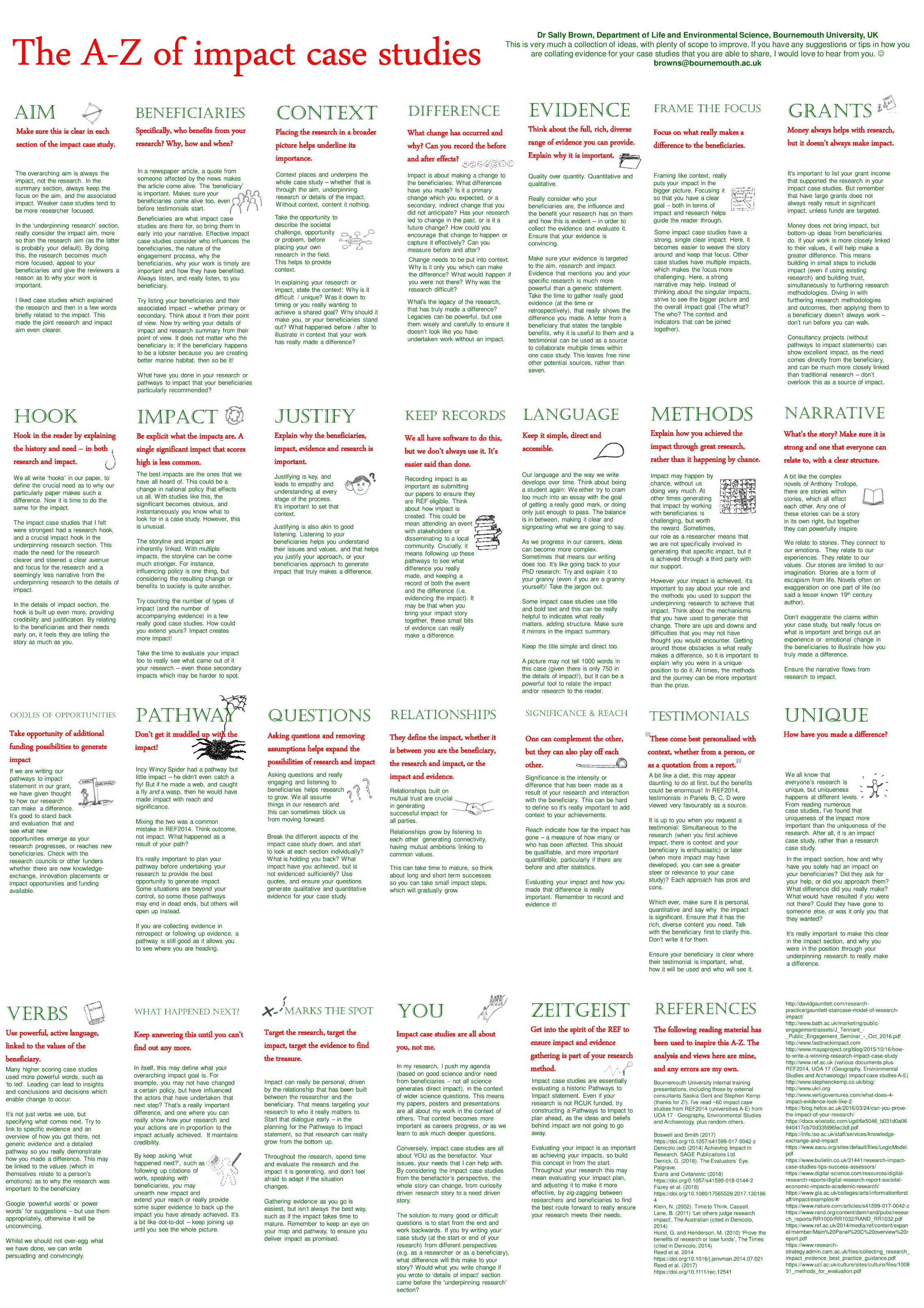
With submission to REF 2021 now less than two years away, university staff and academics are stepping up work to present their best examples of research impact. Sally Brown has compiled this useful A to Z to form compelling impact case studies.
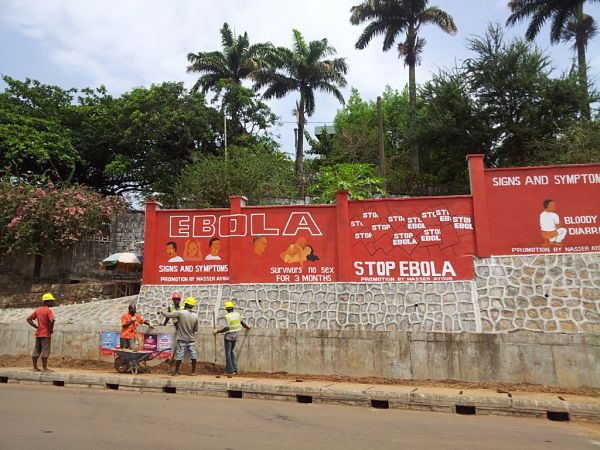
The Congo’s devastating Ebola outbreak demands that a critical component of that international response should be to rapidly identify and deploy national and international social scientists, with knowledge of the local context, who can work together to develop the protocols and tools needed to implement social science research so essential for outbreak control.

The Golden Goose Awards, which honor scientists whose research the U.S. government funded even though the initial premise may not have screamed ‘immediate application,’ is looking for a few good social scientists to honor.
Jürgen Habermas, a globally known social theorist whose explorations of democracy, validity and communication have gained new prominence in the current moment, […] People often see science as a world apart: cool, rational and untouched by persuasion or performance. In this view, scientists simply discover […] “Research impact” means different things to different people. Some refer broadly to how science changes behaviors, beliefs, or practices outside academic institutions. […] David Canter considers informal places where people socialize, suggesting they’re an arena ChatGPT and other LLMs can’no’t replicate. As someone who lives […] It’s become cliche since Clive Humbly coined it in 2006, but data is indeed the new oil. It’s a mantra repeated by […] In September 2025, The Guardian reported about a lawyer in Australia having faced sanctions due to false citations. These citations were not […]
EXPLORE
Impact
Jürgen Habermas, 1929-2026: Exponent of the Public Sphere
READ MORE

Scientists Should Keep in Mind It’s Called the ‘Marketplace of Ideas’ for a Reason
READ MORE

Survey Finds Social Scientists Feel Unsupported in Seeking Societal Impact
READ MORE
Innovation
Reaching Parts to Which AI Has No Access
READ MORE

Andrea Medina-Smith on Making Research Data More FAIR
READ MORE

A Status Check on Hallucinated Case Law Incidents
READ MORE