

Could Distributed Peer Review Better Decide Grant Funding?
The landscape of academic grant funding is notoriously competitive and plagued by lengthy, bureaucratic processes, exacerbated by difficulties in finding willing reviewers. Distributed […]
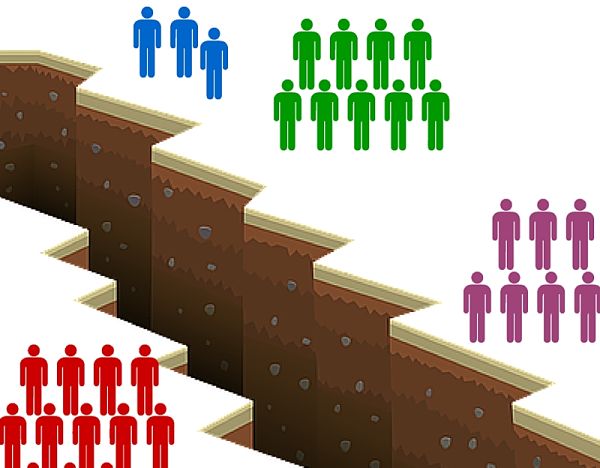
There is a divide in how academics from the humanities and social sciences view open access publishing compared to their colleagues in the science, technology and medical fields: HSS is notably more skittish about OA.
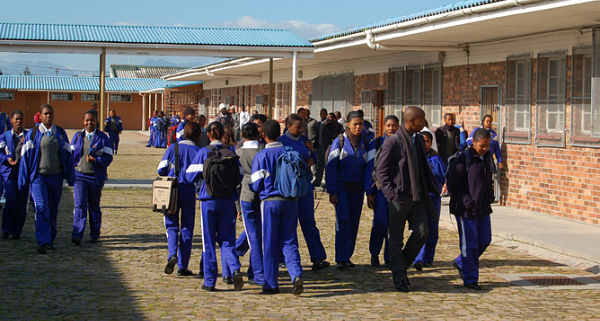
Individual academics and institutions have driven the open access process in South Africa. This bottom-up approach has its merits, argue John Butler-Adam, Susan Veldsman and Ina Smith, but a push from the top is needed to ensure that the nation stays on track.
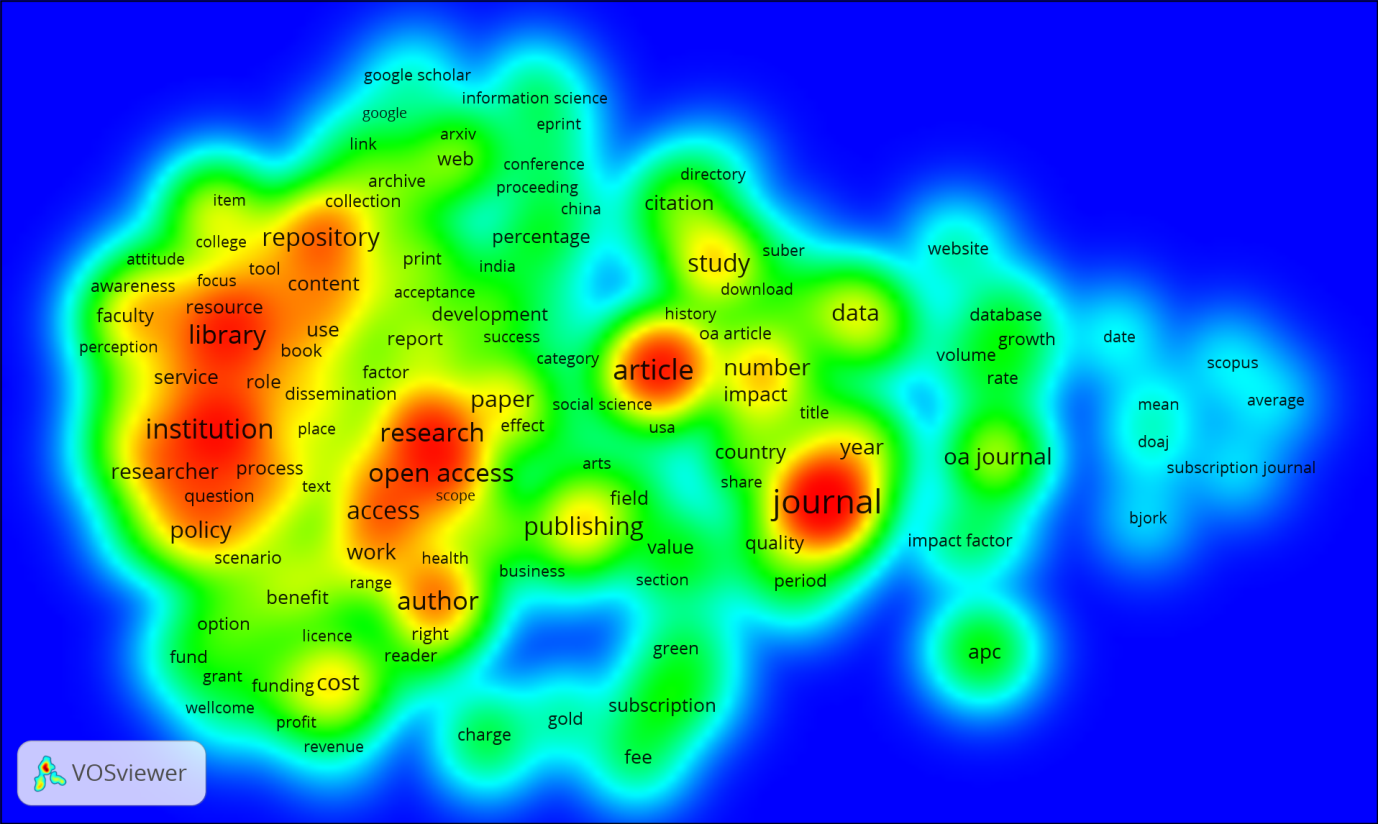
Open Access Week starts today and in honor Stephen Pinfield provides an overview of 18 propositions on open access identified through an extensive analysis of the discourse. It is clear that whilst OA has come a long way in the last five years, there is a lot to do in making open access work.
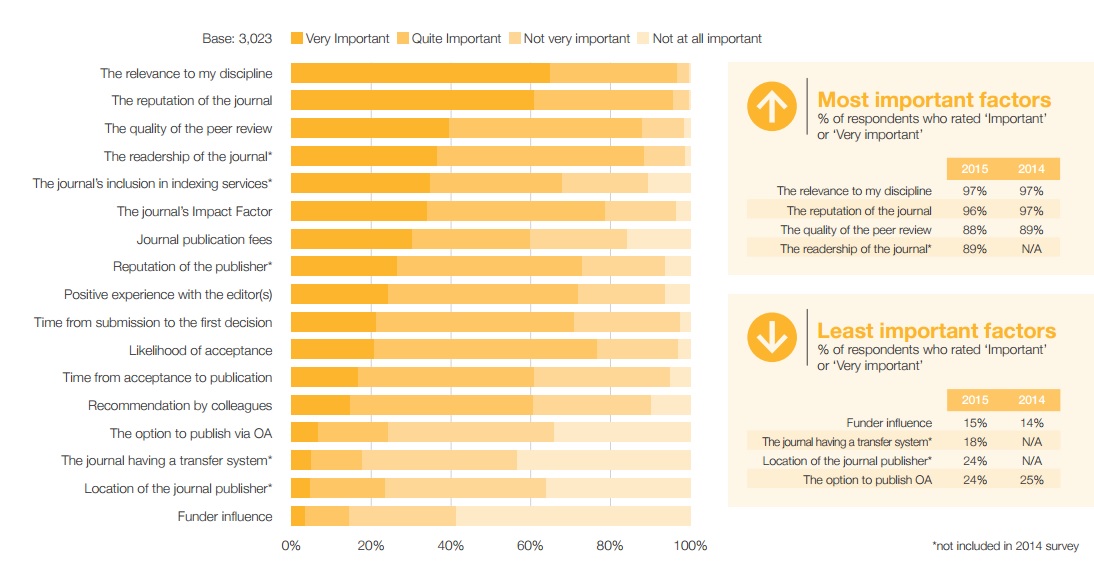
The head of insights at Nature Publishing Group and Palgrave Macmillan shares findings from a recent survey of authors that finds few researchers are now unaware of open access, but their perceptions of quality still remain a significant barrier to further OA involvement.
No one ever assumed that everything in print was trustworthy, says Virginia Barbour, and neither should that be the case for open access content. Content is what matters – whether delivered by open access, subscription publishing, or a printed document.
The U.S. National Archives has set itself the gargantuan goal of digitizing its full collection. Social scientists can now weigh in on what documents should go to the head of the line.
Are universities able to shoulder the costs of the open access transition, especially as the total cost of publishing is, for the moment, rising? Stephen Pinfield presents findings on the current state of institutional costs.
New research indicates that self-archived, or ‘green’ open-access articles, regardless of format, receive significantly higher citation counts than do non-OA articles from the same editions of the same major political science journals.
Jürgen Habermas, a globally known social theorist whose explorations of democracy, validity and communication have gained new prominence in the current moment, […] People often see science as a world apart: cool, rational and untouched by persuasion or performance. In this view, scientists simply discover […] “Research impact” means different things to different people. Some refer broadly to how science changes behaviors, beliefs, or practices outside academic institutions. […] David Canter considers informal places where people socialize, suggesting they’re an arena ChatGPT and other LLMs can’no’t replicate. As someone who lives […] It’s become cliche since Clive Humbly coined it in 2006, but data is indeed the new oil. It’s a mantra repeated by […] In September 2025, The Guardian reported about a lawyer in Australia having faced sanctions due to false citations. These citations were not […]
EXPLORE
Impact

Jürgen Habermas, 1929-2026: Exponent of the Public Sphere
READ MORE

Scientists Should Keep in Mind It’s Called the ‘Marketplace of Ideas’ for a Reason
READ MORE

Survey Finds Social Scientists Feel Unsupported in Seeking Societal Impact
READ MORE
Innovation

Reaching Parts to Which AI Has No Access
READ MORE

Andrea Medina-Smith on Making Research Data More FAIR
READ MORE

A Status Check on Hallucinated Case Law Incidents
READ MORE