

Could Distributed Peer Review Better Decide Grant Funding?
The landscape of academic grant funding is notoriously competitive and plagued by lengthy, bureaucratic processes, exacerbated by difficulties in finding willing reviewers. Distributed […]
This compilation of podcast series covers a host of topics and focus on specific subjects that pertain to the social and behavioral […]
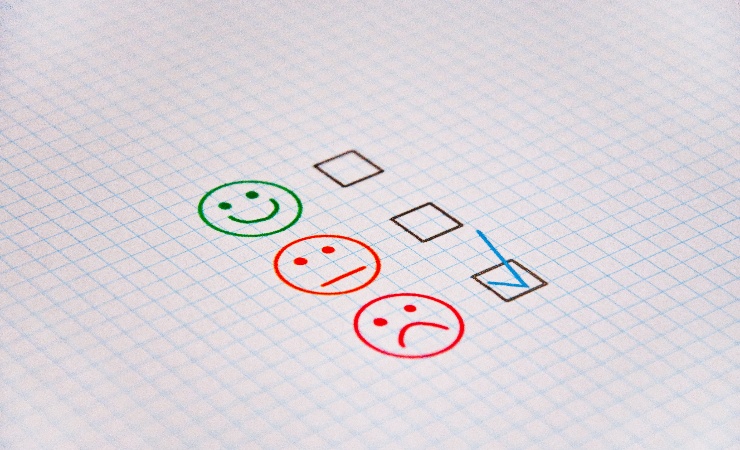
The latest American election made it evident that polls faltered, overall. And that misstep promises to resonate through the field of survey research.
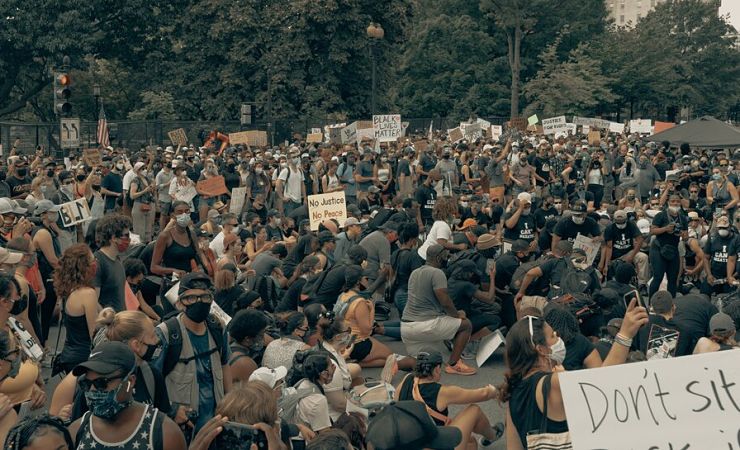
This year has exposed a lot of glaring flaws in how modern society functions, not least of which its relationship with race […]
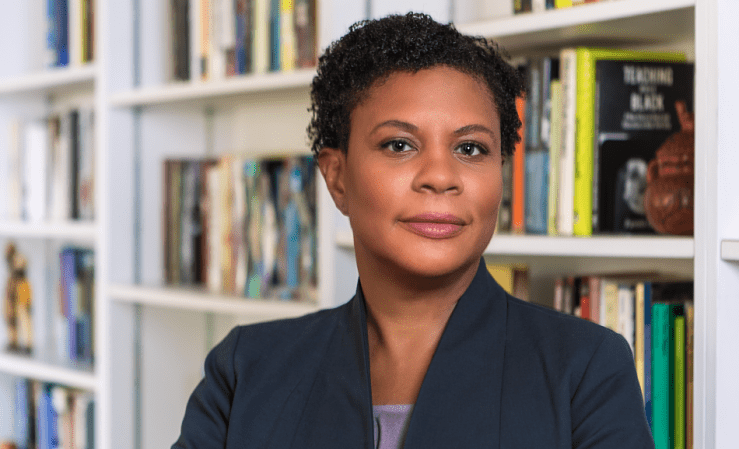
In this Social Science Bites podcast, sociologist Alondra Nelson describes her particular interest in those root seekers whose antecedents were “stolen from African” in the slave trade who make up so much of the African diaspora.

What is WeChat, and what does it do? Apart from ethnically suspect attacks on the platform itself, its ability to socially engineer discussion in China is a genuine concern.

The author of a new book on the response to the coronavirus tries first to understand how apparently sane people could think it made sense to implement damaging policies, and secondly asks how the public might ensure that such a disastrous episode can never happen again.
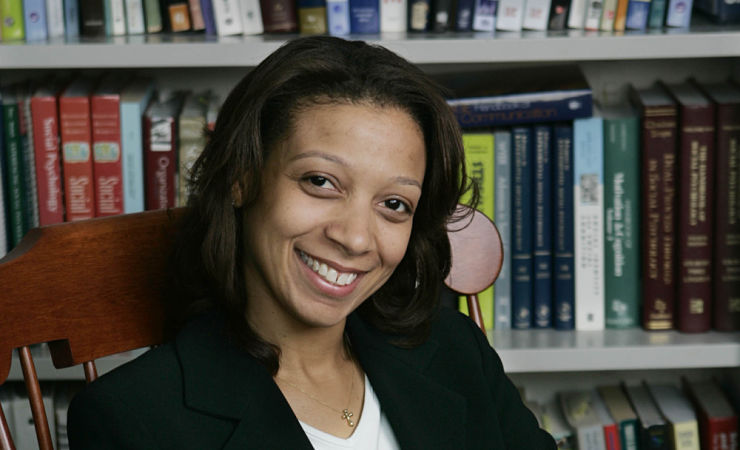
Yale University social psychologist Jennifer Richeson, whose research into intergroup interactions has created a much deeper understanding of inequality and racism in the United States, will receive the 2020 SAGE-CASBS Award.
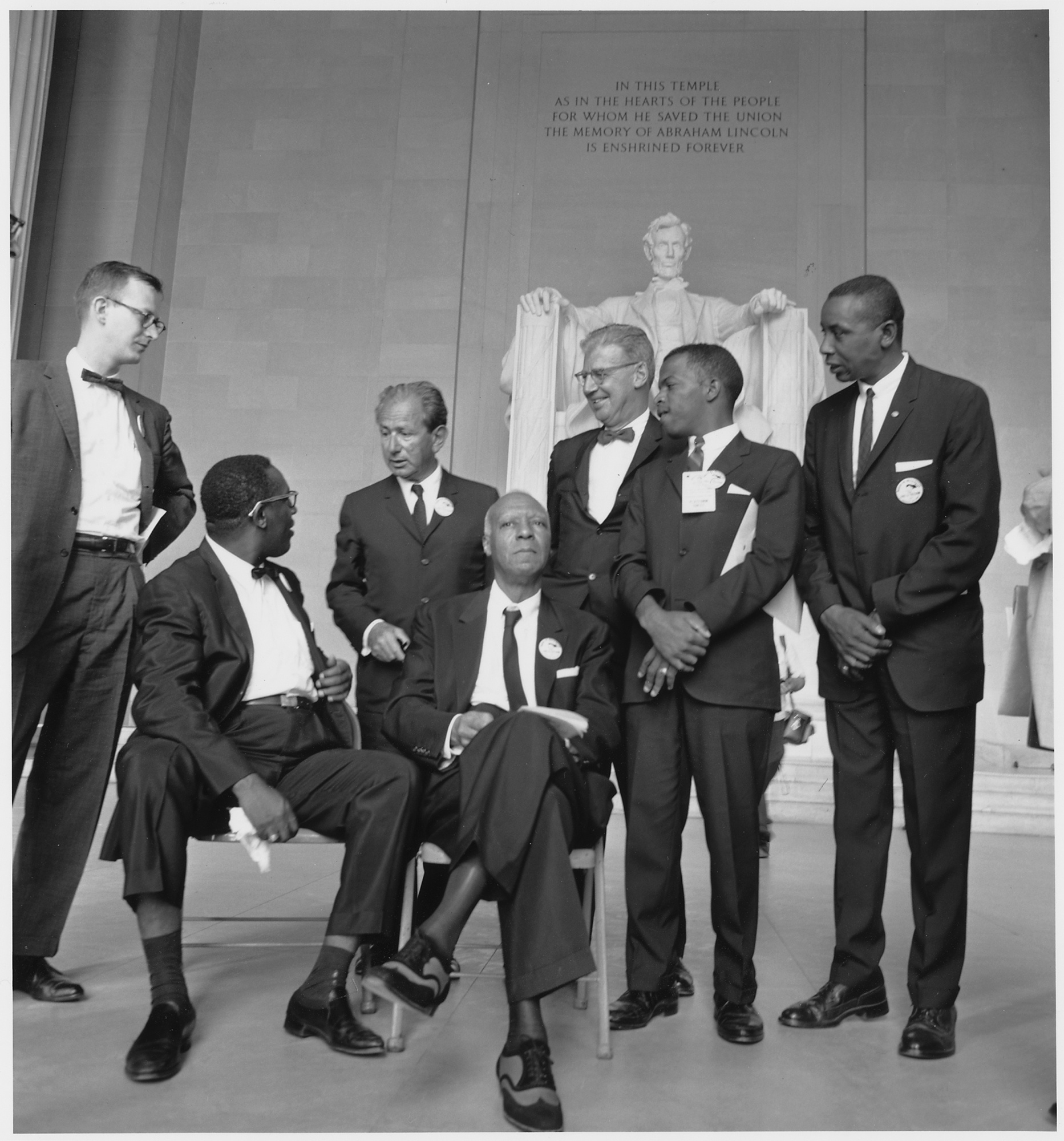
Dr. Patricia Reid-Merritt, professor of Africana Studies and Social Work at Stockton University, considers the history of the Civil Rights Movement in conjunction with today’s Black Lives Matter. In this essay, she offers Americans struggling for liberation and Black freedom a four-step plan for social change.


Jürgen Habermas, a globally known social theorist whose explorations of democracy, validity and communication have gained new prominence in the current moment, […] People often see science as a world apart: cool, rational and untouched by persuasion or performance. In this view, scientists simply discover […] “Research impact” means different things to different people. Some refer broadly to how science changes behaviors, beliefs, or practices outside academic institutions. […] David Canter considers informal places where people socialize, suggesting they’re an arena ChatGPT and other LLMs can’no’t replicate. As someone who lives […] It’s become cliche since Clive Humbly coined it in 2006, but data is indeed the new oil. It’s a mantra repeated by […] In September 2025, The Guardian reported about a lawyer in Australia having faced sanctions due to false citations. These citations were not […]
EXPLORE
Impact

Jürgen Habermas, 1929-2026: Exponent of the Public Sphere
READ MORE

Scientists Should Keep in Mind It’s Called the ‘Marketplace of Ideas’ for a Reason
READ MORE

Survey Finds Social Scientists Feel Unsupported in Seeking Societal Impact
READ MORE
Innovation

Reaching Parts to Which AI Has No Access
READ MORE

Andrea Medina-Smith on Making Research Data More FAIR
READ MORE

A Status Check on Hallucinated Case Law Incidents
READ MORE