



Could Distributed Peer Review Better Decide Grant Funding?
The landscape of academic grant funding is notoriously competitive and plagued by lengthy, bureaucratic processes, exacerbated by difficulties in finding willing reviewers. Distributed […]

Crystal clear graphs, slides, and reports are valuable – they save an audience’s mental energies, keep a reader engaged, and make you look smart. This webinar covers the science behind presenting data effectively and will leave viewers with direct, pointed changes that can be immediately administered to significantly increase impact.
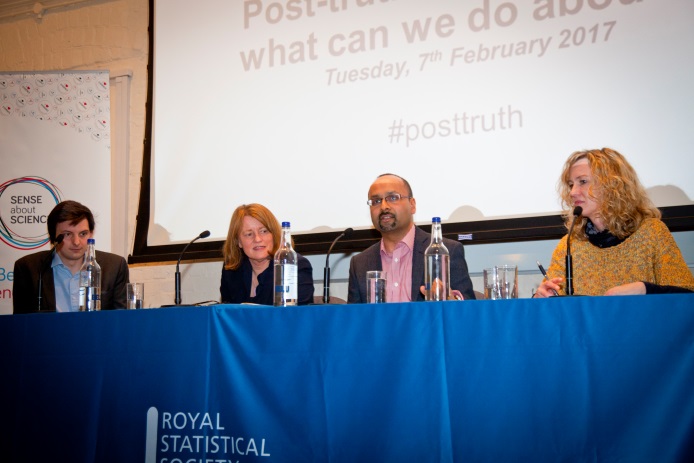
At a panel debate held by the Royal Statistical Society titled ‘Post-truth: what is it and what can we do about it,’ panelists from BuzzFeed, Sense about Science, Full Fact, the Oxford Internet Institute and the RSS debated this new phenomenon.
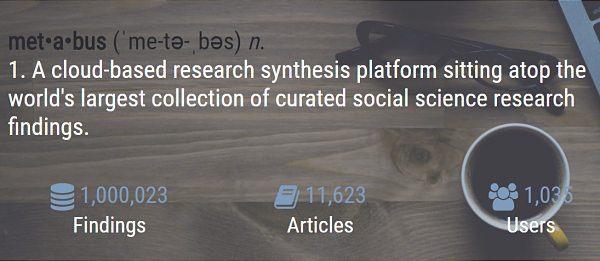
metaBUS, a free new online research tool, aims to help revolutionize social science research.

The U.S. National Institutes of Health debuted its NIH Behavioral and Social Sciences Research Festival on December 2, an event which focused on research underway in the past year.
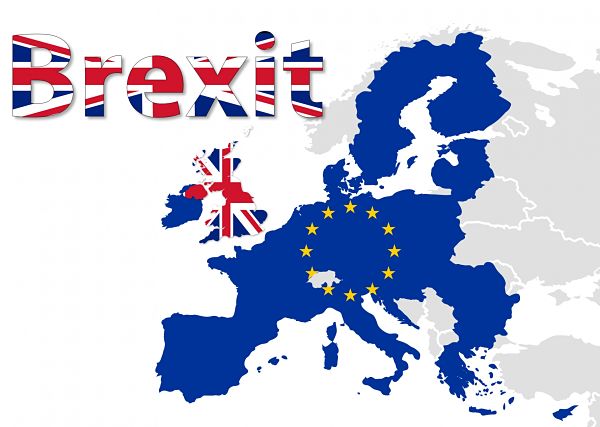
SAGE Publishing is providing free access to a range of academic research which engages directly with the Brexit referendum and its potential impacts or gives a background on the UK-EU relationship.
SAGE Publishing surveyed social scientists around the world to learn more about who engages in research using ‘big data,’ and what challenges they face as well as the barriers facing those who are interested in conducting computational social science going forward.
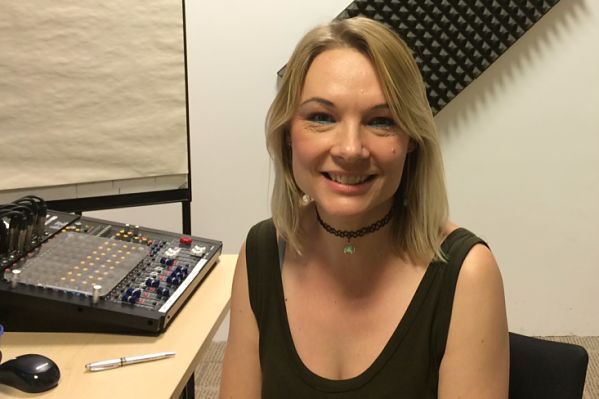
Sociologist has studied the dance club scene — think of the lamented Fabric nightclub as a cultural touchstone — for years as a ‘participant observer.’ In this Social Science Bites podcast she talks about the scene’s obvious drug use and the mechanics of doing ethnography at a rave.
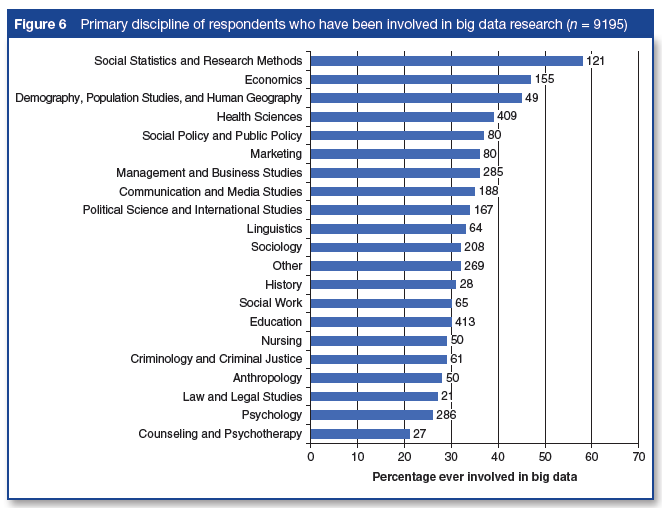
A new survey shoots down the idea that early-career researchers aresomehow more likely to be digital natives and therefore more apt to conduct computational social science than those whose PhDs were issued more than a decade ago.
Jürgen Habermas, a globally known social theorist whose explorations of democracy, validity and communication have gained new prominence in the current moment, […] People often see science as a world apart: cool, rational and untouched by persuasion or performance. In this view, scientists simply discover […] “Research impact” means different things to different people. Some refer broadly to how science changes behaviors, beliefs, or practices outside academic institutions. […] David Canter considers informal places where people socialize, suggesting they’re an arena ChatGPT and other LLMs can’no’t replicate. As someone who lives […] It’s become cliche since Clive Humbly coined it in 2006, but data is indeed the new oil. It’s a mantra repeated by […] In September 2025, The Guardian reported about a lawyer in Australia having faced sanctions due to false citations. These citations were not […]
EXPLORE
Impact

Jürgen Habermas, 1929-2026: Exponent of the Public Sphere
READ MORE

Scientists Should Keep in Mind It’s Called the ‘Marketplace of Ideas’ for a Reason
READ MORE

Survey Finds Social Scientists Feel Unsupported in Seeking Societal Impact
READ MORE
Innovation

Reaching Parts to Which AI Has No Access
READ MORE

Andrea Medina-Smith on Making Research Data More FAIR
READ MORE

A Status Check on Hallucinated Case Law Incidents
READ MORE