


Could Distributed Peer Review Better Decide Grant Funding?
The landscape of academic grant funding is notoriously competitive and plagued by lengthy, bureaucratic processes, exacerbated by difficulties in finding willing reviewers. Distributed […]

“The most important thing in the Olympic Games is not winning but taking part.” So goes the famous saying. But does the same apply for competitive research grants? Charles Ayoubi, Michele Pezzoni and Fabiana Visentin report on their study which finds that simply taking part in an application process has a positive effect on researchers.

In the latest of its monthly series of interdisciplinary microsites addressing important public issues, SAGE Publishing is offering free access to a suite academic articles that focus on artificial intelligence.
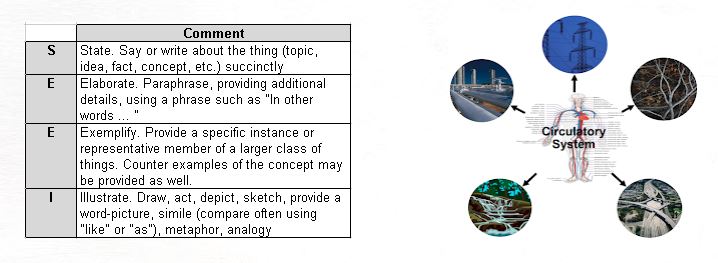
Dr. Maxine Atkinson shares her thoughts and challenges on how application is a crucial step to teaching foundational concepts. “One of the challenges we all face when teaching a foundational concept is making sure that student comprehension is strong and that they will be able to apply the concept throughout the course.”

‘There are many ways you could use a 3-2-1 with Sociology in Action,’ says Dr. Maxine Atkinson. In a new SIA blog post, Atkinson describes some of her failures while teaching and the realization on the reason why her lessons weren’t always reaching the students.
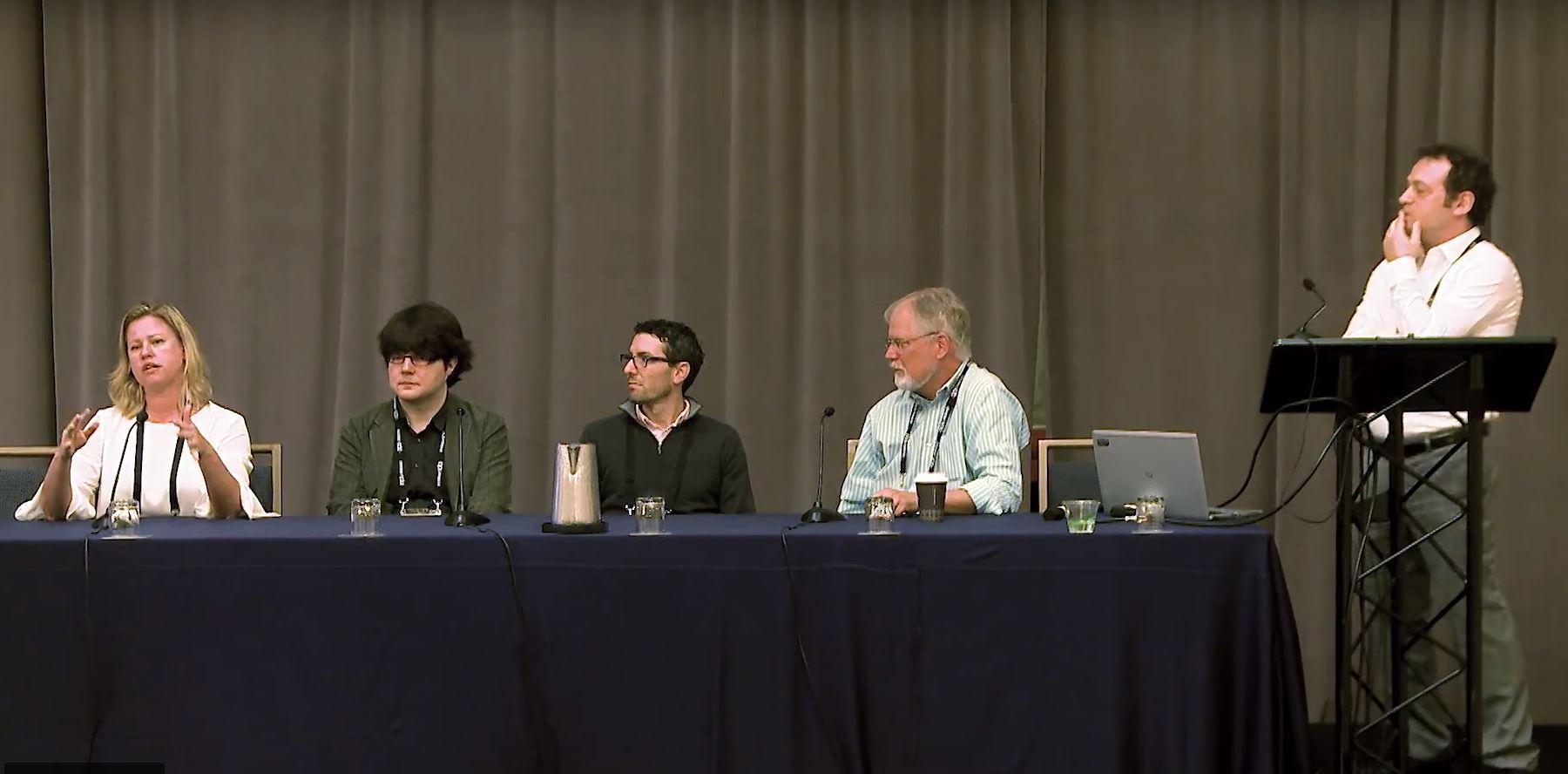
What exactly does the tech industry want from social and behavioral scientists? That was the focus of a SAGE Publishing-sponsored panel at the annual meeting of the Association for Psychological Science In San Francisco this summer. Panelists were four representatives from tech, ranging from big players like Google to startups like Jaunt.

Journalism professor Vince Filak opted to be a nice guy and answer a quick survey from a university he’d once attended. ‘I’m not sure how much help I was to the people who put the survey out,’ he says, ‘but given the various problems I had with this survey, I’m hoping I can help you all learn how to avoid what went wrong for them.’

In the latest of its monthly series of interdisciplinary microsites addressing important public issues, SAGE Publishing is offering free access to a suite academic articles that focus on research about big data through November 15.

Author of SAGE textbook “Introduction to Educational Research,” and TEDx lecturer Dr. Craig A. Mertler draws on his 32 years of […]

The Royal Swedish Academy of Sciences has awarded this year’s Nobel Prize in Economic Sciences to the American economists Robert E. Hall […] Four Americans working in the social and behavioral sciences are among the 20 people named MacArthur Fellows this year. Recipients may be […] Euan Adie, the founder of Altmetric and later of Overton, discusses the reasons the led to Overton’s focus on showing researchers how […] The following is an adapted extract from The Cultural Industries, fifth edition, by David Hesmondhalgh. The increasing presence of information technology (IT) […] Developers of AI data centers have a public trust problem. According to multiple surveys, a majority of Americans say they would oppose […] I was adding some final flourishes on the topic of ‘iatrocracy’ to my forthcoming book with Natewindé Sawadogo – Sickness and Social […]
EXPLORE
Impact
Economic Peaks, Troughs and This Year’s Nobelists in Economics
READ MORE

Four From Social Science World Receive 2026 MacArthur Fellowships
READ MORE

Quick Insight: Euan Adie on Getting Academics Credit for Their Impact
READ MORE
Innovation
IT Giants and Their Operations: Should We Be Concerned?
READ MORE

What We Miss When We Study Public Trust with Surveys Alone
READ MORE

AI and ‘Iatrocracy’ – A Cautionary Tale
READ MORE