



Could Distributed Peer Review Better Decide Grant Funding?
The landscape of academic grant funding is notoriously competitive and plagued by lengthy, bureaucratic processes, exacerbated by difficulties in finding willing reviewers. Distributed […]
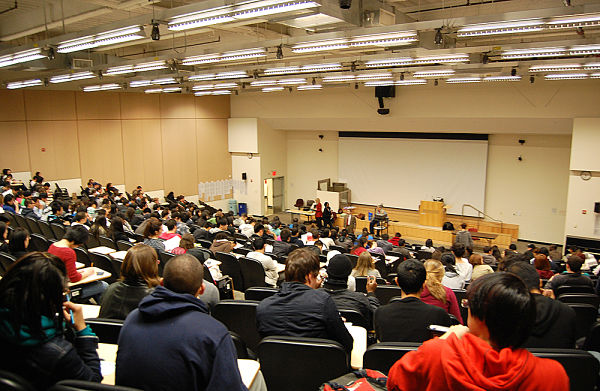
In the second installment of our Sociology in Action series, Dr. Maxine P. Atkinson shares her secrets on what makes a good lecture stick. Hint: engagement and involvement.
What constitutes active learning? How can you tell if a teaching technique qualifies as active? “A simple way to distinguish active learning,” says Dr. Maxine Atkinson, “is to ask the question: Who is doing the intellectual work?”
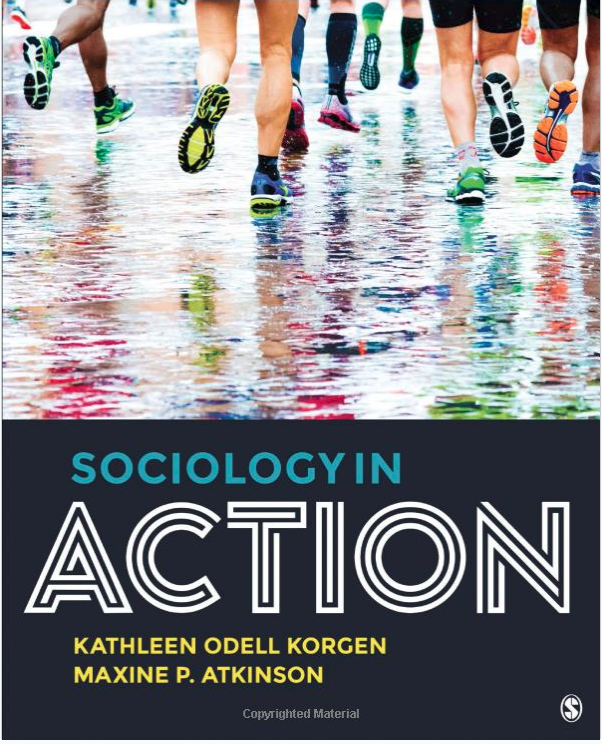
Among the top-ranked liberal arts schools, all but one offer sociology courses that include active learning experiences. The same is not true for AASCU schools with only 1/3 having these courses. The good news is that now all instructors—no matter the size of their classes or their school’s endowment—can find ways to incorporate active learning into their courses.

The third post from our new Sociology in Action series! Ever wonder what your online students have retained at the end of the course? Professor Kathleen Odell Korgen did also and she used “extra credit” to find out.

New Video highlighting the July 19th session held at the Brookings Institution on the new 2018 volume of The ANNALS of the American Academy of Political and Social Science. Featuring Sen. Todd Young (R) & Sen. Tom Carper (D), assessing how ‘evidence in public policy is faring, currently, in the Trump administration.
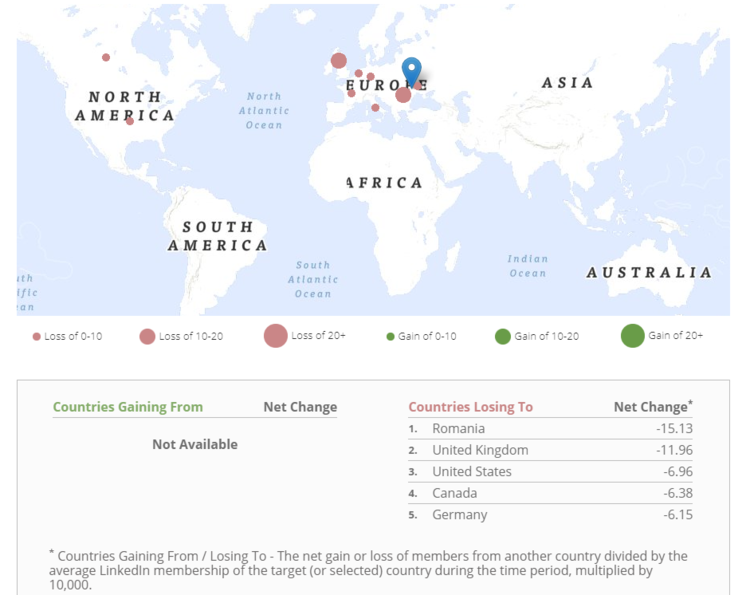
Linked In is a potential treasure trove for researchers, but it has limitations on both how much data to use and how to obtain it. But a since 2017 the company has been offering teams of researchers a chance to explore its riches.

March for Science wants to continue the momentum from their global marches with the first ever March for Science three-day summit aimed at teaching community organizing and communication skills, and advocacy. The event, called the S|IGNS SUMMIT, will be held starting on July 6 in Chicago.

The negative consequences of relying too heavily on metrics to assess research quality are well known, potentially fostering practices harmful to scientific research such as p-hacking, salami science, or selective reporting. To address this systemic problem, Florian Naudet, and collegues present six principles for assessing scientists for hiring, promotion, and tenure.

The Royal Swedish Academy of Sciences has awarded this year’s Nobel Prize in Economic Sciences to the American economists Robert E. Hall […] Four Americans working in the social and behavioral sciences are among the 20 people named MacArthur Fellows this year. Recipients may be […] Euan Adie, the founder of Altmetric and later of Overton, discusses the reasons the led to Overton’s focus on showing researchers how […] The following is an adapted extract from The Cultural Industries, fifth edition, by David Hesmondhalgh. The increasing presence of information technology (IT) […] Developers of AI data centers have a public trust problem. According to multiple surveys, a majority of Americans say they would oppose […] I was adding some final flourishes on the topic of ‘iatrocracy’ to my forthcoming book with Natewindé Sawadogo – Sickness and Social […]
EXPLORE
Impact
Economic Peaks, Troughs and This Year’s Nobelists in Economics
READ MORE
Four From Social Science World Receive 2026 MacArthur Fellowships
READ MORE

Quick Insight: Euan Adie on Getting Academics Credit for Their Impact
READ MORE
Innovation
IT Giants and Their Operations: Should We Be Concerned?
READ MORE

What We Miss When We Study Public Trust with Surveys Alone
READ MORE

AI and ‘Iatrocracy’ – A Cautionary Tale
READ MORE