

Could Distributed Peer Review Better Decide Grant Funding?
The landscape of academic grant funding is notoriously competitive and plagued by lengthy, bureaucratic processes, exacerbated by difficulties in finding willing reviewers. Distributed […]
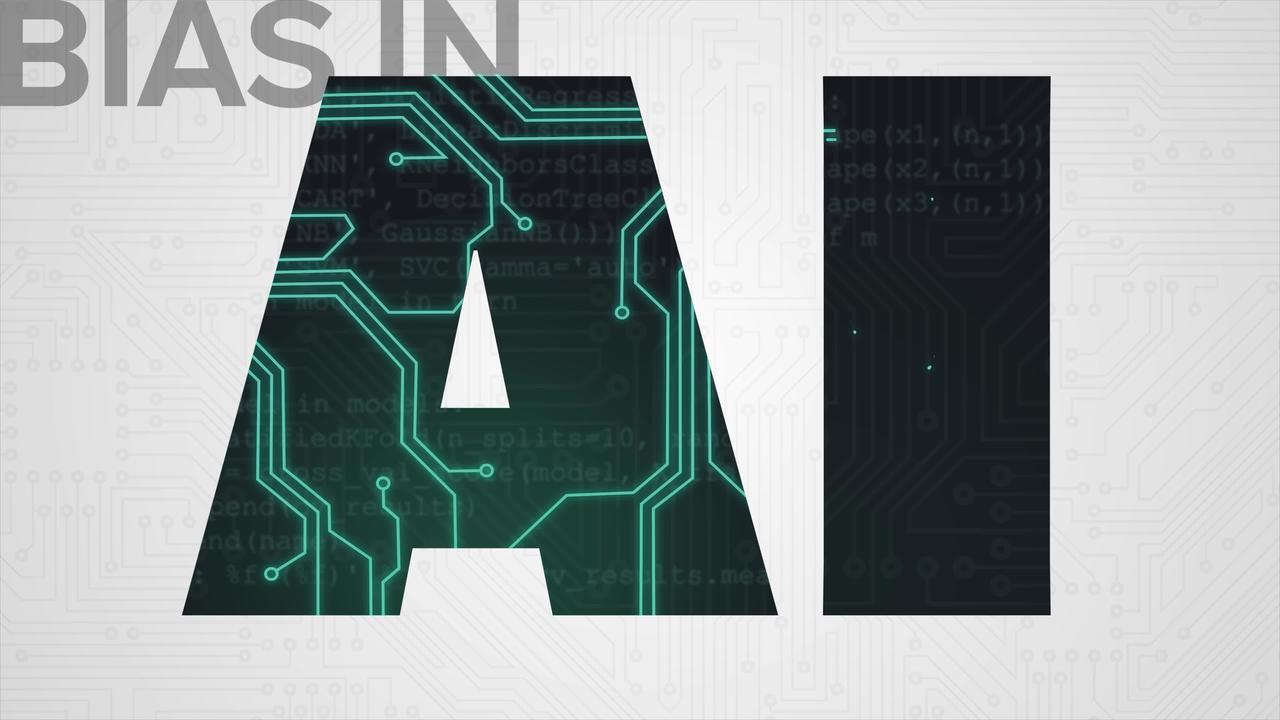
According to NIST’s Reva Schwartz, bias manifests itself not only in artificial intelligence algorithms and the data used to train them, but also in the societal context in which AI systems are used.
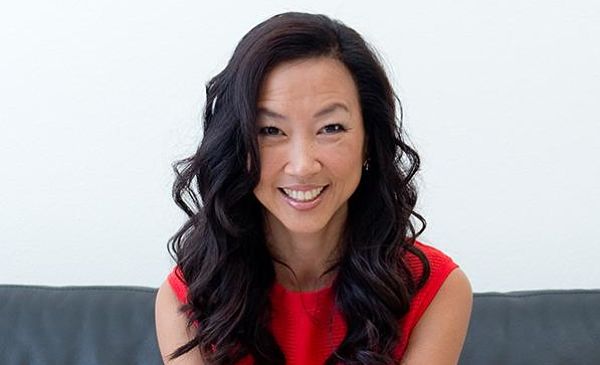
The twin prods of a U.S. president trying to rebrand the coronavirus as the ‘China virus’ and a bloody attack in Atlanta that left six Asian women dead have brought to the fore a spate of questions about Asian Americans in the United States.
Sociologist Jennifer Lee is answering those questions.
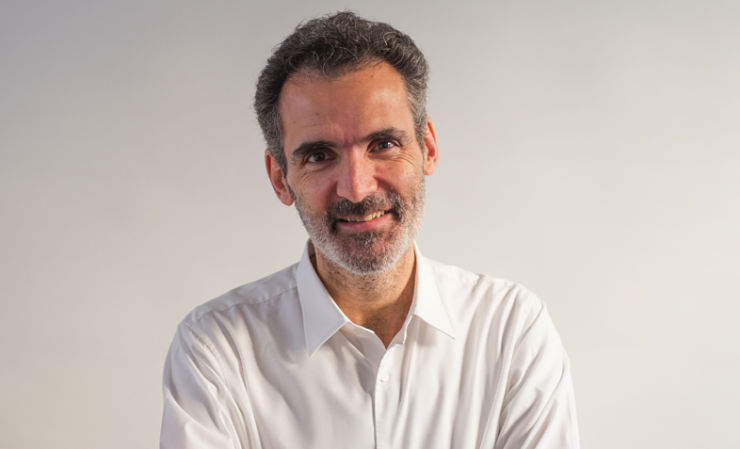
In the context of human action, management professor at HEC Paris and former McKinsey senior partner Olivier Sibony defines “noise” as the unwanted variability in human judgment.

For decades, American society has normalized the presence of anti-Asian humor. Caricatured on television, belittled at comedy clubs, targeted on social media, and mocked in private conversations, this subtle, yet widely accepted form of racism dehumanizes the Asian American Pacific Islander (AAPI) community.
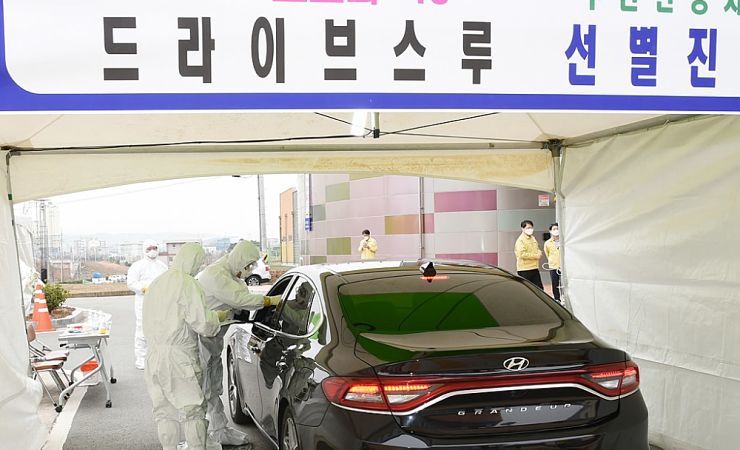
The author of a new book on the response to the coronavirus tries first to understand how apparently sane people could think it made sense to implement damaging policies, and secondly asks how the public might ensure that such a disastrous episode can never happen again.

“The brain is an association-seeking machine,” Harvard social psychologist Mahzarin R. Banaji tells interviewer David Edmonds in this Social Science Bites podcast. “It puts things together that repeatedly get paired in our experience. Implicit bias is just another word for capturing what those are when they concern social groups.

Philosopher Tom Chatfield’s media presence – which is substantial – is often directly linked to his writings on technology. But his new book is on critical thinking, and while that involves humanity’s oldest computer, the brain, Chatfield explains in this Social Science Bites podcast that new digital realities interact with old human biases.
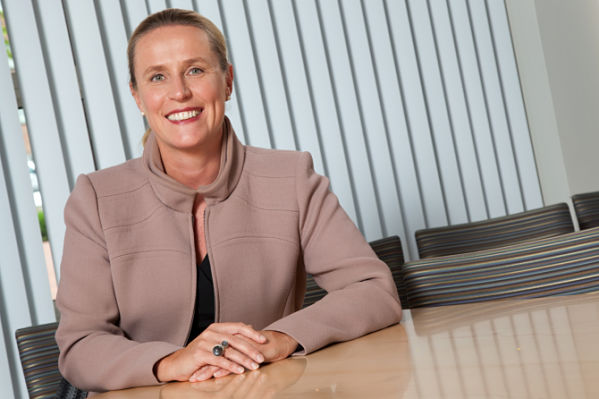
“As a behavioral scientist,” Iris Bohnet tells David Edmonds in this Social Science Bites podcast looking at implicit bias, “I strongly believe that we now do have the insights and the tools to help us promote behavior change, not by changing mindsets but changing organizations.”


Jürgen Habermas, a globally known social theorist whose explorations of democracy, validity and communication have gained new prominence in the current moment, […] People often see science as a world apart: cool, rational and untouched by persuasion or performance. In this view, scientists simply discover […] “Research impact” means different things to different people. Some refer broadly to how science changes behaviors, beliefs, or practices outside academic institutions. […] David Canter considers informal places where people socialize, suggesting they’re an arena ChatGPT and other LLMs can’no’t replicate. As someone who lives […] It’s become cliche since Clive Humbly coined it in 2006, but data is indeed the new oil. It’s a mantra repeated by […] In September 2025, The Guardian reported about a lawyer in Australia having faced sanctions due to false citations. These citations were not […]
EXPLORE
Impact

Jürgen Habermas, 1929-2026: Exponent of the Public Sphere
READ MORE

Scientists Should Keep in Mind It’s Called the ‘Marketplace of Ideas’ for a Reason
READ MORE

Survey Finds Social Scientists Feel Unsupported in Seeking Societal Impact
READ MORE
Innovation

Reaching Parts to Which AI Has No Access
READ MORE

Andrea Medina-Smith on Making Research Data More FAIR
READ MORE

A Status Check on Hallucinated Case Law Incidents
READ MORE