


Could Distributed Peer Review Better Decide Grant Funding?
The landscape of academic grant funding is notoriously competitive and plagued by lengthy, bureaucratic processes, exacerbated by difficulties in finding willing reviewers. Distributed […]
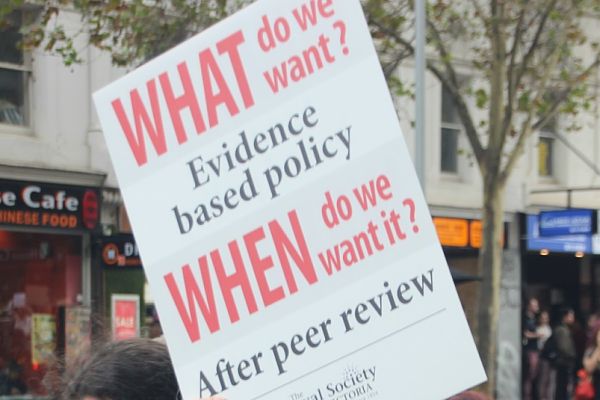
Oscar Williams recounts his experience traveling to the Houses of Parliament with Sense about Science’s “Evidence Week” initiative.
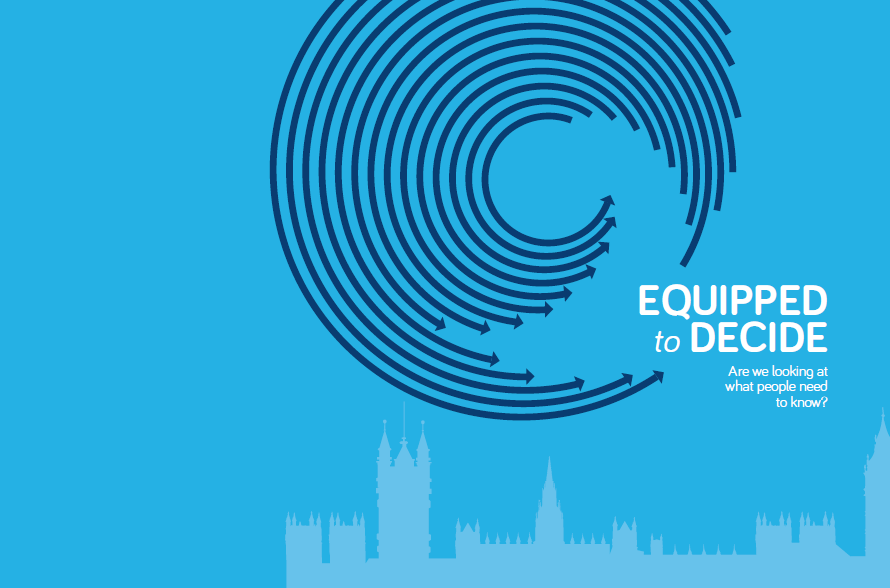
“The question we must therefore ask is: are we all really working to the best available picture of what is going on in the world?” So asks a new report that summarizes the themes discussed in June’s first-ever Evidence Week.
The head of Sense about Science discusses the importance of public reasoning and accountability and why the first ever Evidence Week is a timely response to the changing demands of meeting those ideals, especially among politicians and policymakers.
Ziyad Marar, the president of global publishing for SAGE, explains how SAGE’s values and its mission “to build bridges to knowledge” overlap with the intent of the United Kingdom’s Evidence Week, which takes place later this June.
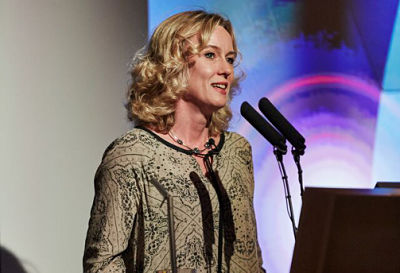
Sense About Science’s Tracey Browne last week delivered ‘The Ugly Truth’ – an examination of “the need to encourage accountability and support scrutiny over research” to an audience of academics, researchers, policymakers and learned societies.

Peer Review Week begins today, a week to explore the role of peer review in addressing academic quality and rigor. Here, Sense About Science details why it feels it’s important to explain peer review to the wider world.
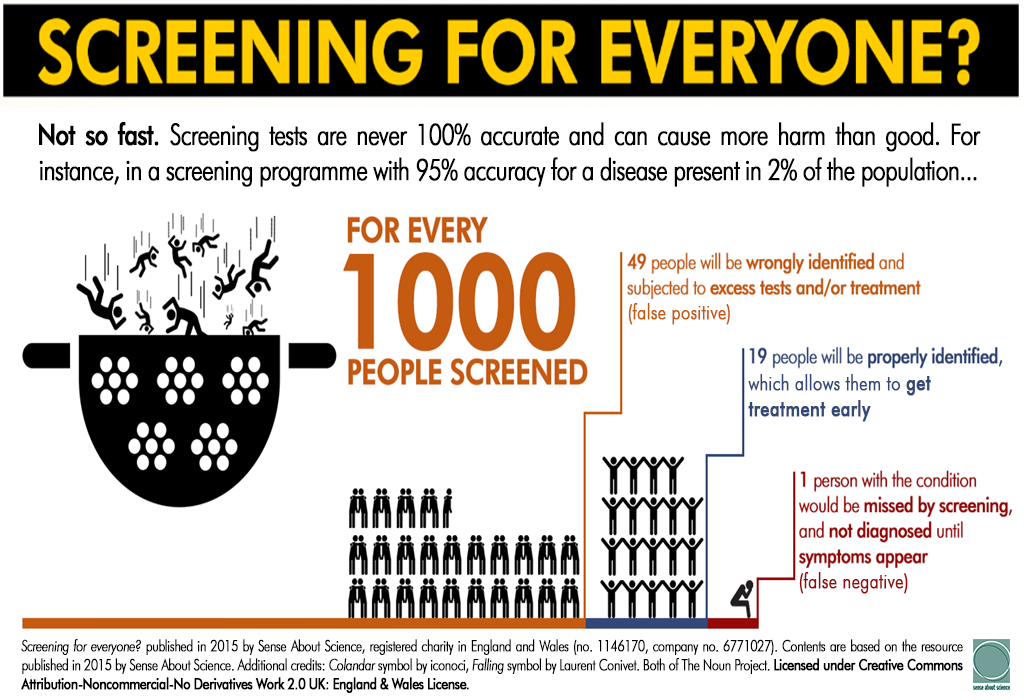
Misconceptions about how screening works, its limitations and possible harms are still being perpetuated by media stories and high profile cases, such […]
Having run the gantlet of online abuse and legal threats for their troubles, two top-notch science communicators have won this year’s John Maddox Prize for the their evidence-based good work and dedication in the face of adversity.
Jürgen Habermas, a globally known social theorist whose explorations of democracy, validity and communication have gained new prominence in the current moment, […] People often see science as a world apart: cool, rational and untouched by persuasion or performance. In this view, scientists simply discover […] “Research impact” means different things to different people. Some refer broadly to how science changes behaviors, beliefs, or practices outside academic institutions. […] David Canter considers informal places where people socialize, suggesting they’re an arena ChatGPT and other LLMs can’no’t replicate. As someone who lives […] It’s become cliche since Clive Humbly coined it in 2006, but data is indeed the new oil. It’s a mantra repeated by […] In September 2025, The Guardian reported about a lawyer in Australia having faced sanctions due to false citations. These citations were not […]
EXPLORE
Impact

Jürgen Habermas, 1929-2026: Exponent of the Public Sphere
READ MORE

Scientists Should Keep in Mind It’s Called the ‘Marketplace of Ideas’ for a Reason
READ MORE

Survey Finds Social Scientists Feel Unsupported in Seeking Societal Impact
READ MORE
Innovation

Reaching Parts to Which AI Has No Access
READ MORE

Andrea Medina-Smith on Making Research Data More FAIR
READ MORE

A Status Check on Hallucinated Case Law Incidents
READ MORE