Nominations Open For 2025 John Maddox Prize for Promoting Evidence-Based Research
Nominations are open for the 2025 John Maddox Prize, an international award that recognizes researchers who have defended scientific evidence and advanced public discourse even when faced with opposition and hostility. Each year, the prize has one or two recipients and an additional prize for an individual at an early career stage. The Maddox comes with a €5,000 prize to be used for initiatives linked to the award
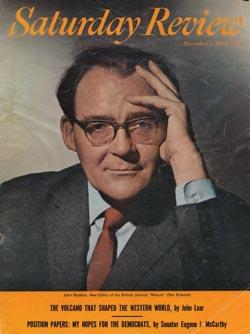
Established in 2012, the prize is a joint venture between the nonprofit Sense About Science and the scientific journal Nature. It is open to candidates in any discipline who have shown courage advocating for research and evidence. The prize pays tribute to Sir John Maddox, a trained physicist, writer and defender of science who was a former trustee of Sense About Science and was Nature editor for 22 years.
Nominees will be judged on how clearly they advanced the discussion of sound science and evidence, how effectively they placed the evidence in the wider debate and engaged with others, the level of influence of the debate and the nature of the challenges they faced. Candidates will be assessed by an international panel of judges with expertise in research, scholarly publishing and journalism.
Previous prize recipients include Patrick Ball, founder of the Human Rights Data Analysis Group; biochemist Eucharia Oluchi Nwaichi (2022); science integrity consultant Elizabeth Bik (2021); clinical fellow Mohammed Sharif Razai (2021); and government health advisers Anthony Fauci and Salim Karim (2020).
“Scientists like me are emboldened by this singular award to confront obstacles and ensure credible evidence is used to inform policies for sustainable development,” said Nwaichi.
Social and behavioral science researchers who have won include cognitive psychologist Elizabeth Loftus (2016) and psychiatrist Simon Wessely (2012).
The deadline to submit a nomination is April 30, 2025. A shortlist of finalists for the prize will be announced in September and the winners will be announced in November. There are no restrictions on who may nominate candidates; to nominate someone (including yourself) for the prize — and to give recognition to a qualified social scientist — visit the prize homepage.
Ed. – A version of this post first appeared in 2023.