

Could Distributed Peer Review Better Decide Grant Funding?
The landscape of academic grant funding is notoriously competitive and plagued by lengthy, bureaucratic processes, exacerbated by difficulties in finding willing reviewers. Distributed […]

A survey by Nature found that 52 percent of researchers believed there was a ‘significant reproducibility crisis’ and 38 percent said there was a ‘slight crisis.’ Here, three experts give their views on the issue.

Is Trump’s presidency part of a larger movement toward a solipsistic world? asks Peter Neal Peregrine. And if so, which solipsist gets to say what is fact and what is not? And where does that leave science?
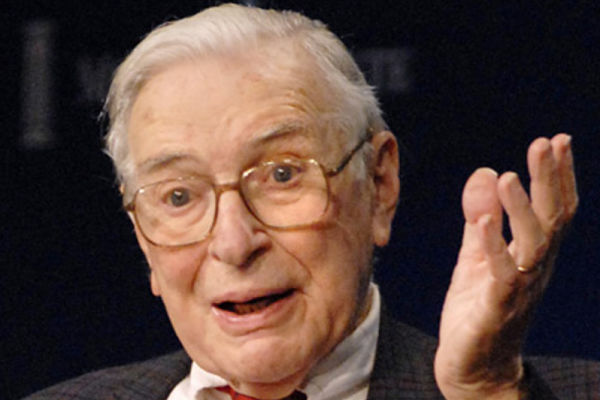
The late Stanford professor Kenneth Arrow was considered one of the most influential economists in history with monumental and lasting contributions to the field. His work included some explanation for why election results can turn out as they do, not always the way most voters would prefer.
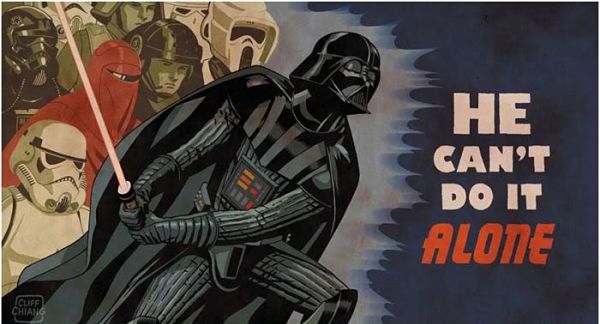
Governments around the world have found success using the burgeoning field of behavioral science to improve the efficiency of their policies and increase citizens’ well-being. We need clear guidelines on when and how to use behavioral science in policy.
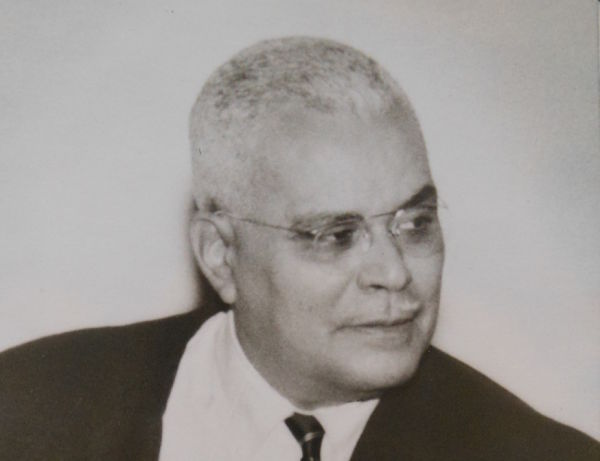
This Black History Month, remember the trailblazing work of an American anthropologist, Allison Davis, who both studied and was a victim of the nation’s entrenched racism.
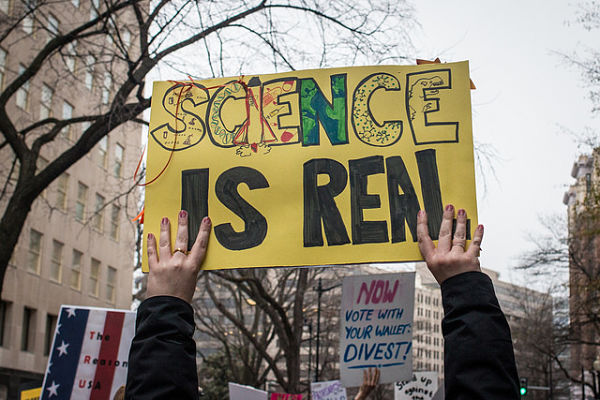
With science on the defensive for the time being, and the the fear of retribution palpable, the long-standing question of whether scientists should ever become advocates has come into sharper focus.
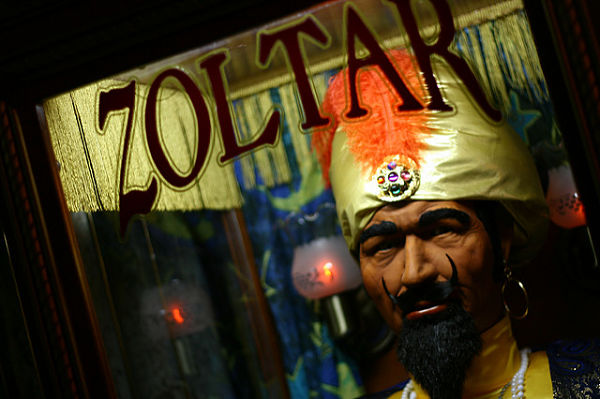
The value in economics lies not in some magical ability to divine the future. Tell that to the policymakers who expect their fortunes told.
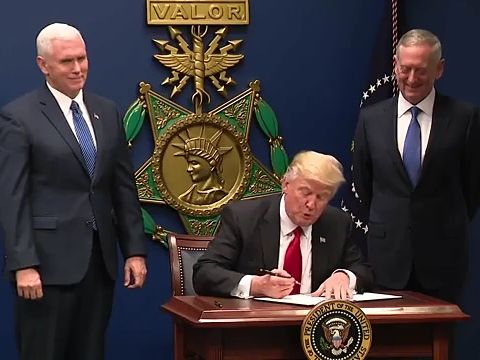
What might Donald Trump’s ban on immigration from seven countries mean for the U.S. role in international education? And will it undermine the use of international higher education as a soft power tool for the United States? A scholar of international education gives his view.


Jürgen Habermas, a globally known social theorist whose explorations of democracy, validity and communication have gained new prominence in the current moment, […] People often see science as a world apart: cool, rational and untouched by persuasion or performance. In this view, scientists simply discover […] “Research impact” means different things to different people. Some refer broadly to how science changes behaviors, beliefs, or practices outside academic institutions. […] David Canter considers informal places where people socialize, suggesting they’re an arena ChatGPT and other LLMs can’no’t replicate. As someone who lives […] It’s become cliche since Clive Humbly coined it in 2006, but data is indeed the new oil. It’s a mantra repeated by […] In September 2025, The Guardian reported about a lawyer in Australia having faced sanctions due to false citations. These citations were not […]
EXPLORE
Impact

Jürgen Habermas, 1929-2026: Exponent of the Public Sphere
READ MORE

Scientists Should Keep in Mind It’s Called the ‘Marketplace of Ideas’ for a Reason
READ MORE

Survey Finds Social Scientists Feel Unsupported in Seeking Societal Impact
READ MORE
Innovation

Reaching Parts to Which AI Has No Access
READ MORE

Andrea Medina-Smith on Making Research Data More FAIR
READ MORE

A Status Check on Hallucinated Case Law Incidents
READ MORE