



Could Distributed Peer Review Better Decide Grant Funding?
The landscape of academic grant funding is notoriously competitive and plagued by lengthy, bureaucratic processes, exacerbated by difficulties in finding willing reviewers. Distributed […]

The late Stanford professor Kenneth Arrow was considered one of the most influential economists in history with monumental and lasting contributions to the field. His work included some explanation for why election results can turn out as they do, not always the way most voters would prefer.

Governments around the world have found success using the burgeoning field of behavioral science to improve the efficiency of their policies and increase citizens’ well-being. We need clear guidelines on when and how to use behavioral science in policy.
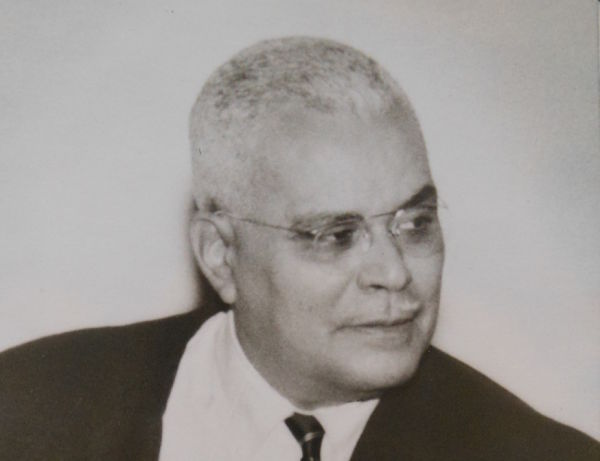
This Black History Month, remember the trailblazing work of an American anthropologist, Allison Davis, who both studied and was a victim of the nation’s entrenched racism.
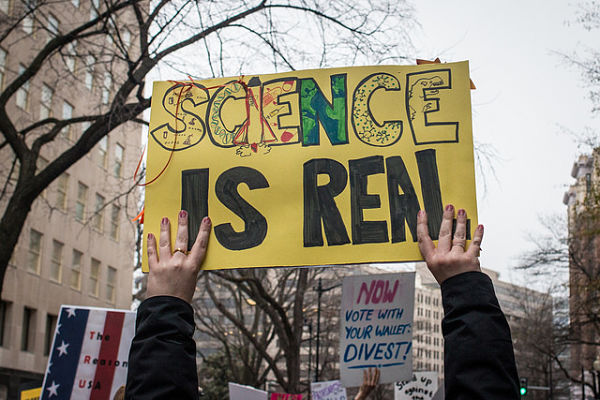
With science on the defensive for the time being, and the the fear of retribution palpable, the long-standing question of whether scientists should ever become advocates has come into sharper focus.

The value in economics lies not in some magical ability to divine the future. Tell that to the policymakers who expect their fortunes told.
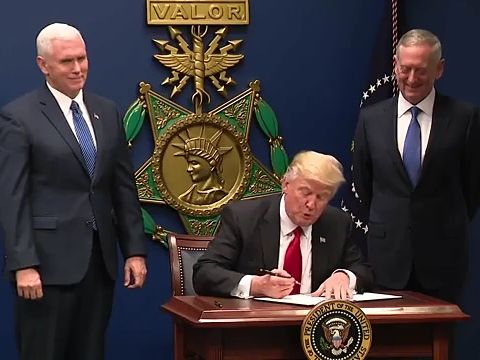
What might Donald Trump’s ban on immigration from seven countries mean for the U.S. role in international education? And will it undermine the use of international higher education as a soft power tool for the United States? A scholar of international education gives his view.

University librarian Jeffrey Beall used to write a blog that identified by name what he saw as predatory publishers of academic journals. Since he suddenly shut down the site earlier this month, will –or even should — someone else pick up the baton?

Several recent high-profile incidents suggest that the confidentiality promises routinely made by social scientists have little in the way of legal support.

The Royal Swedish Academy of Sciences has awarded this year’s Nobel Prize in Economic Sciences to the American economists Robert E. Hall […] Four Americans working in the social and behavioral sciences are among the 20 people named MacArthur Fellows this year. Recipients may be […] Euan Adie, the founder of Altmetric and later of Overton, discusses the reasons the led to Overton’s focus on showing researchers how […] The following is an adapted extract from The Cultural Industries, fifth edition, by David Hesmondhalgh. The increasing presence of information technology (IT) […] Developers of AI data centers have a public trust problem. According to multiple surveys, a majority of Americans say they would oppose […] I was adding some final flourishes on the topic of ‘iatrocracy’ to my forthcoming book with Natewindé Sawadogo – Sickness and Social […]
EXPLORE
Impact
Economic Peaks, Troughs and This Year’s Nobelists in Economics
READ MORE

Four From Social Science World Receive 2026 MacArthur Fellowships
READ MORE

Quick Insight: Euan Adie on Getting Academics Credit for Their Impact
READ MORE
Innovation

IT Giants and Their Operations: Should We Be Concerned?
READ MORE

What We Miss When We Study Public Trust with Surveys Alone
READ MORE

AI and ‘Iatrocracy’ – A Cautionary Tale
READ MORE












































































