

Could Distributed Peer Review Better Decide Grant Funding?
The landscape of academic grant funding is notoriously competitive and plagued by lengthy, bureaucratic processes, exacerbated by difficulties in finding willing reviewers. Distributed […]
The COVID-19 pandemic has brought the university sector under greater scrutiny. In some cases, this has prompted new conversations about the purpose […]
In the lead-up and first days of his administration, the new U.S. president has made – or been presented – several moves that support social and behavioral science, including creating the nation’s highest ever advisory position with a specifically social science portfolio.
The New Year Honours, a set of awards that is part of the British honors system and presented by the reigning monarch Queen Elizabeth II, recognizes the achievements of a wide range of extraordinary people across the United Kingdom.

When it comes to COVID-19, we’re all in it together. That statement, while obvious, is not always how people react. Why is […]
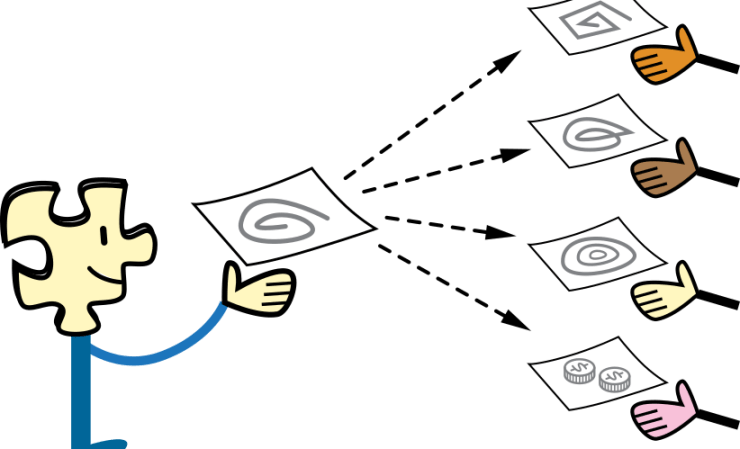
Sharing our findings beyond academia isn’t typically seen as part of our academic workload. This is problematic for academics who are already struggling to find time to do all the things their complex workload requires of them
The idea that ignorance is the outcome of a deficit of correct information is persistent. Daniel Williams argues that to understand how research and evidence are strongly resisted by certain groups, we need to reflect on how motivated ignorance is deeply embedded in our identities and social connections.
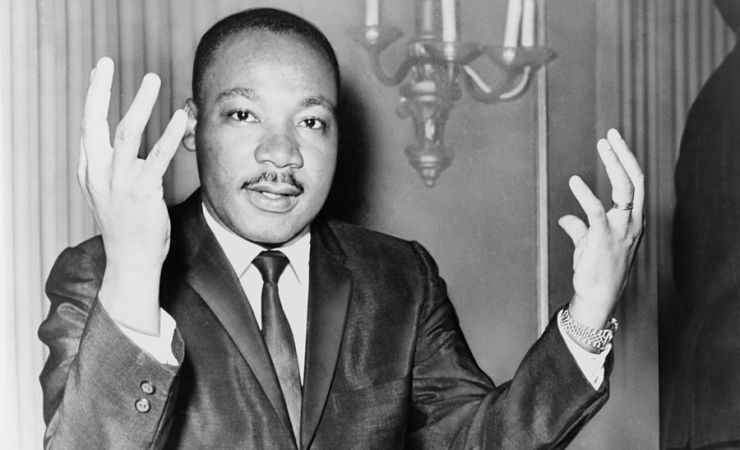
January 15, 1929, was the birthdate of Martin Luther King Jr. We take the opportunity of what would have been the civil rights leader’s birthday to recall his address before many of the leading American social and behavioral scientists of his day.
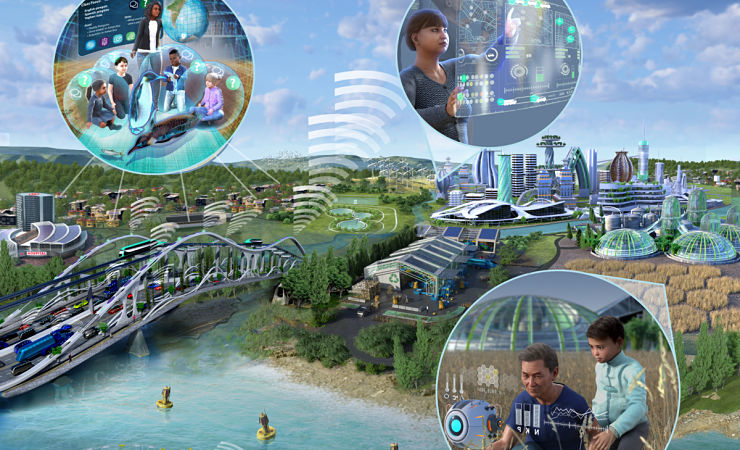
The NSF asked researchers across the social, behavioral and economic sciences are encouraged to submit proposals to the Future of Work at the Human-Technology Frontier: Core Research solicitation by March 23
People often see science as a world apart: cool, rational and untouched by persuasion or performance. In this view, scientists simply discover […] “Research impact” means different things to different people. Some refer broadly to how science changes behaviors, beliefs, or practices outside academic institutions. […] One researcher studies how war affects children, another took a literal worm’s eye view to examine rural development, while two others scrutinized […] David Canter considers informal places where people socialize, suggesting they’re an arena ChatGPT and other LLMs can’no’t replicate. As someone who lives […] It’s become cliche since Clive Humbly coined it in 2006, but data is indeed the new oil. It’s a mantra repeated by […] In September 2025, The Guardian reported about a lawyer in Australia having faced sanctions due to false citations. These citations were not […]
EXPLORE
Impact

Scientists Should Keep in Mind It’s Called the ‘Marketplace of Ideas’ for a Reason
READ MORE

Survey Finds Social Scientists Feel Unsupported in Seeking Societal Impact
READ MORE
Canada’s SSHRC Names 2025 Impact Winners
READ MORE
Innovation

Reaching Parts to Which AI Has No Access
READ MORE

Andrea Medina-Smith on Making Research Data More FAIR
READ MORE

A Status Check on Hallucinated Case Law Incidents
READ MORE