
Could Distributed Peer Review Better Decide Grant Funding?
The landscape of academic grant funding is notoriously competitive and plagued by lengthy, bureaucratic processes, exacerbated by difficulties in finding willing reviewers. Distributed […]

How has the COVID-19 pandemic impacted science research itself, but also how Americans view science in their daily lives? The Pew Research […]

Has the ongoing COVID-19 pandemic impacted how social and behavioral scientists view and conduct research? If so, how exactly? And what are […]
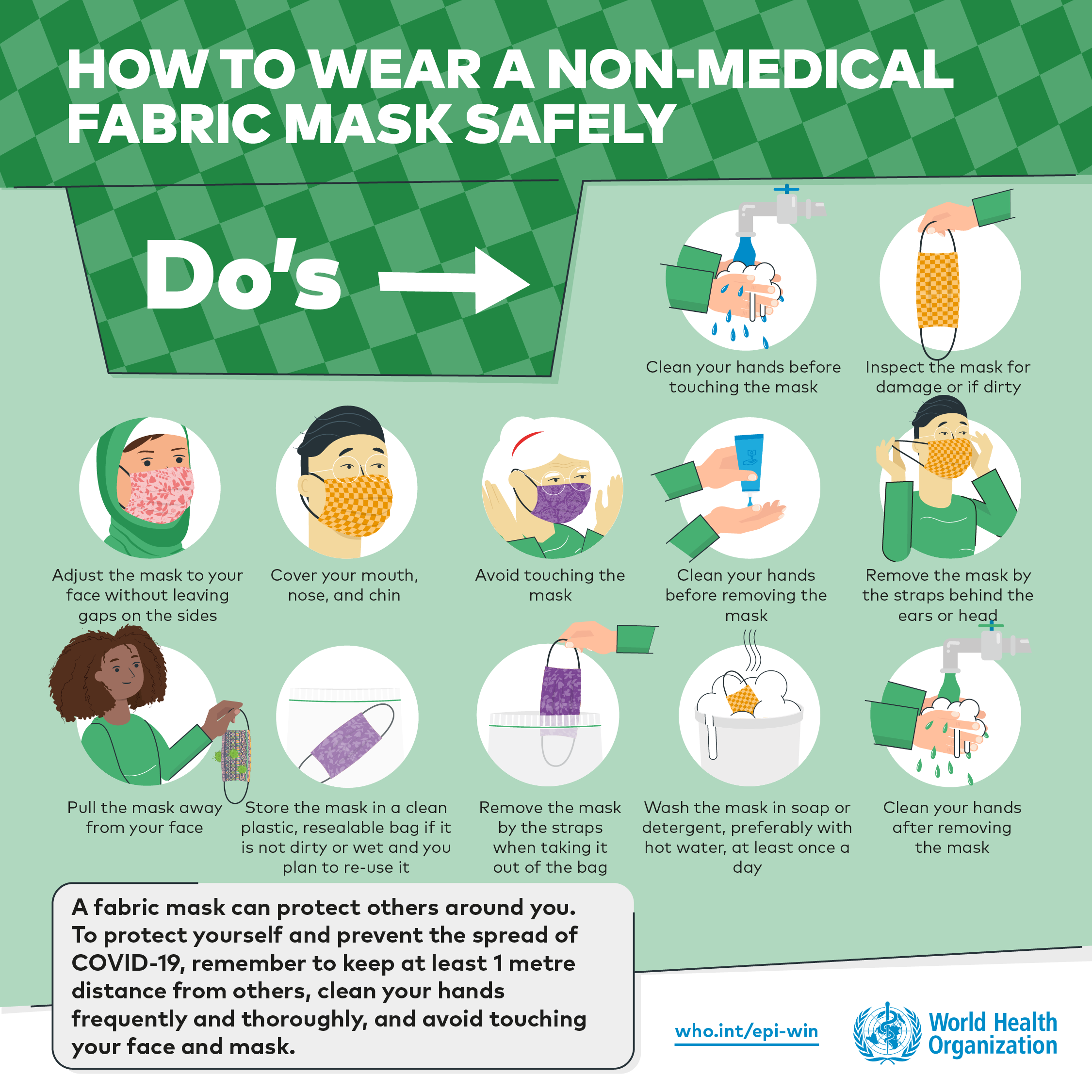
In a new initiative with an initial $20 million budget, the U.S. National Science Foundation is partnering with the Social Science Research Council to identify and support science research into public health guidance and its impact.

Professional bodies and industry leaders often suggest there’s a mismatch between the theoretical knowledge students acquire at university and the skills they […]
the authors’ research finds that, far from being immune to the conditions they treat in others, psychologists grapple with mental health difficulties or illnesses just as much as their patients do.

Sociologist David R. Williams will address “The Virus of Racism” for the National Institutes of Health’s Office of Behavioral and Social Sciences Research annual celebration of the legacy of Matilda White Riley.
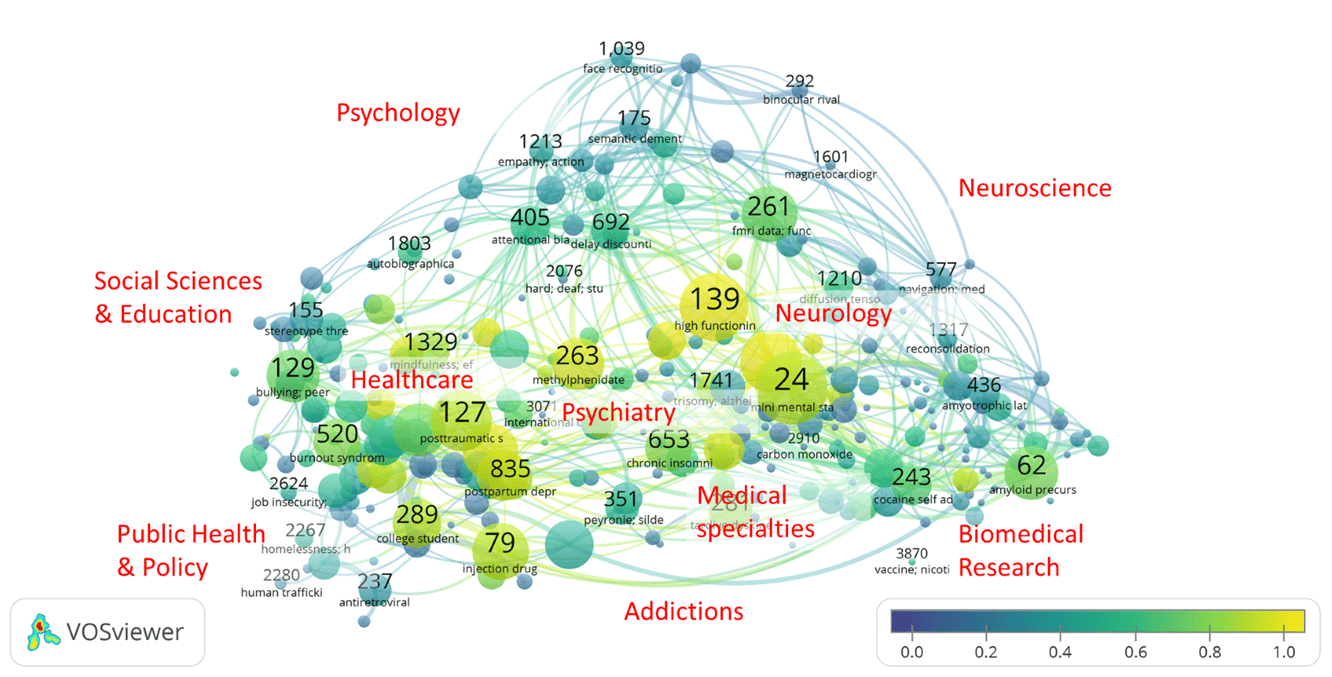
Wouter van de Klippe, Alfredo Yegros, Tim Willemse and Ismael Rafols discuss their mixed methods research into prioritization in mental health research, using expert focus groups and bibliometric data to explore how perceptions of where the field should be heading, differ from current research priorities and how different countries have developed different research priorities in this area.
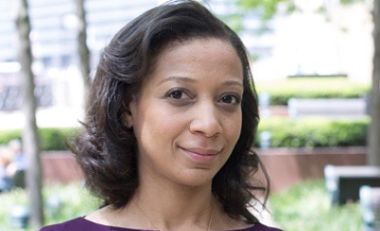
The problem with this myth of racial equality in the United States, argues Jennifer Richeson, is that is shapes what we see and how we perceive the actual state of racial inequality.
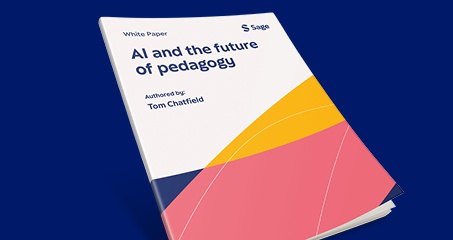
When people trust science, they can make better decisions, follow helpful rules and work together on big problems like health, climate change […] Do you know a social or behavioral science researcher whose work resonates across disciplines and which has made a significant impact in […] Please note: this contest has now closed. The winner will be contacted in due course. This November, Sage and Overton invite you to share the unexpected […] The latest generation of artificial intelligence models is sharper and smoother, producing polished text with fewer errors and hallucinations. As a philosophy […] In a new white paper by Tom Chatfield, the philosopher of tech and critical thinking outlines a practical roadmap for integrating artificial intelligence into […] Distance learning far precedes the digital age. Before online courses, people relied on print materials (and later radio and other technologies) to […]
EXPLORE
Impact

There Is a Cost to Being Honest About Science
READ MORE

Outstanding Social and Behavioral Scientists Sought for Sage-CASBS Award
READ MORE
Share Your Most Surprising Policy Citation for Chance to Win $500 [Closed]
READ MORE
Innovation

An AI Authorship Protocol Aims to Sharpen a Sometimes-Fuzzy Line
READ MORE

A Box Unlocked, Not A Box Ticked: Tom Chatfield on AI and Pedagogy
READ MORE

AI Gaming of Some Online Courses Threatens Their Credibility
READ MORE