 International Debate
 When Is a Terrorist Not a Terrorist?
A couple of years ago I wrote a blog challenging the way in which violent actions carried out by lone individuals are called ‘terrorist.’ This is such a knee-jerk reaction that it is now the case that when someone runs amok the police feel obliged to announce, in their formal way; “This not being regarded as a terrorist-related incident.” Think of it this way.
A man walks into a bank, waves a gun at the cashier and shouts, “In the name of Allah, give me the money!” Or to be more ecumenical. A woman walks into a bank and points a shot-gun at the cashier and says calmly, “You’re all capitalist pigs supporting a system that needs to be destroyed. Give me the money.” Because both of these hypothetical events seem to be driven by an ideology that wishes to undermine the status quo they would probably be designated as ‘terrorist related.’ But does that make sense? It may increase the potential legal sanctions on the perpetrator and increase the resources available to law enforcement, but does it help us understand the bank robbers any better, or provide a route into deradicalization?
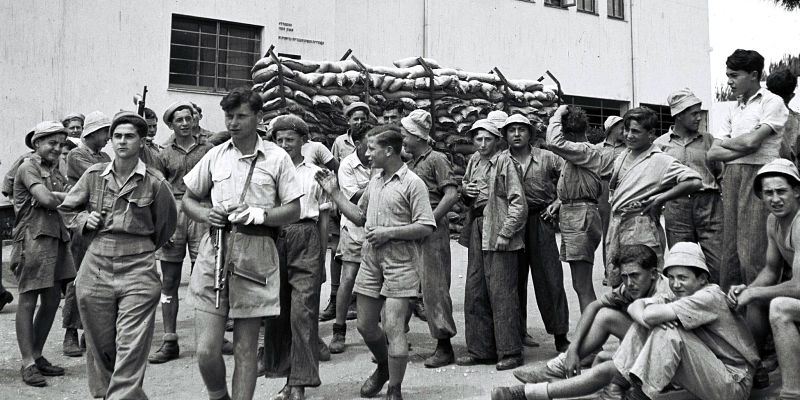
It’s helpful to revisit the concept of ‘terrorism.’ This is the mission to overturn existing political systems by instilling so much fear into the community that the consequent unrest will cause the breakdown of civil order and the opportunity for an emergent new order. Although I’m no historian, I can’t think of this ever being successful. Urban guerrillas, as they used to be called, underground/paramilitary armies have had some success. The Haganah and their compatriot military groups contributed to the British leaving Palestine and the establishment of the Jewish state. The IRA in Northern Ireland did help to give rise to a power sharing assembly, as fragile as that is. These and other quasi-military organisations may be today called terrorist, but their mission is to make the established government as uncomfortable as possible in its current role. It is not to terrorize society to the point of collapse.
Assigning the term ‘terrorist’ to lone individuals because it is believed they are driven by some subtle political ideology is therefore to confuse their actions with organised quasi-military groups who have specific targets. The Red Brigade in Italy, for example, tried to avoid killing ordinary citizens, as indeed did the Haganah. This is not the same as when Suddesh Amman recently ran amok with a knife in South London. Armed police had been following him because he had recently left prison after serving time for declaring ‘terrorist’ objectives. They shot him before he had time to kill anyone.
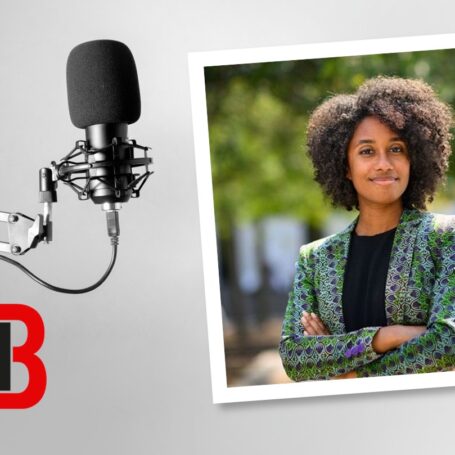
It is difficult to understand what Amman thought he would gain from his outrage, other than perhaps a day or two of international notoriety? As Aiman Dean, a former key figure in Al-Qaida, points out in his brave and insightful publications and podcasts, even those involved with that organization, which overtly espouses the objective of overthrowing Western democracies, frequently have no deep understand of Islam. He himself admits he did not realize that the bombs he made would kill innocent civilians. Like many others, he was seduced into the ranks of that vicious organisation by the feeling of significance it would give him.
That personal mission to achieve something came through in the interviews I oversaw of people convicted of terrorist crimes in India. In most cases the purported ideology was only vaguely understood by these violent men. They certainly had no idea of the likely consequences of their actions.
This understanding of the psychology, rather than the ideology, of terrorism, is beneficial to processes for nursing people out of the context and identification that led them into being labelled a ‘terrorist.’ By giving them feelings of self-worth and recognition within a social group which gains its respect from contributing to society, they can be weaned of the psychological support given by seeing themselves as a terrorist. The first step in doing this is not to claim that their acts are ‘terrorist-related.’