
Could Distributed Peer Review Better Decide Grant Funding?
The landscape of academic grant funding is notoriously competitive and plagued by lengthy, bureaucratic processes, exacerbated by difficulties in finding willing reviewers. Distributed […]


SAGE Publishing surveyed social scientists around the world to learn more about who engages in research using ‘big data,’ and what challenges they face as well as the barriers facing those who are interested in conducting computational social science going forward.
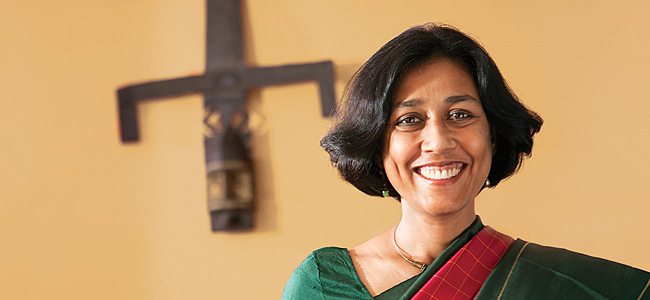
UPDATE: Two Indian social scientists are among 10 people charged with murder in an Indian state wracked by an ongoing insurgency by Maoist rebels that the academics were actively studying. Almost 200 Indian sociologists are protesting the arrest.
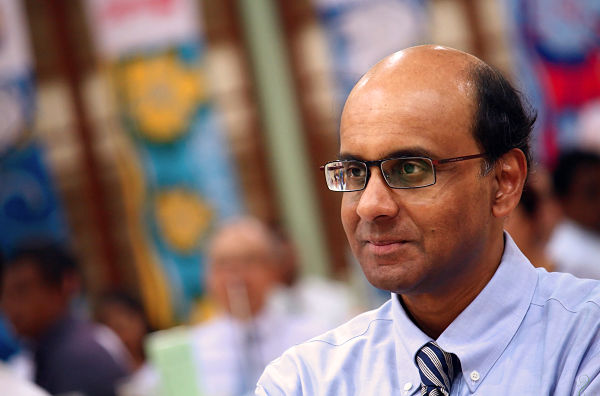
After launching the Singapore Social Science Research Council in January, the country’s Ministry of Education is backing that up with a serious infusion of cash.
Social scientists have been as focused on the American presidential election as intently as all Americans and big proportion on the world at large. And as that impulse rippled through academe, Social Science Space was there to examine some of the wavelets lapping at social science’s shore.
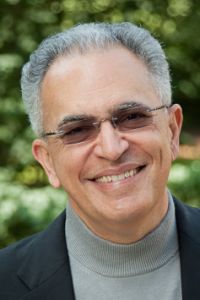
President Obama intends to name four new members to the 25-member National Science Board, including social scientist Emilio F. Moran, the White […]
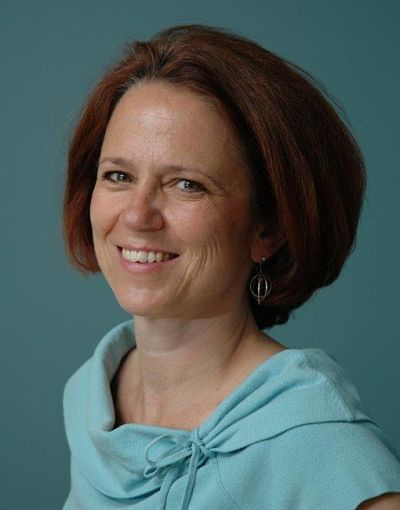
Mary Ellen O’Connell has been appointed as the executive director of the Division of Behavioral and Social Sciences and Education, or DBASSE, […]
A special issue of the Journal of Psychoeducational Assessment takes a comprehensive look at the history of measuring perfectionism and the strides being made in developing better ways to assess striving for excellence and its pernicious cousin, striving for perfection..
‘Are digital technologies making politics impossible?’ The inaugural Nine Dots Prize offers $100,000 for the best response as judged by leading international thinkers including Diane Coyle, Simon Goldhill, David Runciman and Saskia Sassen
Jürgen Habermas, a globally known social theorist whose explorations of democracy, validity and communication have gained new prominence in the current moment, […] People often see science as a world apart: cool, rational and untouched by persuasion or performance. In this view, scientists simply discover […] “Research impact” means different things to different people. Some refer broadly to how science changes behaviors, beliefs, or practices outside academic institutions. […] David Canter considers informal places where people socialize, suggesting they’re an arena ChatGPT and other LLMs can’no’t replicate. As someone who lives […] It’s become cliche since Clive Humbly coined it in 2006, but data is indeed the new oil. It’s a mantra repeated by […] In September 2025, The Guardian reported about a lawyer in Australia having faced sanctions due to false citations. These citations were not […]
EXPLORE
Impact

Jürgen Habermas, 1929-2026: Exponent of the Public Sphere
READ MORE

Scientists Should Keep in Mind It’s Called the ‘Marketplace of Ideas’ for a Reason
READ MORE

Survey Finds Social Scientists Feel Unsupported in Seeking Societal Impact
READ MORE
Innovation

Reaching Parts to Which AI Has No Access
READ MORE

Andrea Medina-Smith on Making Research Data More FAIR
READ MORE

A Status Check on Hallucinated Case Law Incidents
READ MORE