


Could Distributed Peer Review Better Decide Grant Funding?
The landscape of academic grant funding is notoriously competitive and plagued by lengthy, bureaucratic processes, exacerbated by difficulties in finding willing reviewers. Distributed […]
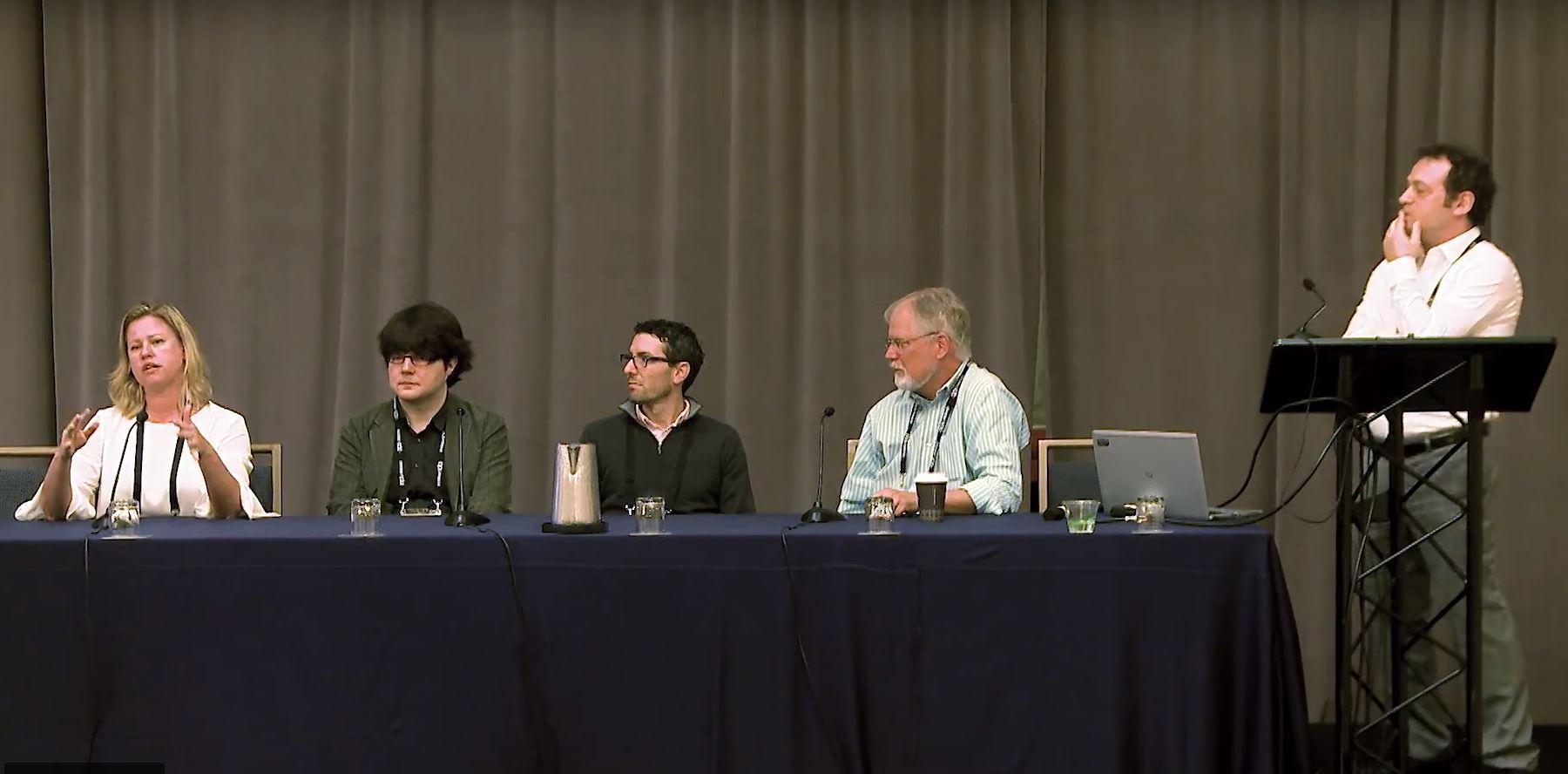
What exactly does the tech industry want from social and behavioral scientists? That was the focus of a SAGE Publishing-sponsored panel at the annual meeting of the Association for Psychological Science In San Francisco this summer. Panelists were four representatives from tech, ranging from big players like Google to startups like Jaunt.
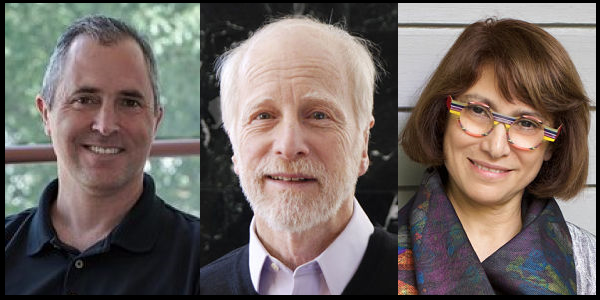
U.S. government-funded research that on its face looked only at fame, names and gender turned out to be pioneering work into implicit bias. This year a Golden Goose Award went to three researchers who developed the concept of implicit bias and then made a huge impact on popular culture by giving the world a test to measure it.
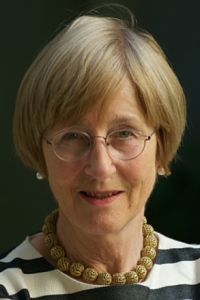
The British Academy is honoring political journalists Zeinab Badawi and Dame Frances Cairncross among a number of individuals awarded for their services to the humanities and social sciences.
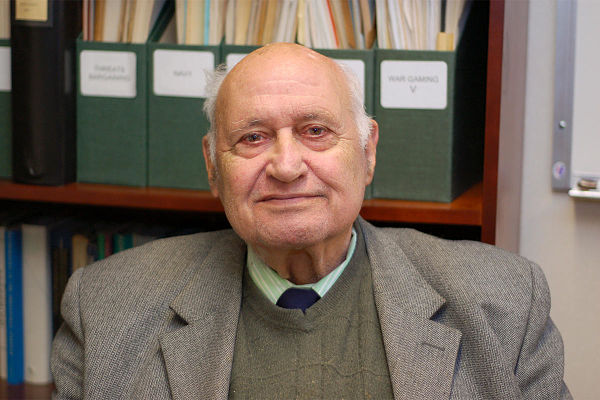
Martin Shubik, an economist, game theorist and political scientist whose sense of persepctive, and of humor, infused his voluminous work on complex and vexing questions, has died at age 92. He died August 22 at his home in Branford, Connecticut; Shubik had been on the faculty at nearby Yale University since 1963.
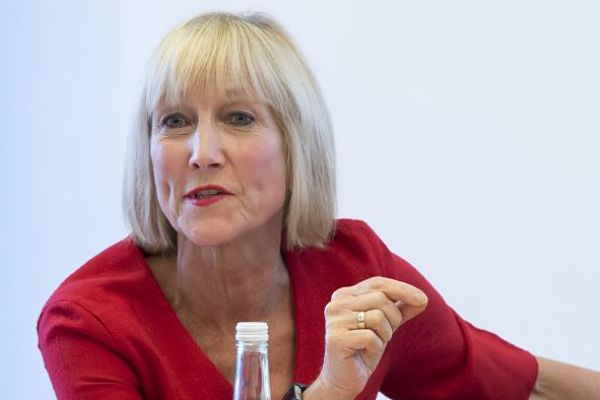
One thing has become clear to sociologist Diane Reay across her research – “It’s primarily working-class children who turn out to be losers in the educational system.” Whether it’s through the worst-funded schools, least-qualified teachers, most-temporary teaching arrangements or narrowest curricula, students from working class backgrounds in the United Kingdom (and the United States) draw the shortest educational straws.
The Social Science Research Council’s Social Data Initiative, which aims to provide the social science research community with secure, reliable access to proprietary social media data, is seeking the first requests for proposals for its Social Media and Democracy Research Grants competition in collaboration with Social Science One.
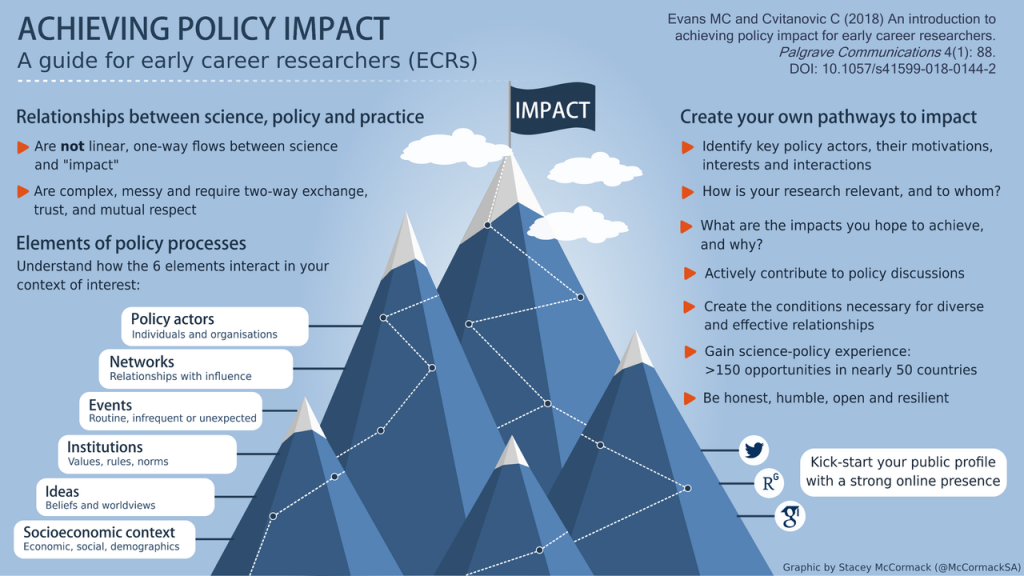
For many early-career researchers, the practicalities of how to successfully influence policy processes can be elusive, causing problems. Megan Evans and Chris Cvitanovic provide some practical tips and suggestions that can help to empower ECRs to create their own pathways to impact that best suit their individual goals, circumstances, interests, and strengths.
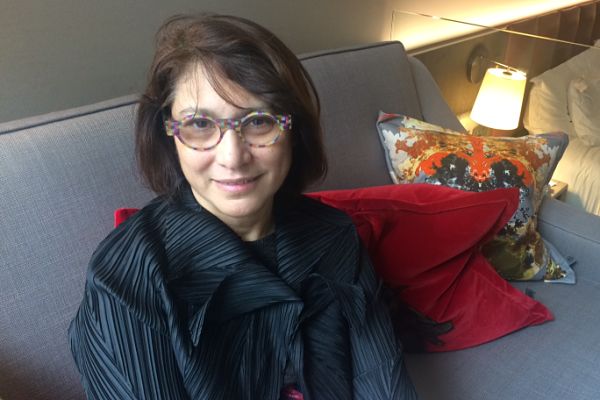
“The brain is an association-seeking machine,” Harvard social psychologist Mahzarin R. Banaji tells interviewer David Edmonds in this Social Science Bites podcast. “It puts things together that repeatedly get paired in our experience. Implicit bias is just another word for capturing what those are when they concern social groups.


Jürgen Habermas, a globally known social theorist whose explorations of democracy, validity and communication have gained new prominence in the current moment, […] People often see science as a world apart: cool, rational and untouched by persuasion or performance. In this view, scientists simply discover […] “Research impact” means different things to different people. Some refer broadly to how science changes behaviors, beliefs, or practices outside academic institutions. […] David Canter considers informal places where people socialize, suggesting they’re an arena ChatGPT and other LLMs can’no’t replicate. As someone who lives […] It’s become cliche since Clive Humbly coined it in 2006, but data is indeed the new oil. It’s a mantra repeated by […] In September 2025, The Guardian reported about a lawyer in Australia having faced sanctions due to false citations. These citations were not […]
EXPLORE
Impact

Jürgen Habermas, 1929-2026: Exponent of the Public Sphere
READ MORE

Scientists Should Keep in Mind It’s Called the ‘Marketplace of Ideas’ for a Reason
READ MORE

Survey Finds Social Scientists Feel Unsupported in Seeking Societal Impact
READ MORE
Innovation

Reaching Parts to Which AI Has No Access
READ MORE

Andrea Medina-Smith on Making Research Data More FAIR
READ MORE

A Status Check on Hallucinated Case Law Incidents
READ MORE